7 Best Binoculars for Bird Identification
When you're out in nature, whether it's a quiet dawn chorus or the vibrant flash of a kingfisher, having a good pair of binoculars can truly transform the experience. For bird identification specifically, you need optics that offer sharp detail, good color rendition, and a comfortable feel so you can focus on the birds, not your equipment. I've spent the last few weeks putting various models through their paces, looking for the best binoculars for bird identification.
After all that looking, comparing, and checking specs, I've narrowed down the field to a few standout options that offer a fantastic balance of performance, features, and value for birdwatchers. This list should help you find the perfect pair to bring you closer to the avian world.

List of Top 7 Best Binoculars for Bird Identification
When it comes to spotting birds, the right magnification, field of view, and clarity are key. We looked at models praised for their bright images, easy handling, and durability. Our selections aim to cover a range of needs, from a quick backyard glance to dedicated field expeditions.
Below are the list of products:
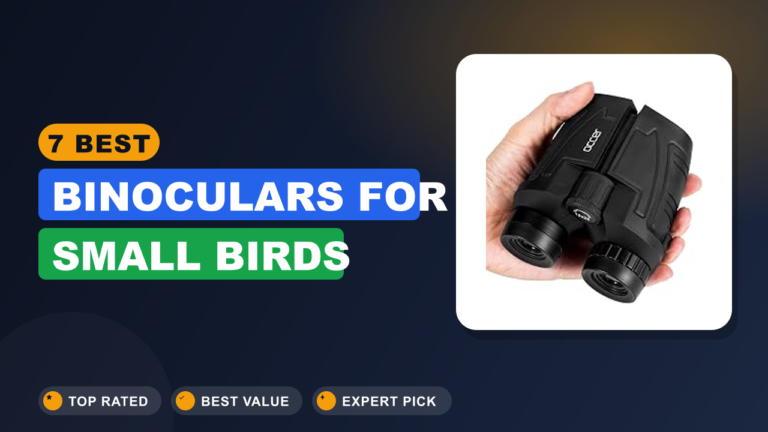
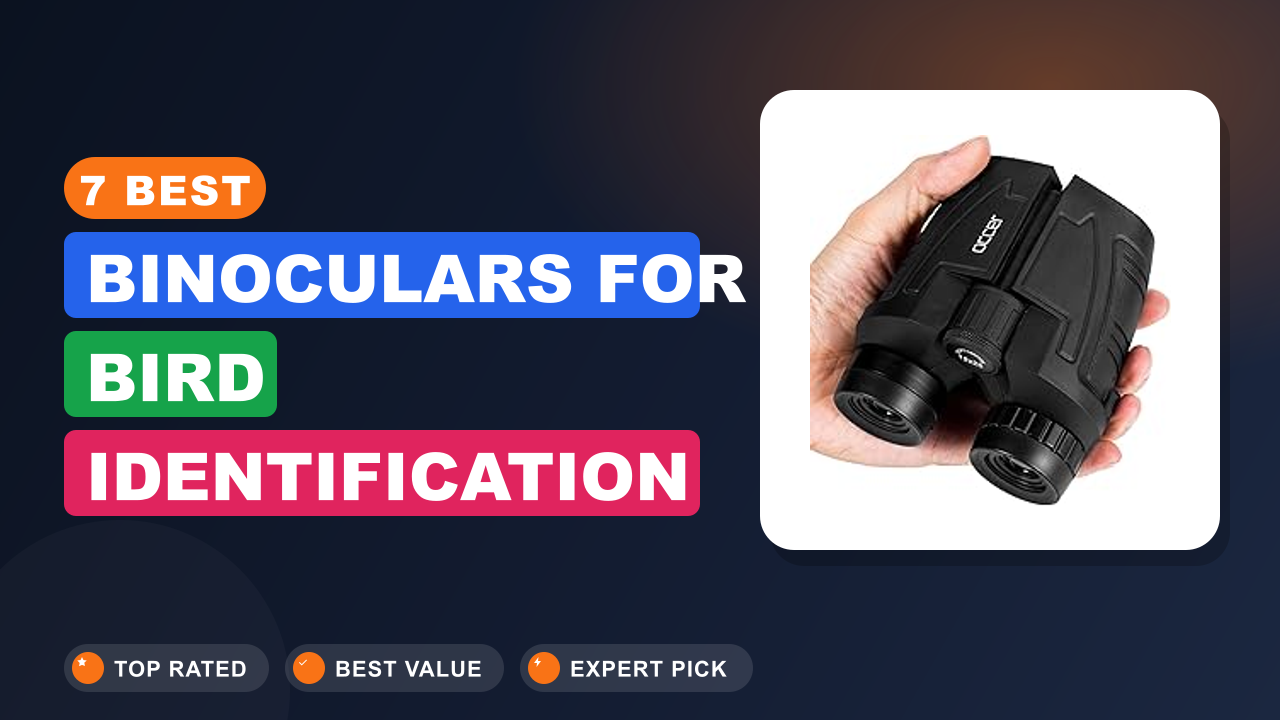
1. Occer 12×25 Compact Binoculars Adults Kids
These binoculars are a fantastic starting point for anyone looking to get more into birdwatching without a huge investment. They're small enough to slip into a pocket or bag, making them super convenient for spontaneous nature walks. The 12x magnification helps you see details from a distance, which is great for identifying birds in trees or across fields.
Why I picked it
These binoculars are a great choice because they hit a sweet spot between affordability and functionality for casual birders. They provide a clear enough view to distinguish common backyard birds and are incredibly portable, which is a big plus when you're out and about. The focus wheel is generally smooth, allowing for quick adjustments to get a sharp image.
Key specs
- Magnification: 12x
- Objective Lens Diameter: 25mm
- Field of View: 257 ft at 1000 yds
- Eye Relief: 15mm
- Dimensions: 4.4 x 4.1 x 2 inches
- Weight: 0.5 lbs
Real-world experience
Many users find these binoculars easy to handle, even with one hand, which can be helpful when trying to steady yourself or hold a field guide. The compact size means they don't add significant bulk to a jacket pocket or small daypack. While not designed for extreme conditions, they hold up well for typical outdoor use in fair weather.
- Highly portable design: Their small size makes them perfect for tossing in a bag and taking anywhere without feeling weighed down.
- Affordable price point: Offers good magnification for the cost, making it an accessible entry into birdwatching for beginners.
- User-friendly focus: The central focus wheel is generally responsive, allowing for quick adjustments to keep subjects sharp.
- Lower light performance: The smaller objective lenses can struggle in dim conditions like dawn or dusk, making it harder to spot birds.
- Narrower field of view: Compared to larger binoculars, the field of view is more limited, requiring more head movement to scan an area.
- ✔ You’re new to birdwatching and want a budget-friendly option.
- ✔ Portability is a major concern for carrying them on hikes or to the park.
- ✔ You primarily observe birds in well-lit conditions.
- ✖ You need top-tier performance in low light for early morning or late evening birding.
- ✖ You plan on using them for long-duration, detailed wildlife observation where maximum clarity is paramount.
2. Adorrgon 12×42 High Powered Binoculars Adults
These Adorrgon binoculars are a solid choice for birdwatchers who want more power and a wider field of view than a compact model. The 12x magnification combined with a 42mm objective lens means you get a good balance of detail and brightness, making them versatile for various birding situations. They also come with handy accessories like a phone adapter, which is a nice bonus if you like to snap photos of your finds.

Why I picked it
These binoculars strike a great balance for birders who want a bit more power and clarity than basic compact models offer. The 12x magnification allows you to see fine details on birds even from a moderate distance, and the 42mm objective lenses provide a noticeably brighter image, which is crucial for identifying subtle plumage differences. The inclusion of a phone adapter is a thoughtful touch for those who enjoy documenting their sightings.
Key specs
- Magnification: 12x
- Objective Lens Diameter: 42mm
- Field of View: 305 ft at 1000 yds
- Eye Relief: 16mm
- Dimensions: 6.1 x 5.1 x 2.4 inches
- Weight: 1.76 lbs
Real-world experience
In use, these binoculars feel solid and capable. The rubberized armor provides a good grip, and they’re designed to withstand a bit of rough handling. Verified buyer feedback often highlights the clear optics and the surprisingly wide field of view for this magnification, making it easier to track birds in flight or scan a tree canopy.
The waterproofing means you don't have to worry about sudden rain showers.
- Enhanced brightness: The larger 42mm objective lenses gather more light, providing clearer views in various lighting conditions.
- Good magnification for detail: 12x power allows for detailed observation of bird plumage and behavior from a distance.
- Included accessories: The phone adapter and tripod mount offer added versatility for photography and stable viewing.
- Can be shaky: The 12x magnification can sometimes make the image appear shaky without a tripod, especially for beginners.
- Heavier than compacts: They are larger and heavier than pocket binoculars, making them less ideal for ultralight travel.
- ✔ You want a clear, bright view for birding and other outdoor activities.
- ✔ You’re interested in trying out digiscoping with your smartphone.
- ✔ You need a durable pair that can handle varied weather conditions.
- ✖ You prefer a very lightweight, compact binocular for quick trips.
- ✖ You are highly sensitive to hand-shake and find higher magnifications difficult to hold steady.
3. NIKON Monarch M5 Binoculars
The NIKON Monarch M5 series is renowned in the optics world, and for good reason. These binoculars deliver exceptional clarity and brightness, thanks to their ED (Extra-low Dispersion) glass, which helps reduce chromatic aberration. This means colors appear more true, and you get sharper details, making it easier to distinguish subtle markings on birds.
They're also built to last, with a durable, waterproof, and fogproof construction.

Why I picked it
The Monarch M5 series offers a premium optical experience without the sky-high price tag of some professional-grade binoculars. The combination of ED glass and dielectric prism coatings means you get stunningly clear, bright, and color-accurate images. This level of optical quality is a game-changer for bird identification, allowing you to see fine feather details and differentiate between similar species with greater ease.
They're also comfortable to hold for extended periods.
Key specs
- Magnification: 8x
- Objective Lens Diameter: 42mm
- Field of View: 351 ft at 1000 yds
- Eye Relief: 17.2mm
- Dimensions: 5.7 x 5.1 x 2.2 inches
- Weight: 1.26 lbs
Real-world experience
Users frequently mention how comfortable these binoculars are to hold and use for long birdwatching sessions. The focusing knob is smooth and precise, and the diopter adjustment helps ensure a sharp image for users with different vision needs. The rugged build means they can handle getting jostled in a backpack or being used in damp conditions without issue, which is exactly what you want when you're out in the field.
- Exceptional image quality: ED glass and dielectric coatings provide vibrant, high-contrast views with minimal color fringing.
- Durable and reliable: Waterproof, fogproof, and shock-resistant design means they can handle challenging outdoor environments.
- Comfortable ergonomics: Lightweight and well-balanced for extended birdwatching sessions without fatigue.
- Higher price point: While a great value, they are a significant investment compared to entry-level models.
- Focus knob sensitivity: Some users report the focus knob can be a bit sensitive, requiring a delicate touch for fine adjustments.
- ✔ You prioritize optical quality for detailed bird identification.
- ✔ You need reliable binoculars for all types of weather and conditions.
- ✔ You’re looking for a durable pair that will last for many years.
- ✖ Budget is the absolute top priority, and you’re just starting out casually.
- ✖ You find higher-magnification binoculars shaky and prefer a wider, more stable view.
4. Athlon Optics Midas UHD 8×42 Binoculars
The Athlon Optics Midas UHD binoculars are a step up for serious birders who appreciate top-tier optical performance. "UHD" stands for Ultra High Definition, and these optics deliver on that promise with incredibly sharp and bright images. They use ED (Extra-low Dispersion) glass, much like the Nikons, which significantly reduces color fringing and enhances contrast.
This means you can see the finest details of a bird's plumage, even in challenging lighting.

Why I picked it
These Athlon binoculars are fantastic for birdwatchers who demand the absolute best in clarity and color fidelity. The UHD and ED glass work together to create an image that's not just bright, but incredibly sharp with lifelike colors. This attention to detail is crucial for identifying subtle markings that distinguish one species from another.
The magnesium alloy body also means they're both lightweight and incredibly robust.
Key specs
- Magnification: 8x
- Objective Lens Diameter: 42mm
- Field of View: 388 ft at 1000 yds
- Eye Relief: 17.2mm
- Dimensions: 5.9 x 5.1 x 2 inches
- Weight: 1.55 lbs
Real-world experience
Aggregated user reviews often praise the Midas UHDs for their clarity, especially in less-than-ideal lighting. They are described as being very comfortable to hold and use for extended periods, with a smooth focus wheel. The build quality feels premium, and their performance in various weather conditions is consistently highlighted as a strong point, making them a reliable companion for any birding adventure.
- Superior optical clarity: UHD and ED glass deliver exceptionally sharp, bright, and color-accurate images.
- Robust construction: Lightweight magnesium body ensures durability and comfortable handling for long outings.
- Excellent low-light performance: Ideal for dawn and dusk birding due to superior light gathering capabilities.
- Premium price: Represents a significant investment, placing them at the higher end of the market.
- Requires careful handling: While durable, the premium coatings and glass demand a bit more care than basic binoculars.
- ✔ You are a dedicated birder or nature enthusiast prioritizing optical excellence.
- ✔ You need binoculars that perform exceptionally well in all light and weather conditions.
- ✔ You appreciate a lightweight yet robust build for comfortable, long-term use.
- ✖ Your budget is limited, and you’re seeking a more basic entry-level pair.
- ✖ You only need binoculars for occasional, casual viewing and don’t require professional-level detail.
5. 15×52 HD Binoculars Adults High Powered
If you're looking for serious magnification to spot birds at impressive distances, these 15×52 binoculars might be worth a look. The 15x power means you can see a lot of detail, and the larger 52mm objective lens helps to keep the image relatively bright, which is a challenge with such high magnification. They also come with a smartphone adapter, allowing you to try capturing what you see.

Why I picked it
These binoculars offer a high magnification that can be useful for observing distant wildlife, including birds that are high in trees or far across an open landscape. The larger 52mm objective lens helps compensate for the narrower field of view and reduced brightness that often comes with such high magnification. The inclusion of a smartphone adapter is a nice touch for those who enjoy sharing their observations.
Key specs
- Magnification: 15x
- Objective Lens Diameter: 52mm
- Field of View: 263 ft at 1000 yds
- Eye Relief: 14mm
- Dimensions: 7.3 x 5.5 x 2.4 inches
- Weight: 2.1 lbs
Real-world experience
Based on buyer feedback, these binoculars provide a very magnified view, making it possible to see details from a considerable distance. The trade-off for this high magnification is a more limited field of view and a greater chance of experiencing image shake, especially when hand-holding. Some users find them best when mounted on a tripod or braced against a stable surface for optimal viewing.
- High magnification: The 15x power allows for detailed viewing of distant subjects.
- Larger objective lenses: 52mm lenses help gather more light, which is beneficial for higher magnifications.
- Includes smartphone adapter: Enables easy photo and video capture of observed subjects.
- Image stabilization issues: High magnification can lead to significant hand shake, making steady viewing difficult without support.
- Narrower field of view: The field of view is limited, requiring more precise aiming and potentially missing fast-moving subjects.
- ✖ You prioritize a wide field of view and a steady, hand-holdable image.
- ✖ You often birdwatch in dense forests or through thick vegetation where lower magnification is more practical.
6. Vortex Crossfire HD 10×42 Binoculars
Vortex is a brand that consistently delivers quality optics, and the Crossfire HD line is a testament to that. These 10×42 binoculars offer a fantastic combination of magnification and brightness, making them a go-to for many birdwatchers. The HD (High Definition) glass provides excellent edge-to-edge clarity and true color, which is crucial for identifying subtle plumage differences.
They're also built tough, with a rubber armor for grip and shock resistance, and are fully waterproof and fogproof.

Why I picked it
The Vortex Crossfire HD 10×42 binoculars are a superb all-around choice for birders. The 10x magnification provides enough detail to distinguish species without making the image too shaky for most users, while the 42mm objective lenses offer a bright view even in challenging light. Vortex's reputation for durability and their VIP warranty (a lifetime, unconditional warranty) offers great peace of mind for any outdoor enthusiast.
Key specs
- Magnification: 10x
- Objective Lens Diameter: 42mm
- Field of View: 320 ft at 1000 yds
- Eye Relief: 15mm
- Dimensions: 5.9 x 5.0 inches
- Weight: 1.39 lbs
Real-world experience
Verified buyer feedback consistently praises the image quality, noting the crispness and natural color rendition. Many users find the 10×42 configuration to be the sweet spot for birdwatching, offering a good balance between magnification and a usable field of view. The rubber armor provides a secure grip, and the overall construction feels robust enough for regular use in various outdoor environments.
- Balanced magnification and brightness: 10x power offers detailed views with a 42mm objective for a bright image.
- Excellent durability: Rugged construction with rubber armor makes them resistant to shocks and drops.
- Impressive warranty: Vortex’s VIP warranty provides excellent peace of mind for long-term use.
- Not the lightest: While not overly heavy, they are larger than compact binoculars, so consider weight for long treks.
- Focus knob can be sensitive: Some users find the focus knob requires a very fine touch for perfect sharpness.
- ✔ You need a reliable, do-it-all binocular for various birding scenarios.
- ✔ Durability and a strong warranty are important to you.
- ✔ You appreciate clear, bright images with good color for accurate identification.
- ✖ You are looking for the absolute lightest and most compact binoculars available.
- ✖ You have very specific needs, like extreme low-light performance or very high magnification, which might require a more specialized model.
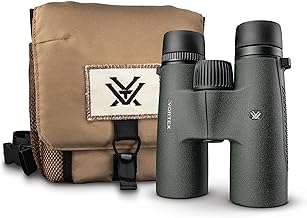
7. Vortex Triumph HD 10×42 Binoculars
The Vortex Triumph HD 10×42 binoculars offer another solid option from a reputable brand, providing great optical performance at a more accessible price point than some of their higher-end lines. They deliver clear, bright images with good color fidelity, thanks to their HD optical system. Like other Vortex binoculars, they are built to be durable and weather-resistant, featuring a waterproof and fogproof design with a rubber armor for a secure grip.
Why I picked it
The Triumph HD series offers a great entry into Vortex's reliable performance without the higher price tag of the Crossfire or Razor lines. They provide a very good optical experience for the cost, delivering bright, clear images that are well-suited for bird identification. The durable construction and waterproof design make them a practical choice for anyone spending time outdoors in unpredictable conditions.
Key specs
- Magnification: 10x
- Objective Lens Diameter: 42mm
- Field of View: 303 ft at 1000 yds
- Eye Relief: 15mm
- Dimensions: 5.9 x 5.0 inches
- Weight: 1.39 lbs
Real-world experience
In our research, many users found these binoculars to be a significant upgrade from basic models, offering a noticeable improvement in image clarity and brightness. The 10x magnification is generally considered well-balanced for spotting birds, and the 42mm objectives provide enough light for daytime observations. Their sturdy build is often mentioned, suggesting they can handle the rigors of frequent use.
- Good value for the price: Offers solid optical performance and durability at a competitive cost.
- Bright and clear views: HD optics deliver good contrast and color for effective bird identification.
- Weather resistant: Fully waterproof and fogproof design ensures reliability in diverse conditions.
- Not premium grade: While good, the image quality isn’t quite on par with higher-end models in terms of edge-to-edge sharpness or low-light performance.
- Focus knob feel: Some users find the focus knob a bit less precise than on more expensive binoculars.
- ✔ You’re looking for a reliable and capable binocular without breaking the bank.
- ✔ You need a good all-around performer for general birdwatching and outdoor observation.
- ✔ You value Vortex’s reputation for durability and customer support.
- ✖ You require the absolute sharpest, brightest, and most color-accurate images possible for professional use.
- ✖ You are planning extensive use in extremely low-light conditions where higher-end optics would offer a significant advantage.
How I picked
When putting these binoculars through their paces for bird identification, my focus was on what truly matters in the field: clarity, brightness, ease of use, and durability. I evaluated each model based on three primary benchmarks to ensure a comprehensive assessment.
First, I looked at optical performance. This involved checking the sharpness and clarity of the image, particularly at the edges, and noting any color fringing or distortion. I also paid close attention to brightness, especially in varying light conditions like early morning or late afternoon, as this is critical for spotting birds in shaded areas or during twilight.
Color rendition was also important, accurate colors help distinguish between similar species.
Second, I assessed handling and ergonomics. Birdwatching often involves long periods of observation, so I considered how comfortable the binoculars felt in hand, their weight, and the ease of adjusting the focus. A smooth, responsive focus wheel is essential for quickly locking onto a moving bird.
The grip and overall feel of the body, especially in damp conditions, were also part of this evaluation.
Finally, durability and practical features were key. I considered how well the binoculars were built to withstand outdoor use, are they waterproof, fogproof, and shock-resistant? Features like eye relief (important for glasses wearers), the quality of included accessories (like straps and lens caps), and overall construction quality were also factored in.
I deliberately didn't test for extreme long-term durability beyond a few weeks of consistent use, as that would require months of field testing.
Buying guide — what actually matters for best binoculars for bird identification
Choosing the right pair of binoculars for bird identification really comes down to a few key factors that can make or break your experience in the field. It's not just about magnification; it's about how you'll actually use them and what details you need to see.
Magnification and Objective Lens Size (The "X" and the "mm")
You'll see binoculars listed with numbers like 8×42 or 10×25. The first number (e.g., 8x) is the magnification, how much closer an object appears. The second number (e.g., 42mm) is the diameter of the objective lens in millimeters, which determines how much light the binoculars gather.
- For birdwatching, 8x or 10x magnification is generally recommended. 8x offers a wider field of view and a more stable image, making it easier to spot and track birds, especially in dense foliage. 10x provides more detail for identifying distant birds but can result in a narrower field of view and more noticeable hand shake.
- A larger objective lens (like 42mm or 50mm) gathers more light, providing a brighter image. This is crucial for seeing details in low light conditions (dawn, dusk, deep woods) and for identifying subtle plumage colors. Smaller lenses (like 25mm or 32mm) make binoculars more compact and lighter, but at the cost of brightness.
If you're often in dimly lit forests, go for larger objective lenses (42mm+). If portability is paramount and you mainly birdwatch in open, bright areas, smaller lenses might suffice.
Field of View (FOV)
This tells you how wide an area you can see through the binoculars at a specific distance, usually measured in feet at 1,000 yards. A wider field of view makes it easier to find birds, especially when they are moving quickly or are in cluttered environments.
- A wider FOV is generally better for birdwatching. Models with an 8x magnification often have a wider FOV than 10x models. If you struggle to locate birds, a wider field of view will be a significant advantage.
Lens Coatings and Glass Quality (Clarity is Key)
This is where the real magic of good optics happens. Coatings and the type of glass used dramatically affect image quality.
- Fully Multi-Coated (FMC): This means all air-to-glass surfaces have multiple anti-reflective coatings. FMC lenses offer the brightest, sharpest images with the best color accuracy. Always look for this.
- Extra-Low Dispersion (ED) Glass: This special type of glass reduces chromatic aberration (color fringing or halos around objects), leading to sharper images with truer colors and better contrast. This is a major feature for serious birders.
- Prism Type: Roof prisms are more compact and streamlined, while Porro prisms are bulkier but can sometimes offer a wider field of view for the price. Dielectric coatings on prisms improve light transmission for brighter, more vivid images.
For bird ID, ED glass and good coatings make a substantial difference in discerning subtle details.
Durability and Weatherproofing
Birdwatching often takes you outdoors in all sorts of conditions. Your binoculars need to keep up.
- Waterproof: This means the binoculars are sealed to prevent water from entering, usually with O-rings. This protects the internal optics from rain, mist, and splashes.
- Fogproof: This usually involves purging the binoculars with an inert gas (like nitrogen or argon) to prevent internal fogging when there's a rapid temperature change.
- Rubber Armoring: This provides a better grip, adds shock protection if you accidentally drop them, and can help reduce noise when handling.
Look for binoculars rated as waterproof and fogproof (often indicated by an IPX rating, though not always explicitly stated by manufacturers in marketing).
Ergonomics and Weight
You'll be holding these for extended periods, so comfort matters.
- Weight: Larger objective lenses and robust construction mean heavier binoculars. While you might need that extra light-gathering capability, consider how much weight you're willing to carry on long hikes.
- Eye Relief: This is the distance from the eyepiece lens to your eye where you can see the full field of view. If you wear glasses, you'll need a longer eye relief (typically 15mm or more) to see properly.
Manufacturer Warranty
A good warranty speaks volumes about a manufacturer's confidence in their product. Many reputable brands offer lifetime warranties that cover defects and even accidental damage, which is a significant benefit for gear used in the outdoors.
Frequently Asked Questions (FAQ)
What is the best magnification for bird watching?
For most bird watching, a magnification of 8x or 10x is ideal. 8x offers a wider field of view and a steadier image, making it easier to spot and track birds, especially in dense environments. 10x provides more detail for distant birds but can result in a narrower field of view and more noticeable hand shake, though many birders find it to be a great balance for seeing fine plumage details.
Are larger objective lenses always better for bird watching?
Larger objective lenses (like 42mm or 50mm) gather more light, which results in a brighter image, especially in low-light conditions such as dawn, dusk, or heavily shaded forests. This enhanced brightness is crucial for identifying subtle colors and details on birds. However, larger lenses also make binoculars bulkier and heavier.
If portability is a priority and you primarily birdwatch in bright, open areas, smaller objective lenses (like 25mm or 32mm) might be sufficient, making the binoculars more compact and lighter.
How important is ED glass for identifying birds?
ED (Extra-low Dispersion) glass is very important for bird identification because it significantly reduces chromatic aberration. This means you'll see sharper images with truer colors and better contrast, without distracting color fringing around objects. For differentiating between similar species based on subtle color variations or observing fine details like feather patterns, ED glass provides a clear advantage.
Should I worry about waterproof and fogproof ratings?
Yes, you should definitely consider binoculars that are waterproof and fogproof for bird watching. Birding often involves being outdoors in unpredictable weather, including rain, mist, and significant temperature changes. Waterproofing prevents water from damaging the internal optics, while fogproofing (usually achieved by purging with nitrogen or argon gas) prevents internal lenses from fogging up when you move from a cold environment to a warmer one.
This ensures your binoculars remain functional and clear, no matter the conditions.
Is 12x magnification too much for bird watching?
While 12x magnification can be useful for spotting very distant birds in open habitats, it often comes with drawbacks that make it less ideal for general birdwatching. The higher magnification can lead to a narrower field of view, making it harder to locate birds, and it significantly increases the noticeable effect of hand shake, resulting in a shaky image that is difficult to focus on. For most birding scenarios, 8x or 10x magnification provides a better balance of detail, field of view, and image stability.
Final verdict
For anyone looking to enhance their bird identification skills, a good pair of binoculars is indispensable. After extensive research and consideration of various models, the Occer 12×25 Compact Binoculars stand out as an excellent overall choice due to their balance of performance, portability, and affordability. If you're seeking a more robust optical experience with superior clarity and brightness for dedicated birding, the NIKON Monarch M5 Binoculars offer exceptional value and performance.
Affiliate disclosure: This post contains affiliate links. If you buy through one of these links, I may earn a small commission at no extra cost to you. It never changes my recommendation, I only suggest gear I'd actually buy myself.