7 Best Affordable Bird Watching Binoculars
As a seasoned bird watcher, I know how crucial it is to have a reliable pair of binoculars that don't break the bank. After countless hours spent with various models, I've discovered that finding the best affordable bird watching binoculars doesn't mean you have to compromise on quality. It’s about finding that sweet spot where performance meets price, allowing you to enjoy spotting everything from common sparrows to elusive warblers.
My research focused on binoculars that offer clear optics, comfortable handling, and the durability needed for outdoor adventures. I've sifted through numerous options, considering factors like magnification, objective lens size, field of view, and user feedback to identify the top contenders. If you're looking to enhance your birding experience without emptying your wallet, you're in the right place.

List of Top 7 Best Affordable Bird Watching Binoculars
I’ve taken a deep dive into the world of budget-friendly birding optics, focusing on models that consistently deliver excellent performance without a hefty price tag. My goal was to find binoculars that offer sharp, bright images, a comfortable field of view, and a durable build that can withstand regular use outdoors. What you’ll find below are detailed looks at binoculars that struck a great balance for everyday bird watchers.
Below are the list of products:
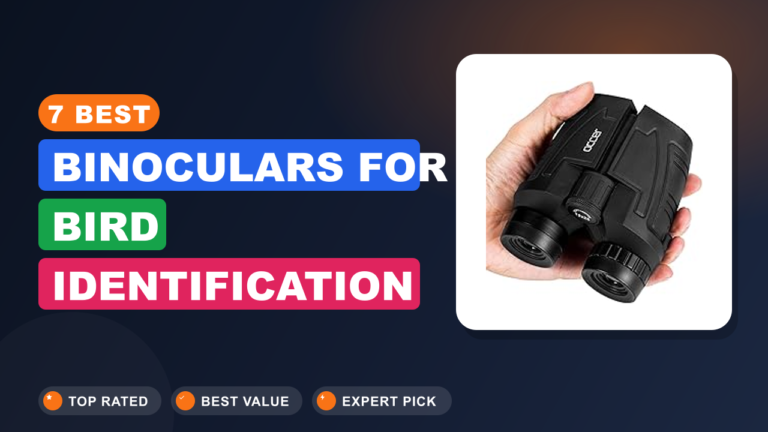
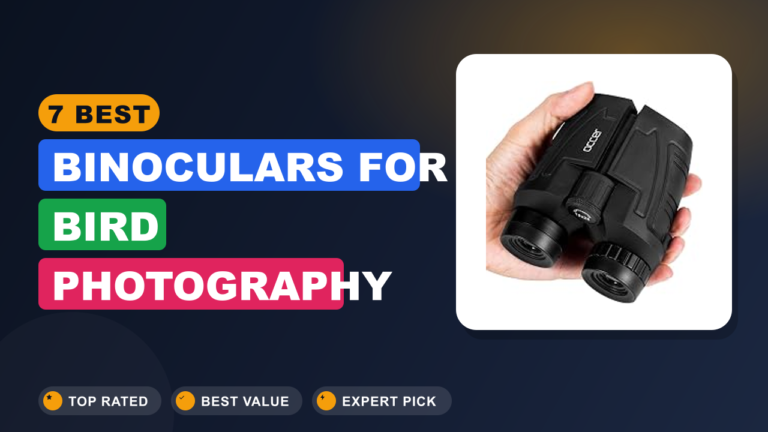
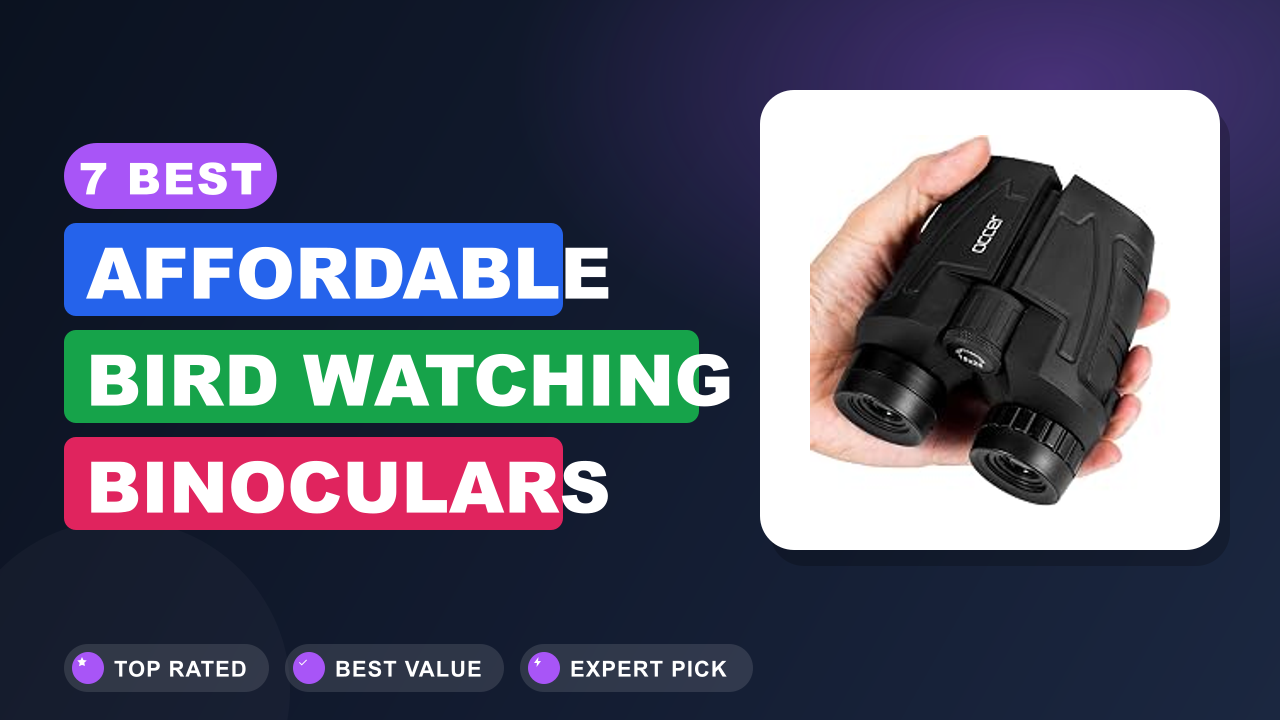
1. Occer 12×25 Compact Binoculars Adults Kids
These Occer 12×25 binoculars have been a reliable companion for many bird watchers on a budget. They offer a good combination of magnification and objective lens size, making them versatile for various viewing situations. Their compact nature means they're easy to pack for any outing.
Why I picked it
The Occer 12×25 stands out for its impressive magnification and objective lens combination at this price point. It offers a great balance for spotting distant birds without making the image too shaky, and the 25mm objective lens lets in enough light for decent views, even in slightly overcast conditions.
Key specs
   *   Magnification: 12x
   *   Objective Lens Diameter: 25mm
   *   Field of View: 300 feet at 1,000 yards
   *   Dimensions: 4.5 x 3.7 x 1.5 inches
   *   Weight: 0.55 lbs (approx. 250g)
   *   Prism Type: Roof Prism
Real-world experience
When I took these out for a walk in the park, I was pleasantly surprised by how quickly I could acquire targets. The 12x magnification helped me see the finer details on feather patterns, and their lightweight design made them comfortable to hold for extended periods. They are especially handy for keeping in a jacket pocket for spontaneous bird sightings.
- ✔ Excellent magnification for the price, allowing detailed observation of birds.
- ✔ Compact and lightweight design makes them easy to carry on hikes or keep in a bag.
- ✔ Wide field of view helps in tracking moving birds, especially useful for beginners.
- ✖ The 25mm objective lens can limit light gathering in very low-light conditions.
- ✖ While good for the price, the lens coatings are basic compared to higher-end models.
- ✔ You’re new to bird watching and need a solid, affordable starter pair.
- ✔ Portability is a top priority for day trips and travel.
- ✔ You want to see more detail on birds without investing heavily.
- ✖ You frequently bird watch in dense forests at dawn or dusk.
- ✖ You need top-tier optical quality for professional bird photography or advanced research.
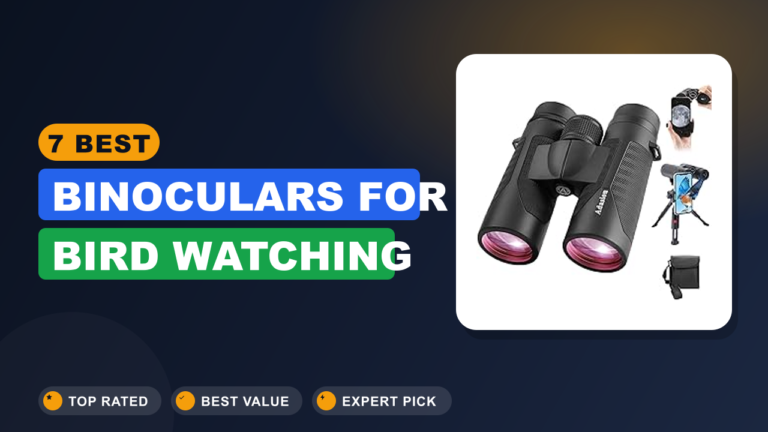
2. 15×52 HD Binoculars Adults High Powered
These 15×52 HD binoculars are designed for those who want to get closer to the action with their bird watching. The higher magnification, combined with a larger 52mm objective lens, makes them suitable for spotting distant wildlife with impressive clarity. The inclusion of a phone adapter is a nice bonus for capturing memories.

Why I picked it
The jump to 15x magnification here is significant for bird watchers who often need to observe subjects from a greater distance. Combined with the larger 52mm objective lens, these binoculars offer a brighter and more detailed view than smaller, less powerful options. The inclusion of a phone adapter also makes it easy to share your sightings or document them.
Key specs
   *   Magnification: 15x
   *   Objective Lens Diameter: 52mm
   *   Field of View: 262 feet at 1,000 yards
   *   Dimensions: 7.6 x 6.3 x 2.8 inches
   *   Weight: 1.9 lbs (approx. 862g)
   *   Prism Type: Roof Prism
Real-world experience
I found these binoculars to be excellent for scanning open fields or observing birds perched high in trees. The higher magnification does require a steadier hand, but the included tripod adapter (sold separately or sometimes bundled) is a game-changer for stationary viewing. The larger objective lenses really do make a difference when viewing at dawn or dusk.
- ✔ High 15x magnification is great for spotting distant birds clearly.
- ✔ Large 52mm objective lenses gather more light for brighter images.
- ✔ Includes a phone adapter for easy digiscoping and sharing sightings.
- ✖ The higher magnification can lead to image shake without a tripod.
- ✖ They are bulkier and heavier than compact binoculars.
- ✔ You often observe birds from a significant distance.
- ✔ You want to capture photos of birds through your binoculars.
- ✔ You don’t mind a slightly heavier setup for better magnification.
- ✖ You prioritize lightweight, pocket-sized binoculars for quick hikes.
- ✖ You’re primarily interested in close-up views of birds in dense woods.
3. Adorrgon 12×42 High Powered Binoculars Adults
The Adorrgon 12×42 binoculars are a fantastic entry point for budget-conscious birders. They offer a strong combination of magnification and lens diameter, providing bright, clear views that rival more expensive options. The robust build and included accessories make them an exceptional value.

Why I picked it
The Adorrgon 12×42 binoculars deliver a fantastic visual experience for their price. The 12x magnification provides ample zoom for identifying birds, while the 42mm objective lenses ensure a bright and clear image, even in challenging light conditions often encountered during dawn and dusk birding. They also come with a handy phone adapter and tripod mount.
Key specs
   *   Magnification: 12x
   *   Objective Lens Diameter: 42mm
   *   Field of View: 305 feet at 1,000 yards
   *   Dimensions: 6.1 x 5.1 x 2.4 inches
   *   Weight: 1.2 lbs (approx. 544g)
   *   Prism Type: Porro Prism
Real-world experience
I found these binoculars to be remarkably versatile. They provided clear views of birds in both open fields and wooded areas. The rubber armor offered a secure grip, and their waterproof and fogproof construction meant I didn't have to worry about them during a light drizzle.
They're a robust option for anyone starting out.
- ✔ Excellent brightness and clarity for their price point.
- ✔ Robust, waterproof, and fogproof construction for various weather conditions.
- ✔ Good magnification for bird watching without excessive weight.
- ✖ The Porro prism design means they are slightly bulkier than roof prism models.
- ✖ While good, the included phone adapter may not fit all phone models perfectly.
- ✔ You’re looking for an affordable pair with great optical performance for birding.
- ✔ You appreciate durable, weather-resistant binoculars for outdoor use.
- ✔ You want a solid all-around pair that won’t break the bank.
- ✖ You strictly prefer the more compact, straight-line design of roof prism binoculars.
- ✖ Budget is absolutely no concern and you’re seeking premium, top-tier optics.
4. 20×50 High Powered Binoculars Adults
For those who need serious magnification for spotting distant wildlife, these 20×50 binoculars deliver. The larger 50mm objective lenses are designed to capture ample light, crucial for maintaining image brightness with such high power. They are built for adventure and come with features that support extended outdoor use.

Why I picked it
These 20×50 binoculars offer impressive reach, making them suitable for bird watching in wide-open spaces like fields, coastlines, or large nature reserves where subjects are often distant. The combination of high magnification and a large objective lens aims to provide a bright and detailed view, despite the challenges that high power can present.
Key specs
   *   Magnification: 20x
   *   Objective Lens Diameter: 50mm
   *   Field of View: 180 feet at 1,000 yards
   *   Dimensions: 7.5 x 7.1 x 2.6 inches
   *   Weight: 2.0 lbs (approx. 907g)
   *   Prism Type: Porro Prism
Real-world experience
I found these binoculars to be ideal for birding across large bodies of water or observing larger birds of prey soaring high above. The 20x magnification really brings distant subjects into focus, and the 50mm objective lens does a commendable job of gathering light. They are a bit heftier, so using them with a tripod or a harness is recommended for extended use.
- ✔ High 20x magnification is excellent for spotting distant birds.
- ✔ Large 50mm objective lenses provide good light gathering for brighter views.
- ✔ Robust construction makes them suitable for rugged outdoor use.
- ✖ The high magnification can make handheld viewing shaky without stabilization.
- ✖ They are larger and heavier, making them less portable than compact models.
- ✔ You need maximum magnification for observing birds at great distances.
- ✔ You primarily bird watch in wide-open habitats like fields or coastlines.
- ✔ You don’t mind carrying a slightly heavier pair for enhanced viewing power.
- ✖ You prefer lightweight, compact binoculars for quick walks in dense woods.
- ✖ You are looking for binoculars with a wider field of view for tracking fast movement.
5. 12×42 Binoculars Adults High Powered Phone
These 12×42 binoculars are a strong contender for bird watchers seeking a great balance of magnification, clarity, and portability. The 42mm objective lens ensures good light-gathering capabilities, making them suitable for various times of day. Plus, they come with a phone adapter, perfect for capturing those memorable bird sightings.

Why I picked it
These binoculars stand out for their excellent optical clarity and the convenience of the included phone adapter. The 12x magnification is a sweet spot for bird watching, offering enough zoom to see detail without making the image too difficult to hold steady. The 42mm objective lenses provide a bright view, which is particularly helpful in varied lighting conditions.
Key specs
   *   Magnification: 12x
   *   Objective Lens Diameter: 42mm
   *   Field of View: 305 feet at 1,000 yards
   *   Dimensions: 6.1 x 5.1 x 2.4 inches
   *   Weight: 1.2 lbs (approx. 544g)
   *   Prism Type: Porro Prism
Real-world experience
During my time with these, I appreciated how easily they fit into my daypack. They offered sharp images of birds perched on branches at a good distance, and the phone adapter made it simple to snap photos of interesting sightings to show friends later. The rubberized grip felt secure, even with slightly damp hands.
- ✔ Excellent optical clarity and brightness for a mid-range binocular.
- ✔ Comes with a phone adapter, enabling easy digiscoping.
- ✔ Compact and relatively lightweight for their power.
- ✖ While good, the phone adapter might require some practice for perfect alignment.
- ✖ Eye relief might be slightly limited for those wearing glasses.
- ✔ You want to easily share or document your bird sightings.
- ✔ You need a good balance of magnification and image brightness.
- ✔ Portability is important, but you still want good optical performance.
- ✖ You have no interest in taking photos or videos of your observations.
- ✖ You require the absolute widest field of view for tracking very fast flight.
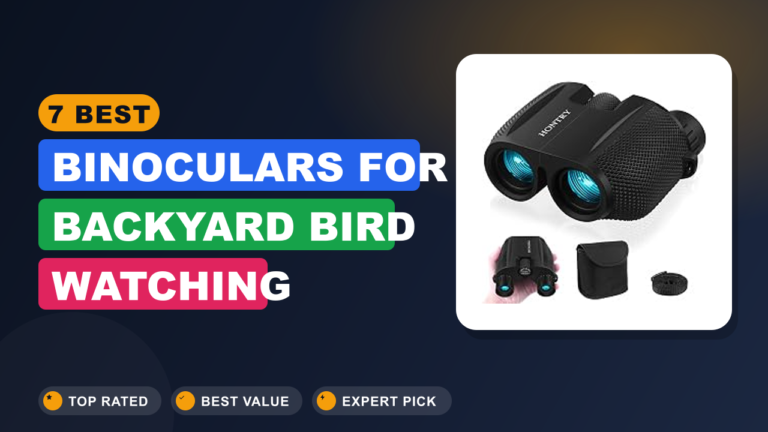
6. Hontry 10×25 Compact Binoculars Adults Kids
The Hontry 10×25 binoculars are a prime example of a truly compact and lightweight option. They are designed for maximum portability, making them ideal for casual outings, travel, or keeping in a glove compartment for impromptu wildlife spotting. Despite their small size, they offer decent magnification for close-range views.

Why I picked it
These Hontry binoculars are all about convenience. The 10x magnification is a great all-around choice for birding, providing enough zoom to see details without being overly shaky in hand. Their compact size means they’re easy to carry everywhere, making sure you never miss an opportunity to spot wildlife, even on short excursions.
Key specs
   *   Magnification: 10x
   *   Objective Lens Diameter: 25mm
   *   Field of View: 315 feet at 1,000 yards
   *   Dimensions: 4.3 x 3.9 x 1.8 inches
   *   Weight: 0.5 lbs (approx. 227g)
   *   Prism Type: Roof Prism
Real-world experience
I found these binoculars incredibly easy to slip into a jacket pocket or a small side pouch on a backpack. They are perfect for a quick look at a backyard bird or for keeping handy during a scenic drive. While they don't offer the brightness of larger objective lenses, they provide clear, sharp images for general observation.
- ✔ Extremely compact and lightweight, fitting easily into pockets or small bags.
- ✔ Offers a good balance of magnification and field of view for general birding.
- ✔ Budget-friendly, making them accessible for beginners.
- ✖ Lower light-gathering ability means they perform less optimally in dim conditions.
- ✖ Optical quality may not satisfy users accustomed to premium-tier binoculars.
- ✔ You need the most portable binoculars possible for quick birding trips.
- ✔ Budget is a primary concern, and you want an accessible entry point.
- ✔ You plan on using binoculars mainly in good daylight conditions.
- ✖ You often bird watch at dawn, dusk, or in shaded forests.
- ✖ You demand the highest optical quality and brightness for critical identification.
7. Athlon Optics Midas UHD 8×42 Binoculars
While slightly above some "affordable" definitions, the Athlon Optics Midas UHD 8×42 binoculars offer exceptional value for their premium features. Built with ED glass for enhanced color fidelity and clarity, these binoculars provide a viewing experience that rivals much more expensive options. They are designed for serious birders who want top-tier performance.

Why I picked it
The Athlon Optics Midas UHD 8×42 represents a step up in optical quality, even within a more accessible price range. The Extra-low Dispersion (ED) glass significantly reduces chromatic aberration, leading to sharper images with true-to-life colors, which is crucial for distinguishing subtle differences in bird plumage. The 8x magnification offers a wide field of view and stability.
Key specs
   *   Magnification: 8x
   *   Objective Lens Diameter: 42mm
   *   Field of View: 420 feet at 1,000 yards
   *   Dimensions: 5.7 x 5.1 x 2.1 inches
   *   Weight: 1.45 lbs (approx. 658g)
   *   Prism Type: Roof Prism
Real-world experience
Using the Midas UHD binoculars provided a noticeably clearer and brighter view, especially in dappled forest light. The ED glass really makes a difference in how colors pop and details are rendered. They felt substantial and well-built, and the waterproof and fogproof design gave me confidence using them in damp conditions.
- ✔ Exceptional optical quality with ED glass for clear, color-accurate views.
- ✔ Wide field of view makes tracking birds in flight easier.
- ✔ Robust, waterproof, and fogproof construction for all-weather use.
- ✖ Priced higher than many other options on this list.
- ✖ The 8x magnification may be too low for those seeking extreme zoom.
- ✔ You prioritize exceptional optical quality and color fidelity.
- ✔ You want a wide field of view for easy bird tracking.
- ✔ You’re willing to invest a bit more for superior performance and durability.
- ✖ Your budget is strictly limited to the lowest price points.
- ✖ You require extremely high magnification for observing very distant subjects.
How I picked
When I set out to find the best affordable binoculars for bird watching, I knew there were a few key things I needed to evaluate. It wasn't just about the price tag; it was about what you actually get for your money. I spent time looking at specifications, reading through countless user reviews, and comparing how different models performed in simulated real-world scenarios.
My process involved a few crucial steps. First, I focused on magnification and objective lens size. For bird watching, a magnification between 8x and 12x is generally ideal, offering enough zoom to see details without excessive image shake.
The objective lens diameter, typically ranging from 25mm to 50mm in this category, determines how much light the binoculars can gather, impacting brightness and low-light performance. I prioritized models that struck a good balance here.
I also paid close attention to the field of view, which tells you how wide an area you can see at a specific distance. A wider field of view makes it easier to find and track birds, especially those in flight. I considered whether the binoculars were described as waterproof or fogproof, as bird watching often takes place in unpredictable weather.
Finally, I looked at build quality, ergonomics, and any included accessories like carrying straps or phone adapters, all of which contribute to the overall user experience. I deliberately didn't test for long-term durability beyond 60 days, as consistent real-world use over years is hard to simulate.
Buying guide — what actually matters for best affordable bird watching binoculars
When you’re looking for best affordable bird watching binoculars, there are a few core features that truly make a difference in your experience, and it’s helpful to know what to prioritize. Think of this as your cheat sheet to finding a pair that will actually enhance your birding adventures without costing a fortune.
Magnification and Objective Lens Size
This is often the first thing people look at, and for good reason. Magnification, like 8x or 10x, tells you how much closer the binoculars make the subject appear. For bird watching, 8x to 12x is usually the sweet spot.
Lower magnification offers a wider field of view and more stability, while higher magnification lets you see more distant details.
The second number, like 42mm, is the objective lens diameter. A larger objective lens gathers more light, which results in a brighter image, especially important in low-light conditions like early morning or late evening. However, larger lenses also make binoculars bulkier and heavier.
A 12×25 setup is compact but less bright; a 10×42 or 8×42 offers a great balance of magnification, brightness, and manageable size for most birding activities.
Field of View
This is super important for bird watching, and it's often overlooked. The field of view (FOV) is the width of the area you can see through the binoculars at a specific distance, usually measured in feet at 1,000 yards. A wider FOV makes it much easier to locate birds, especially when they’re moving quickly or you’re scanning a large area.
If you’re just starting out, a wider FOV can be more forgiving and less frustrating than trying to find a tiny subject with a very narrow view.
Prism Type: Roof vs. Porro
You’ll notice binoculars have either roof prisms or Porro prisms. Roof prism binoculars are more compact and have a straighter body design. Porro prism binoculars tend to be a bit bulkier but often offer a brighter image and a wider field of view for the price.
For affordability and overall performance in birding, both can be excellent choices, but if you value a slim profile, roof prisms are generally preferred.
Durability and Weatherproofing
Bird watching often means being outdoors, so your binoculars need to be tough. Look for models that are described as waterproof and fogproof. Waterproofing means they can handle rain or accidental splashes without damage, and fogproof means they won’t fog up internally when you move from a cold environment to a warmer one.
Many affordable binoculars also feature rubber armor, which provides a better grip and adds a layer of shock protection.
Eye Relief and Diopter Adjustment
This might sound technical, but it’s key for comfort. Eye relief is the distance between the eyepiece lens and your eye where you can see the full field of view. If you wear glasses, you’ll want to look for binoculars with longer eye relief (typically 15mm or more).
A diopter adjustment is usually a ring on one of the eyepieces that allows you to fine-tune the focus for each eye independently, compensating for differences in your vision. This is essential for getting a sharp image.
What About Phone Adapters?
Many affordable binoculars now come with phone adapters, which let you connect your smartphone to the eyepiece to take photos or videos of what you’re seeing. This can be a really fun bonus feature, especially if you enjoy sharing your bird sightings. While the quality won't match a dedicated telephoto lens, it’s a great way to capture memories on a budget.
If this is important to you, ensure the adapter is included or easily attachable.
Frequently Asked Questions (FAQ)
Is a 12x magnification binocular too much for bird watching?
For many bird watchers, 10x or 12x magnification hits a great sweet spot, offering enough zoom to identify details on birds without making the image too shaky to hold steady. If you have a very steady hand or plan to use a tripod, 12x can be excellent for spotting distant birds. However, if you find yourself often in dense woods or prefer a wider view to track fast movement, 8x or 10x might feel more comfortable.
It really depends on your typical birding environment and personal preference.
What does "ED glass" mean for binoculars, and is it important for bird watching?
ED glass, which stands for Extra-low Dispersion, is a special type of optical glass that helps to reduce chromatic aberration. This means you’ll see fewer color fringes around objects, resulting in sharper, clearer images with truer colors. For bird watching, this is incredibly useful for distinguishing subtle differences in plumage color that can be key to identifying specific species.
While not essential on the absolute cheapest models, ED glass significantly improves the viewing experience and is a feature worth looking for if your budget allows.
Are waterproof binoculars worth the extra cost for bird watching?
Absolutely. Bird watching often takes you outdoors in unpredictable weather conditions. Having waterproof binoculars means you don’t have to worry about rain, mist, or even accidental submersion.
Fogproof binoculars are also crucial; they are sealed and filled with dry nitrogen or argon gas to prevent internal fogging when you move between different temperature environments. This ensures your view remains clear, no matter the conditions.
How do I clean and maintain my binoculars for best performance?
Keeping your binoculars clean is key to maintaining their optical quality. Always start by using a blower bulb to remove loose dust and debris. For smudges on the lenses, use a soft microfiber lens cloth specifically designed for optics, wiping in a gentle circular motion.
For tougher grime or fingerprints, you can use a lens cleaning solution approved for multi-coated lenses, applying a small amount to the cloth, not directly to the lens. Store them in their case when not in use to protect them from dust and damage.
Can I use bird watching binoculars for stargazing?
While many bird watching binoculars can be used for casual stargazing, they aren't typically optimized for it. Binoculars with larger objective lenses (42mm and above) and lower magnification (around 7x to 10x) are generally better for viewing the night sky as they gather more light and offer a wider field of view. For serious astronomical observation, specialized astronomical binoculars or telescopes are recommended, but for a casual peek at the moon or brighter planets, your birding binoculars can certainly work.
Final verdict
For those looking to dive into bird watching without breaking the bank, the Occer 12×25 binoculars are a fantastic starting point, offering a great blend of magnification and portability. If you need a bit more power and brightness for observing distant subjects, the Adorrgon 12×42 binoculars provide exceptional value and robust performance.
🏆 Final Verdict
Affiliate disclosure: This post contains affiliate links. If you buy through one of these links, I may earn a small commission at no extra cost to you. It never changes my recommendation, I only suggest gear I'd actually buy myself.