Snowy Owl Facts
If you’ve ever wondered about the mysterious, brilliant white birds of the north, you aren’t alone. Learning snowy owl facts reveals a creature perfectly engineered for one of the most extreme environments on our planet.
These raptors possess incredible cold-weather adaptations that allow them to thrive in sub-zero temperatures. As of 2026, scientific observations continue to highlight how this species monitors its environment to survive the harsh Arctic winters.
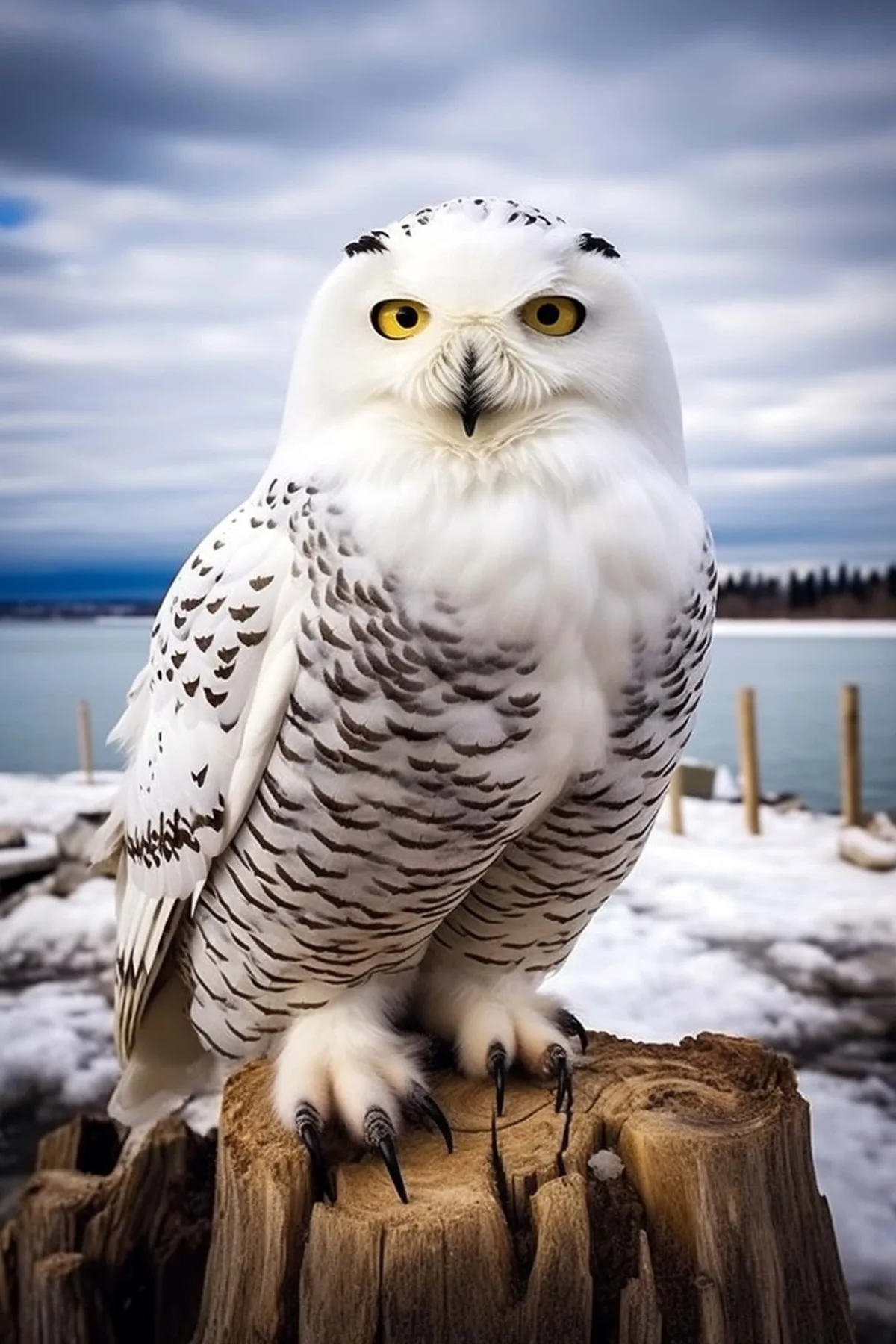
Image source: Web (Bing) / pixnio.com (Web image (fair-use with source credit))
Quick Answer
Snowy owls are large, white birds native to the Arctic tundra. They possess thick plumage and insulated feet for extreme cold. These predators hunt mostly lemmings during daylight hours.
They migrate south when food sources become scarce in the north. They remain protected under federal laws like the Migratory Bird Treaty Act.
Built for the Tundra: How Snowy Owls Thrive in the Cold
The snowy owl (Bubo scandiacus) is a master of Arctic survival. Unlike many other owls that stay tucked away in trees, the snowy owl lives on the open, windswept tundra. This landscape offers no trees for shelter, so the owl must rely on its own body to manage heat.
Their secret lies in their heavy insulation. They possess more feathers than almost any other owl species. These feathers create a dense barrier against the wind.
Even their nostrils are covered by small, stiff feathers to help warm the air before it reaches their lungs.
Perhaps their most impressive feature is their foot structure. Their feet are covered in thick, hair-like feathers that reach all the way to the tips of their talons. This serves as a natural parka, allowing them to perch on snow or ice without losing body heat.
The Anatomy of an Arctic Predator: Visual Cues and Features
When you observe a snowy owl, you’ll notice distinct physical traits that differentiate them from local woodland owls. Their eyes are a striking, piercing yellow, which provides excellent vision for spotting movement across vast, white expanses. Because their eyes are fixed in place, they use their highly flexible necks to track prey.
Their plumage serves as both insulation and high-functioning camouflage. While males are often nearly pure white, females and younger birds feature dark brown barring. This pattern mimics the shadows and rocky patches found on the tundra.
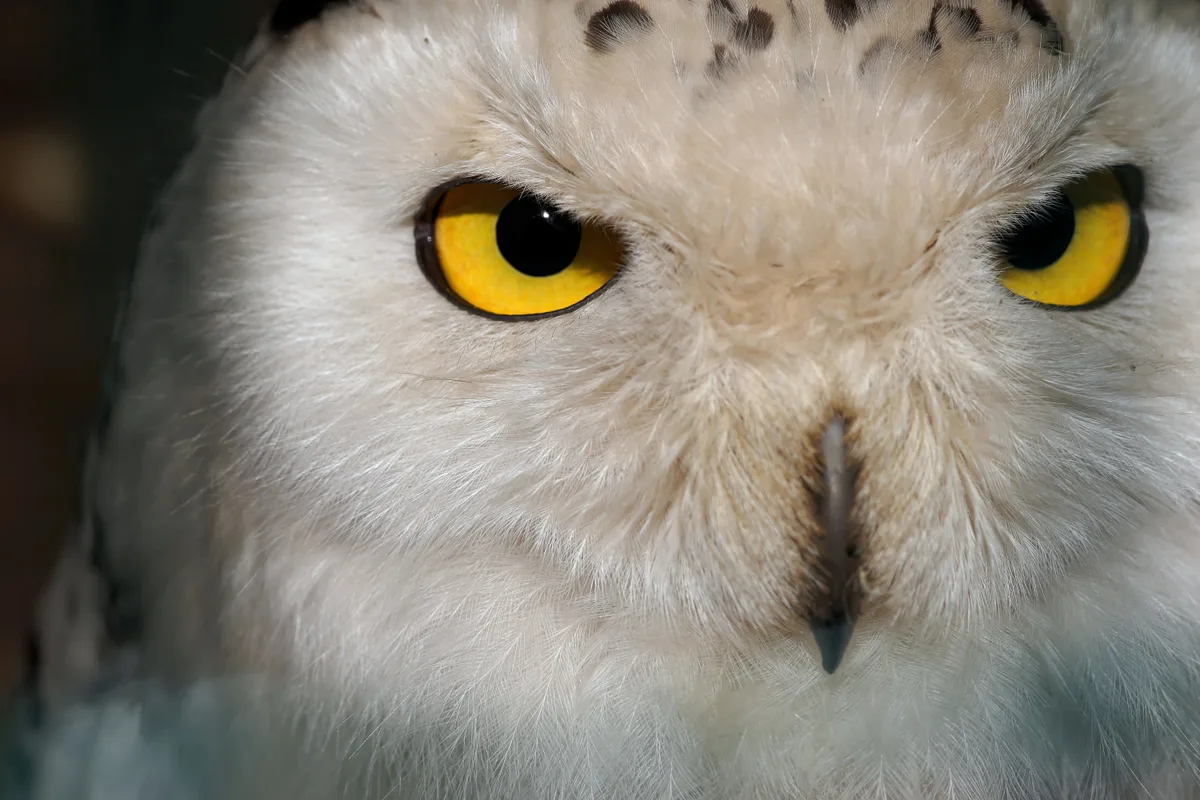
Image source: Web (Bing) / pxhere.com (Web image (fair-use with source credit))
| Feature | Function |
|---|---|
| Feathered Feet | Thermal insulation on ice |
| Yellow Eyes | High-contrast visual acuity |
| Silent Wing Fringe | Stealth hunting of small prey |
| White Plumage | Camouflage against Arctic snow |
Why Snowy Owls Move South: Understanding the Irruption Cycle
Many people assume snowy owls migrate because they hate the cold. That isn’t actually true. These birds are built to handle temperatures that would be fatal to most other animals.
They head south, a phenomenon called an irruption, primarily because of food cycles. The snowy owl population is closely linked to the population of lemmings. When lemming numbers drop, the owls must leave the Arctic to avoid starvation.
These irruptions can bring the owls into southern Canada and the northern United States. If you see one in a park or near an airport, it is likely a younger bird searching for a reliable food source. They often choose open spaces like airfields because these areas remind them of the wide, flat tundra.
Spotting an Owl Safely: Essential Field Ethics and Best Practices
If you’re planning to head out and spot a snowy owl, your behavior matters significantly. These birds are often exhausted and hungry when they arrive in southern regions. Excessive noise or close proximity forces them to fly away, which burns energy they need for hunting.
The U.S. Fish and Wildlife Service provides guidelines for wildlife observation that apply here. Stay in your vehicle if possible, as it acts as a blind that the birds often ignore.
Use binoculars or a camera lens to see them from a distance rather than approaching on foot.
Avoid flushing the bird by walking toward it. If the owl is looking at you, you are already too close. Give the bird space so it can focus on finding its next meal.
The Numbers Behind the Bird: Size, Diet, and Life Metrics
Understanding the scale of these birds helps put their predatory power into perspective. A typical adult stands about 2 feet tall with a wingspan that can stretch up to 5 feet. They are heavy for their size, which helps them stay grounded during intense Arctic gales.
Their diet is surprisingly specialized. A single snowy owl can consume over 1,500 lemmings in a year. During lean times, they are opportunistic and will hunt other small mammals or birds to survive.
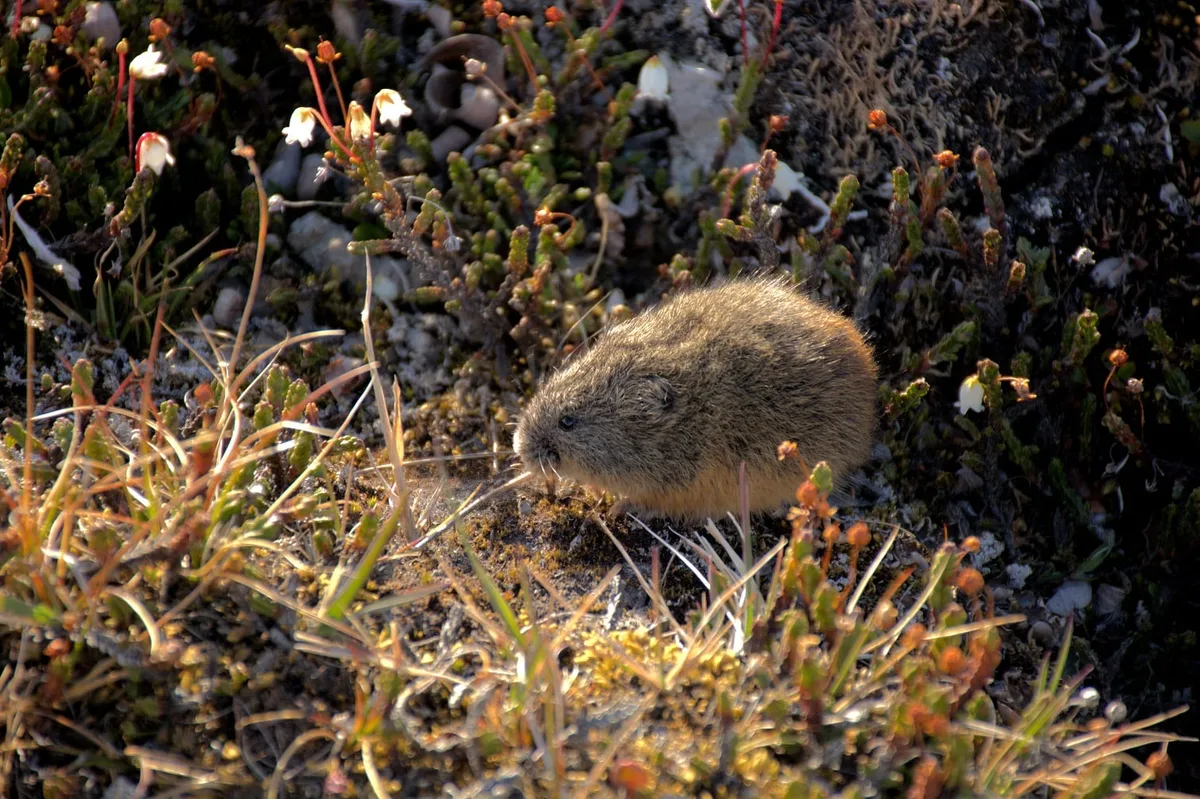
Image source: Web (Bing) / ar.inspiredpencil.com (Web image (fair-use with source credit))
- Average Weight: 3.5 to 6.5 pounds.
- Hunting Pattern: Mostly diurnal, or daytime-active.
- Typical Lifespan: Up to 10 years in the wild.
- Nesting Habits: They nest on the ground, usually on high points like ridges.
Legal Protection and Environmental Stewardship
Snowy owls receive strong legal protection under the Migratory Bird Treaty Act in the United States and similar international agreements. This legislation makes it illegal to capture, kill, or disturb these birds or their eggs. It also prohibits the sale or transport of any part of the bird, including feathers.
If you find a bird that appears injured or sick, do not attempt to move it yourself. Reach out to a licensed wildlife rehabilitator or your state wildlife agency. They have the training and specialized equipment to safely capture and treat these raptors.
Beyond legal requirements, ethical stewardship remains a key factor in protecting the species. Habitat loss and climate change continue to impact their nesting grounds in the high Arctic. Supporting conservation organizations that focus on habitat protection helps ensure these owls have a safe place to return to each spring.
Frequently Asked Questions About Snowy Owls
Are snowy owls active at night?
While they belong to the owl family, they are diurnal. This means they hunt primarily during the day. This behavior evolved because of the constant sunlight in the Arctic summer.
They can hunt at night if necessary, but daylight remains their preferred time for spotting prey.
How do I know if an owl is stressed?
A stressed owl will often hold its head high and stare directly at you. They might also bob their heads or open their wings to appear larger. If you notice these behaviors, you are likely too close.
Back away slowly until the bird returns to a more relaxed posture.
Can I feed a snowy owl if it looks hungry?
You should never feed a snowy owl. Human food is not part of their natural diet and can cause serious health issues. Furthermore, feeding wild animals makes them lose their natural fear of humans.
This behavior often leads to dangerous encounters with vehicles or domestic pets.
Why do some snowy owls have dark spots?
The dark spots are a form of camouflage. Adult males typically turn whiter as they age, while females and younger birds retain dark markings. These bars help them blend into the rocks and vegetation of the tundra.
This coloration provides vital protection against larger predators while the owl sits on its nest.
Do snowy owls stay in the same place all year?
Snowy owls are migratory birds, though their movements depend on food availability. They spend their summers breeding in the Arctic. During winter, they head south to regions with more open space and available prey.
These movements are not always consistent and can vary significantly from one year to the next.