Types of Vultures
Seeing a large, dark bird circling high in the sky often triggers curiosity about the different types of vultures you might be watching. These scavenger birds are essential to our natural world because they help keep ecosystems clean and disease-free.
Vultures are generally divided into two distinct groups based on where they live across the globe. As of 2026, research from the U.S. Fish and Wildlife Service confirms that these birds play a critical role in carrion removal and pathogen control.
Understanding how to identify them starts with looking at their flight patterns and physical silhouettes.
Quick Answer
Vultures are divided into New World and Old World species. New World vultures include the Turkey Vulture and Black Vulture. Old World vultures reside in Europe, Africa, and Asia.
They are expert scavengers found in many climates. Identification relies on wing shape and head color.

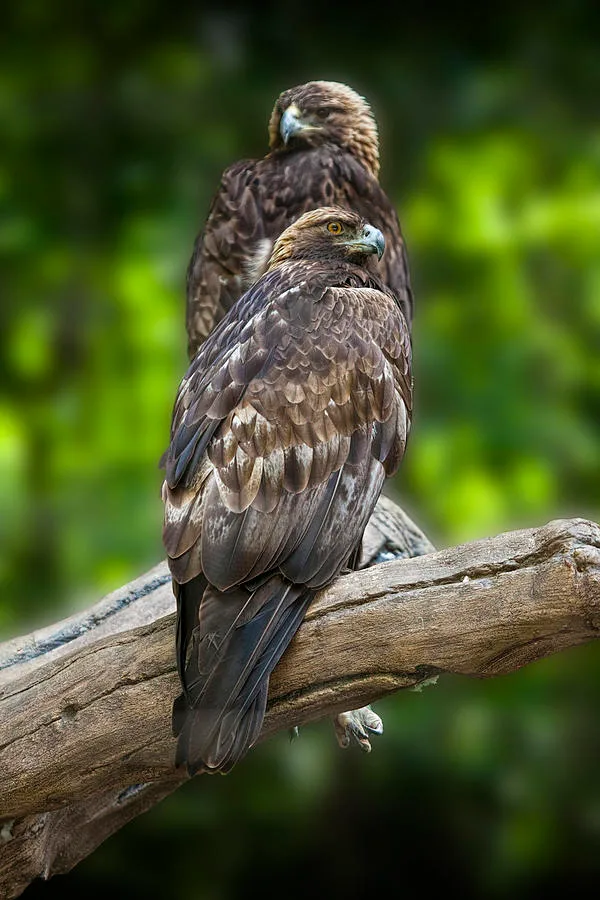
Image source: Web (Bing) / fineartamerica.com (Web image (fair-use with source credit))
Why Vulture Identification Starts with Flight Style
If you want to identify a vulture, look at its flight behavior before you even check its color. Vultures rely on thermal energy to stay aloft for hours while searching for food. You will often see them soaring in circles to gain altitude.
New World vultures have specific flight signatures that make them easier to spot. The Turkey Vulture, for example, is famous for its teetering flight. You will see it rock from side to side while its wings are held in a slight V-shape, known as a dihedral angle.
Other birds, like hawks or eagles, tend to hold their wings flatter. If you see a bird rocking like a tightrope walker in a strong breeze, it is likely a vulture. This behavior helps them stay stable in shifting air currents without wasting energy on flapping.
Decoding the Silhouette: Reading the Sky
The silhouette is your most reliable tool for field identification. Since vultures are usually seen from below against a bright sky, color is often hidden by shadows. Focus on the shape of the wings and the tail instead.
Turkey Vultures show a distinct two-toned wing pattern. The flight feathers look lighter than the dark wing linings, creating a silver-grey appearance from below. Black Vultures, by contrast, look much darker and have white patches only at the very tips of their wings.
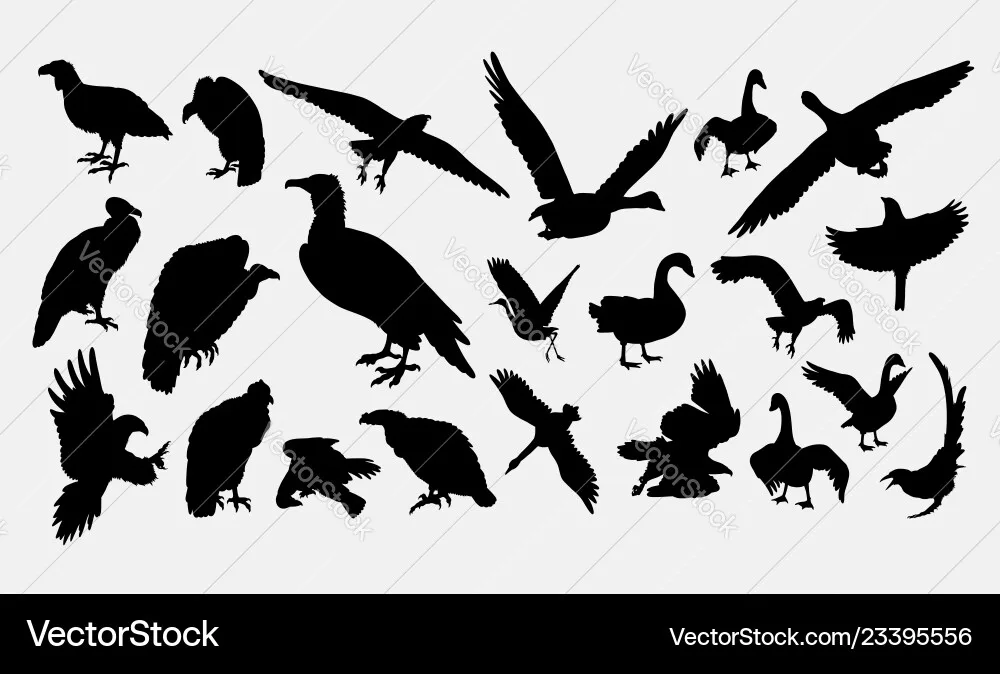
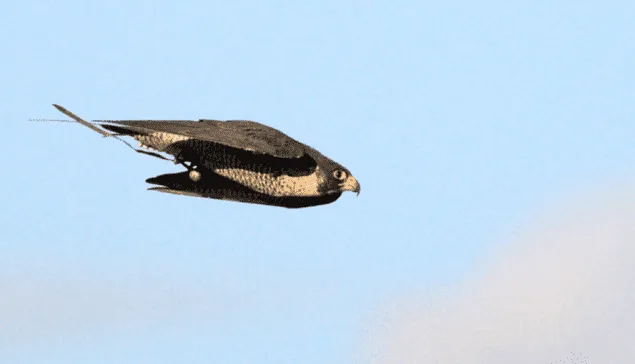
Image source: Web (Bing) / vectorstock.com (Web image (fair-use with source credit))
Tail length also offers a major clue. Turkey Vultures have long, rounded tails that extend well past their feet. Black Vultures have short, blunt tails that barely reach beyond their wingtips.
Assessing these proportions helps you distinguish between the two common North American species instantly.
Distinguishing Between New World and Old World Species
New World and Old World vultures are not closely related. They share similar features because they adapted to the same scavenging role, which is a process known as convergent evolution. New World vultures are most closely related to storks, while Old World vultures share ancestors with eagles.
New World vultures are found throughout the Americas. They rely heavily on their sense of smell to locate carrion, a trait that is rare among birds. In contrast, Old World vultures possess exceptional eyesight and hunt almost entirely by visually scanning the landscape.

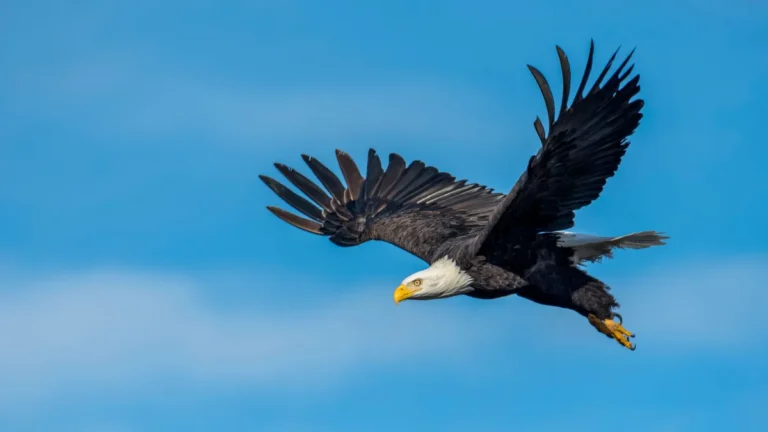
Image source: Web (Bing) / millstonenews.com (Web image (fair-use with source credit))
You can tell them apart by their facial features and vocal abilities. Most New World vultures have vibrant, featherless heads that help with hygiene. Old World species often have more complex plumage around their necks and are generally silent.
| Feature | New World Vulture | Old World Vulture |
|---|---|---|
| Primary Sense | Smell and Sight | Sight |
| Lineage | Stork-related | Hawk-related |
| Flight | Dihedral (V-shape) | Flat wings |
Visual Cues for In-Field Identification
When you get a closer look, the head color becomes your primary indicator. An adult Turkey Vulture always sports a bright red, wrinkled head. Juveniles start with dark heads that gradually change color as they mature.
Black Vultures have grey, pebbled skin on their heads from the time they leave the nest. They appear much more uniform in color compared to the Turkey Vulture. Pay attention to the wing flaps as well, as Black Vultures flap more frequently to maintain speed.
Size matters if you happen to spot a rare California Condor. These are significantly larger than any other vulture in North America. Look for the massive white patches under the wings that serve as a high-visibility marker for other members of their species.
Common Pitfalls: Birds Easily Mistaken for Vultures
It is easy to misidentify a raptor as a vulture if you are not looking for specific cues. Buteos like the Red-tailed Hawk are frequently mistaken for vultures. However, hawks rarely soar with a pronounced V-shape and they lack the characteristic wing-tip "fingers" of a vulture.
Ravens can also be confusing because they are large and black. Look at the tail shape: a raven has a wedge-shaped or rounded tail that looks quite different from the square or long tails of vultures. Ravens also fly with quick, purposeful wingbeats rather than long, lazy circles.
Golden Eagles are another source of confusion for new birders. They have a massive wingspan and soar with a flat wing profile. Always check for the presence of white patches on the wing base, which are common in young eagles but absent in most North American vultures.
Legal Protections and Ethical Birding Best Practices
Vultures receive significant legal protection in the United States under the Migratory Bird Treaty Act. This federal law makes it illegal to capture, kill, or possess these birds or their feathers without a specific permit. Because they provide free, natural sanitation services, they are viewed as vital assets to local public health.
If you enjoy birding, always prioritize the welfare of the birds over getting a perfect photo. Keep a respectful distance when you encounter a vulture feeding on a carcass. Disturbing them while they eat can cause them to abandon their meal, which forces them to waste precious energy.
Follow these simple ethics to keep your birding responsible:
- Never use flash photography near nesting sites or resting groups.
- Stay on designated trails to avoid trampling sensitive habitat.
- Report sightings to legitimate citizen science platforms like eBird.
- Avoid leaving litter or harmful materials in areas where these scavengers forage.
If you find an injured or grounded bird, do not attempt to handle it yourself. Their defensive response can include regurgitating stomach contents, which is unpleasant and can spread pathogens. Contact a licensed wildlife rehabilitator or your local state wildlife agency for professional assistance instead.
Frequently Asked Questions
Why do vultures have bald heads?
Vultures have featherless heads to help them stay clean while feeding on carrion. Feathers would trap bacteria and rotting tissue, leading to potential infections. Their skin is exposed to direct sunlight, which acts as a natural disinfectant to help kill parasites and pathogens after they finish eating.
Are vultures dangerous to pets or livestock?
Vultures are scavengers and rarely attack healthy, living animals. They mostly consume animals that have already died from disease or injury. If you see a group of vultures near livestock, they are likely waiting for a natural death rather than acting as predators.
How do vultures locate food from such high altitudes?
Turkey Vultures have a highly developed olfactory system that allows them to detect the scent of decaying matter from miles away. They follow the odor of ethyl mercaptan, a gas released during the early stages of decomposition. Other species rely on their keen eyesight to spot carcasses or watch for the behavior of other scavengers.
How long do these birds typically live?
Vultures are long-lived birds with few natural predators. In the wild, Turkey Vultures can live for 15 to 20 years or more. Larger species like the California Condor have even longer lifespans, often reaching 50 to 60 years in managed conservation programs.
Can I deter vultures from my property?
You can discourage vultures from landing on your roof or deck by using visual deterrents. Hanging reflective tape, placing plastic owls, or using motion-activated sprinklers often works. Since they are protected by law, you cannot harm or harass them, so stick to non-lethal exclusion methods to encourage them to move elsewhere.