What Is the Smallest Water Bird
Ever found yourself watching birds by the water and wondering which one is the absolute tiniest? That's a great question, and pinpointing the smallest water bird can be a bit of a puzzle, involving a close look at size and species. These diminutive feathered friends are often overlooked but hold a special place in avian diversity.
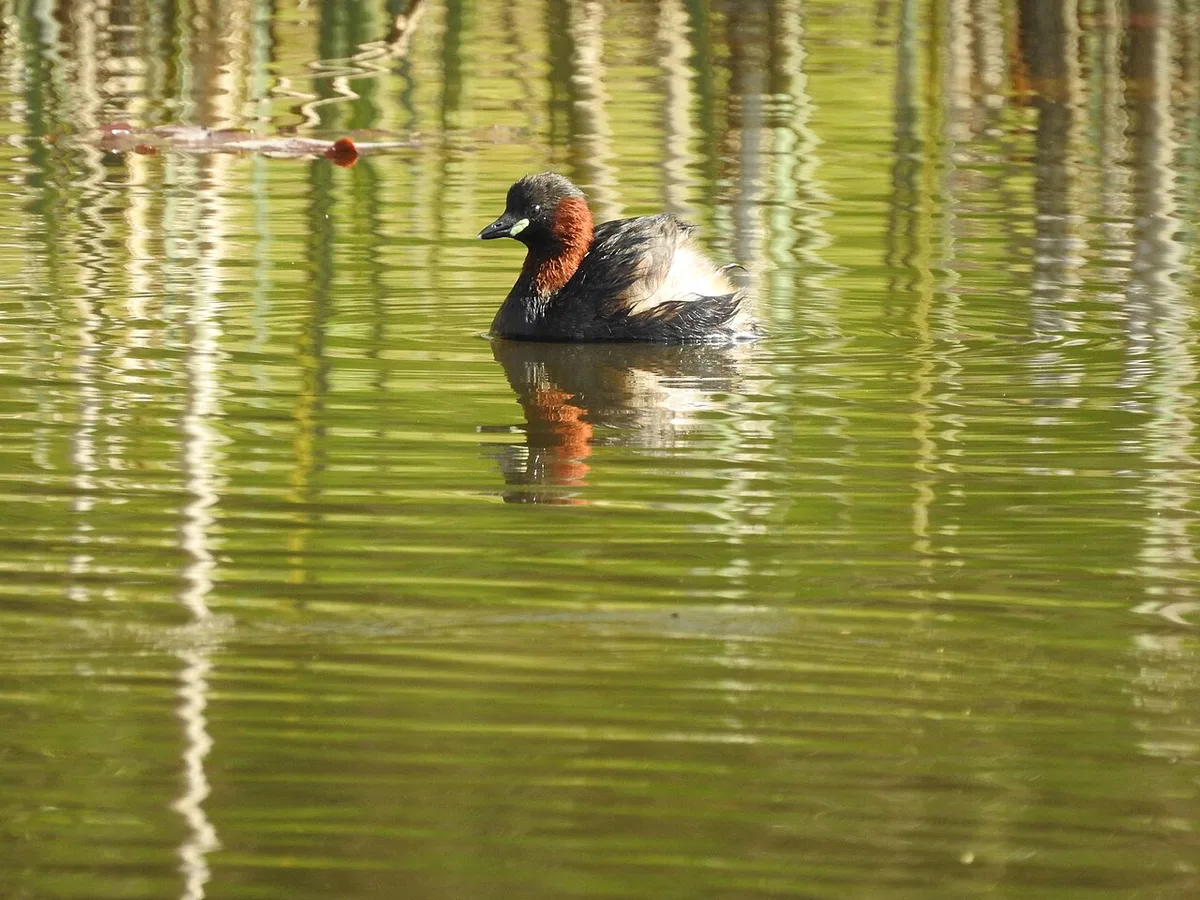
The answer often points to the Little Grebe, a bird so small it measures only about 23, 29 cm (9, 11 inches) in length. It's a fascinating subject for anyone curious about the smaller wonders of the natural world.
Quick Answer: Who's the Tiniest Water Bird?
The Little Grebe is widely considered the smallest water bird globally. It typically measures 23, 29 cm long and weighs just 120, 200 grams. Other very small contenders exist, like the Least Grebe and Cotton Pygmy-goose, but the Little Grebe consistently holds the title for petite stature.
Diving into the Smallest Water Bird Debate
When we talk about the "smallest water bird," we're really looking for the species that consistently registers the lowest measurements in both length and weight among birds primarily associated with aquatic environments. It’s not just about being small; it’s about being the smallest in a specific category. This often sparks debate among bird enthusiasts and ornithologists, as defining what constitutes a "water bird" can sometimes be fluid, and precise measurements can vary slightly between different populations or studies.
However, consensus generally points to a few key species that are always in the running.
The study of avian size is crucial for understanding ecology, evolution, and migration patterns. For instance, data from the U.S. Geological Survey on bird banding indicates that precise measurements are key to tracking populations and their health over time.
Let's start by looking at the bird most often given the crown.
The Little Grebe: Often Crowned King of Small
When the title of "smallest water bird" is discussed, the Little Grebe (scientific name: Tachybaptus ruficollis) is almost always the first name that comes up. This tiny diving bird is a master of its environment, perfectly adapted to life on small bodies of freshwater. It's a bird that truly embodies the concept of being small and mighty, often going unnoticed until you take a closer look.
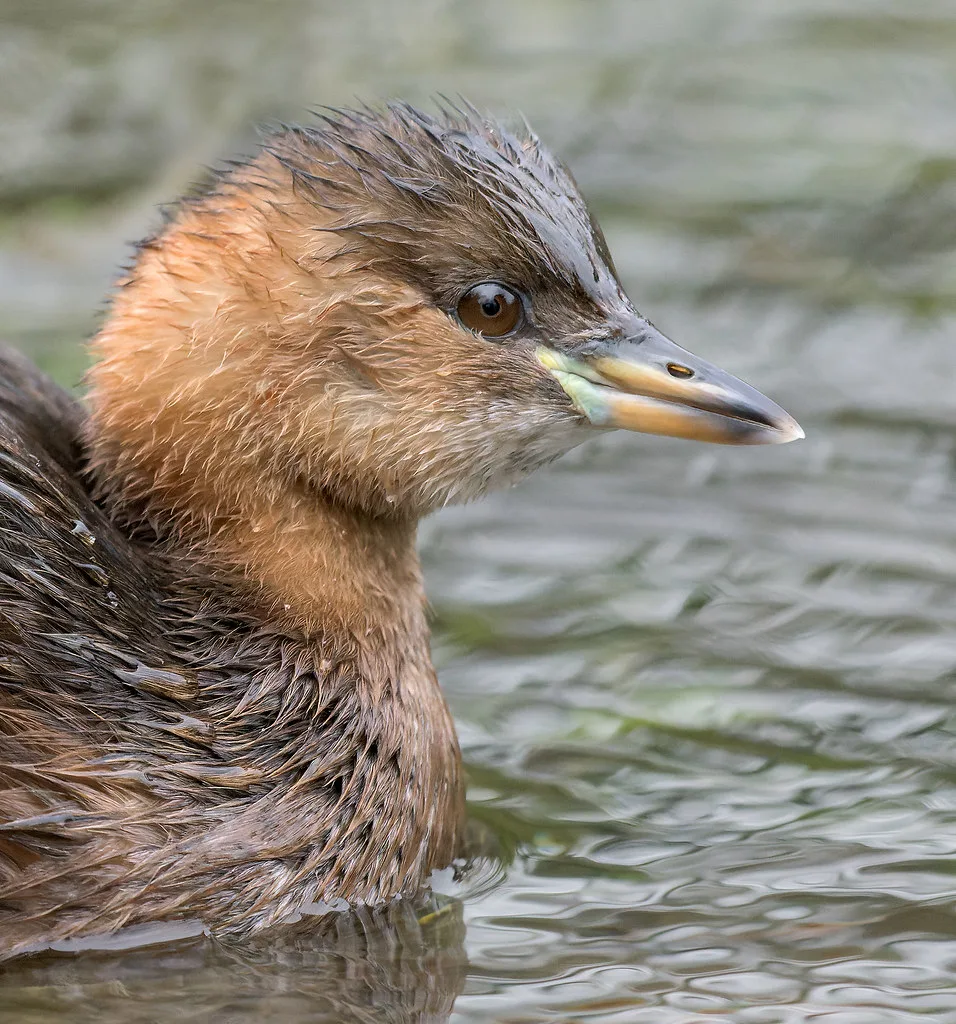
- Size: Adults typically measure between 23 and 29 centimeters (9 to 11 inches) from bill to tail. Their weight is equally impressive in its smallness, usually ranging from 120 to 200 grams (about 4 to 7 ounces). To put that in perspective, that's roughly the size and weight of a small apple or a large potato.
- Habitat: You'll find these little gems in a variety of freshwater habitats, from small ponds and lakes to slow-moving rivers and even flooded gravel pits. They prefer areas with plenty of submerged vegetation, which they use for cover and nesting.
- Behavior: Little Grebes are excellent divers, using their small size and agile bodies to catch small fish, aquatic insects, and crustaceans. They are also known for their incredibly soft, trilling calls, often heard during breeding season. When threatened, they can disappear underwater with barely a ripple, resurfacing yards away.
This species is found across a vast range, spanning much of Europe, Asia, and parts of Africa, making it a globally recognized tiny water dweller.
Other Tiny Contenders for the Title
While the Little Grebe often takes the top spot, it's not the only bird that qualifies for the "smallest water bird" conversation. Nature loves to surprise us with variations, and several other species are remarkably petite and spend their lives on or around water. These birds might be smaller in certain regions or have overlapping size ranges, making the definitive "smallest" title a close race.
Least Grebe (Tachybaptus dominicus): Found in Central and South America, this grebe is a very close competitor to the Little Grebe. It can be as small as 20, 24 cm (8, 9.5 inches) long, making it potentially even smaller in average length, though its weight range can be similar or slightly less than the Little Grebe. Its habit of diving and its preference for quiet, vegetated waters make it a very similar species in behavior.
Cotton Pygmy-goose (Nettapus coromandelianus): This is one of the smallest true geese. Native to South and Southeast Asia and Australia, it measures around 26, 30 cm (10, 12 inches) in length. While slightly longer than the Little Grebe, its body is very compact. They are often found in small flocks on still or slow-moving freshwater, feeding on seeds, roots, and aquatic insects.
Some small duck species: While many ducks are medium to large birds, some dabbling ducks and sea ducks can be surprisingly small. For example, certain populations of the Buffelhead (Bucephala albeola), a North American sea duck, are quite small for their kind, averaging around 32, 46 cm (12.5, 18 inches) in length. However, they are generally larger than the smallest grebes.
These other species highlight that the "smallest" can sometimes depend on the specific metric (length versus weight) and geographical population being studied.
How We Measure "Smallest" in Birds
Determining the "smallest" anything, especially in the biological world, isn't always as simple as a single number. For birds, particularly when we're looking for the smallest, we typically consider a combination of factors, but length and weight are the primary metrics. It's about understanding the bird's overall physical dimensions to get a clear picture.
- Total Length: This is usually measured from the tip of the beak to the tip of the tail feathers when the bird is laid flat. However, the posture of a bird can affect this measurement, so it's often standardized by ornithologists. Different sources might use slightly different measurement techniques, which can lead to minor discrepancies.
- Weight: This is perhaps the most definitive measure of a bird's size, as it accounts for the bird's overall mass. Bird weights can fluctuate seasonally, especially around breeding and migration periods, but average weights provide a solid basis for comparison. For example, the Little Grebe's average weight of 120, 200 grams places it firmly in the tiny category.
- Wingspan: While not the primary factor for "smallest," wingspan is another common measurement. However, a bird can have a relatively small body but a large wingspan for its size, which is more about flight efficiency than overall bulk.
Scientific publications and ornithological surveys, such as those conducted by organizations like the U.S. Geological Survey, provide standardized methods for collecting such data. These consistent measurements are vital for comparing species accurately across different regions and for tracking population health over time.
Key Features of Pint-Sized Water Birds
So, what makes these tiny water birds so unique and adapted to their environments? It’s not just their size; it's a suite of features that allow them to thrive where larger birds might struggle. These characteristics are finely tuned for survival in aquatic and semi-aquatic habitats.
Agile Diving and Swimming: Birds like the Little Grebe are incredibly adept at moving through water. Their small, compact bodies and strong legs positioned far back on their bodies allow for efficient propulsion underwater, making them excellent hunters of aquatic prey. They can dive and resurface quickly, often with minimal disturbance to the water.
Camouflage and Stealth: Many small water birds rely on camouflage to avoid predators and to sneak up on their prey. Their plumage often blends seamlessly with their surroundings, whether it's the reeds and grasses of a pond edge or the murky waters themselves. This ability to be inconspicuous is a key survival trait.
Specialized Diets: Their small size often means they feed on smaller food items. This can include aquatic insects, larvae, small fish, crustaceans, and sometimes seeds or plant matter. Their feeding strategies are often quick and opportunistic, taking advantage of whatever small aquatic life is available.
Nesting Strategies: Small water birds often build well-camouflaged nests. These are frequently made from aquatic vegetation and can be floating structures anchored to plants, or nests built low in reeds and grasses near the water's edge. This keeps their vulnerable eggs and chicks hidden from predators.
These combined features allow even the smallest water birds to carve out a successful niche in diverse aquatic ecosystems around the world.
Why Bird Size Matters to Nature Lovers
Understanding the size of different bird species, especially the smallest ones, is more than just trivia for birdwatchers. It's fundamental to appreciating the intricate balance of ecosystems and the incredible diversity of life on Earth. When we focus on the pint-sized members of the avian world, we gain a deeper insight into ecological niches and evolutionary adaptations.
Ecological Roles: Small birds often occupy specific ecological niches. They might be key predators of small invertebrates, helping to control insect populations, or they might serve as prey for a variety of larger animals, forming a crucial link in the food chain. Their small size allows them to exploit food sources that larger birds cannot.
Indicators of Environmental Health: The presence and health of small water birds can act as an indicator for the health of their aquatic habitats. If these tiny species are thriving, it generally suggests a healthy ecosystem with a good supply of food and suitable nesting sites. Declines in their populations can signal environmental problems like pollution or habitat degradation, which is why monitoring species like the Little Grebe is important.
Evolutionary Insights: Studying the size variations and adaptations of birds, from the smallest grebes to larger species, provides valuable data for understanding evolutionary processes. It helps scientists learn how species adapt to different environments and pressures over time. For instance, the specific adaptations of tiny diving birds offer clues about how avian life conquered aquatic realms.
Learning about what makes a bird "small" and identifying these miniature marvels enhances our appreciation for the planet's biodiversity and the delicate web of life.