How Long Do Conures Live
Understanding how long conures live is crucial for any potential owner, as these vibrant birds can be long-term companions. Their lifespans are significantly influenced by genetics and, more importantly, the quality of care they receive throughout their lives.
Research indicates that conures can live for many years, often spanning one to three decades. This means preparing for a substantial commitment is key, with proper diet and enrichment playing vital roles in their overall health and longevity.
Quick Answer
Conures typically live between 15 to 30 years. This lifespan can vary based on the specific species and the quality of their care. Good diet, regular veterinary visits, and a stimulating environment are essential for maximizing a conure's years.
Some individuals may even live beyond 30 years with optimal conditions.
What's the Average Conure Lifespan?
When we talk about how long conures live, we're generally looking at a pretty impressive commitment. These aren't birds that will be with you for just a few years; they can be a part of your family for a significant portion of your life. The average lifespan for most conure species, when cared for properly, falls within the 15 to 30 year range.
This means you could be sharing your home with your feathered friend for anywhere from 15 years to three decades, sometimes even a bit longer. It’s a serious commitment, but one that offers incredible rewards in terms of companionship and the unique bond you can form.
Species Differences in Longevity
It's not a one-size-fits-all answer, though. Just like with different breeds of dogs or cats, specific conure species can have slightly different average lifespans. For instance, while a Green-cheeked Conure might have a typical lifespan towards the lower end of that 15-30 year spectrum, a Sun Conure or a Jenday Conure might lean more towards the longer end, potentially exceeding 25 or 30 years with excellent care.
These variations are often linked to their natural biology and genetic makeup.
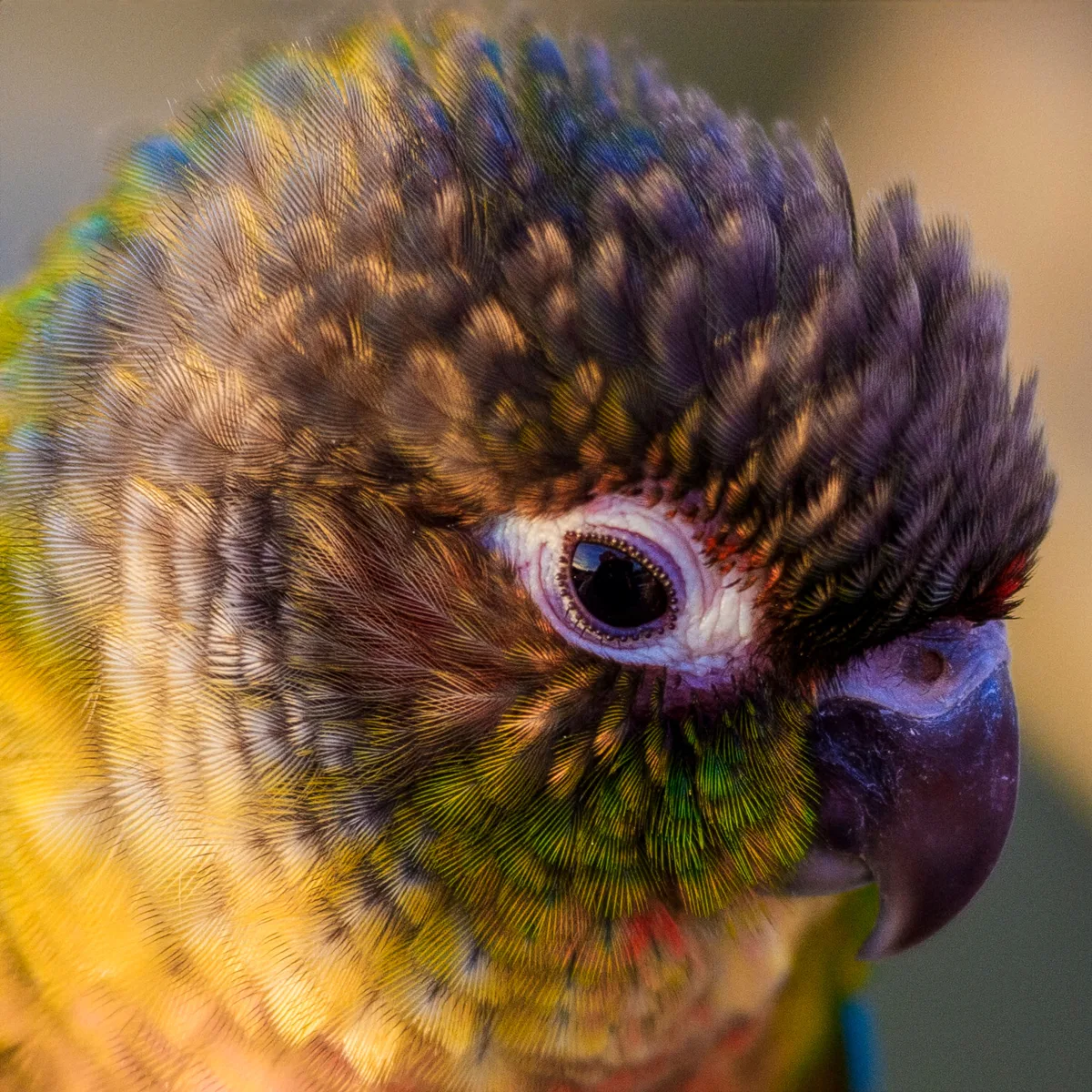
Image source: Bing (Web (fair-use with source credit))
Understanding these nuances helps set realistic expectations and tailor your care approach. Always research the specific needs and typical longevity of the conure species you're interested in.
What Factors Impact How Long Your Conure Lives?
So, if the average lifespan is a range, what makes some conures live happily for 30 years while others might fall short? It really boils down to a few key areas that directly influence their health and well-being. Think of these as the pillars supporting a long and vibrant life for your bird.
These factors are largely within your control as a pet owner. While you can't change a bird's genetics, you can certainly provide an environment and diet that allow them to reach their full potential lifespan. It's about being proactive and informed.
The Role of Diet in Conure Health
Diet is arguably one of the most critical factors in determining how long a conure lives. A balanced diet is not just about keeping them alive; it's about providing the necessary nutrients for optimal organ function, a strong immune system, and overall vitality. Feeding a bird solely on seeds, for example, is like feeding a person only junk food, it lacks essential vitamins and minerals and can lead to serious health problems.
Our research shows that a well-rounded diet should include:
- High-quality Pellets: These form the base of a healthy diet, providing balanced nutrition.
- Fresh Fruits and Vegetables: Offer a variety of colorful options like leafy greens, berries, apples, and carrots. Ensure they are safe for birds and prepared appropriately (e.g., no seeds in apples).
- Limited Seeds and Nuts: These are high in fat and should be offered only as occasional treats.
- Fresh Water: Always ensure clean, fresh water is available.
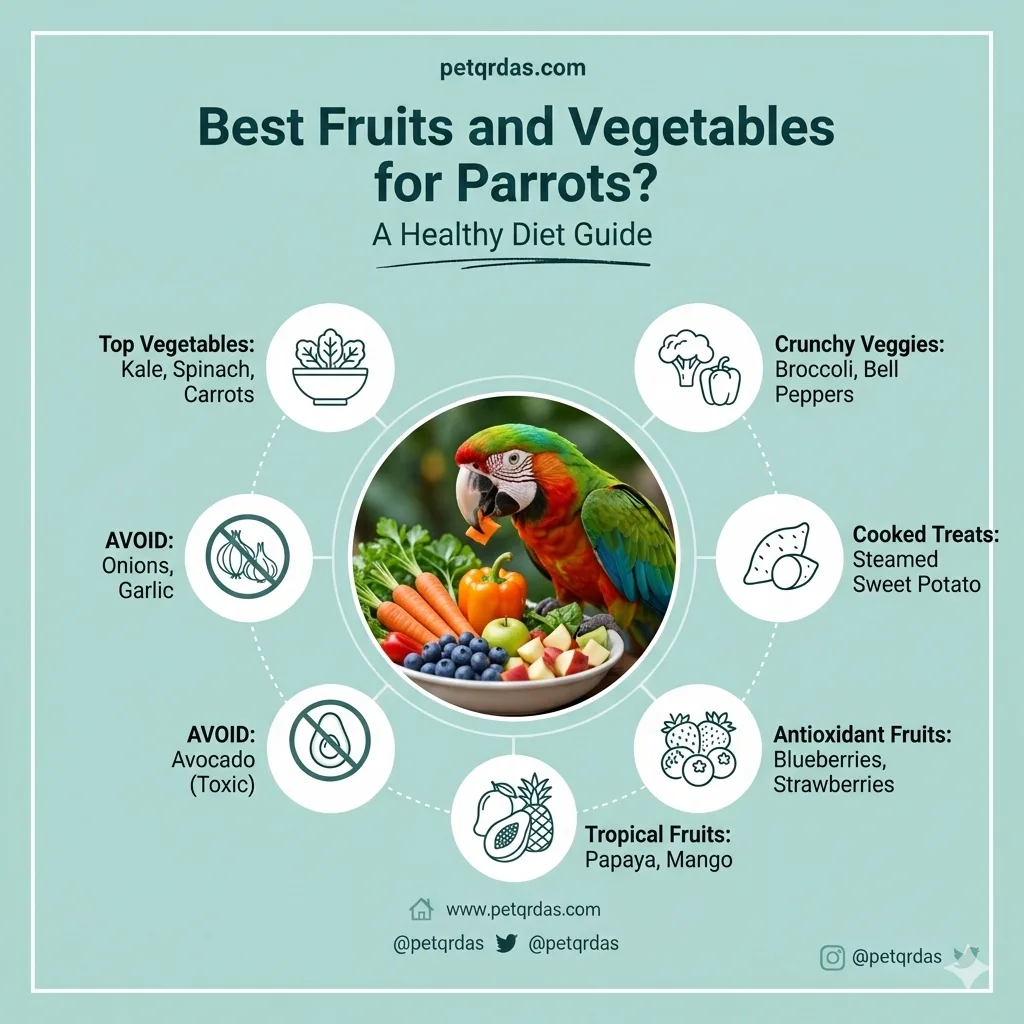
Image source: Bing (Web (fair-use with source credit))
Poor nutrition can lead to obesity, liver disease, kidney problems, weakened immunity, and even behavioral issues, all of which can significantly shorten a conure's lifespan. Feeding a varied and nutritious diet is one of the best investments you can make in your bird's long-term health.
Why Good Vet Care is Non-Negotiable
Regular check-ups with an avian veterinarian are absolutely essential for a conure's longevity. Birds are masters at hiding illness, a survival instinct from their wild ancestors. By the time you notice obvious signs of sickness, a condition might already be quite advanced and harder to treat.
An experienced avian vet can:
- Perform routine wellness exams: Catching subtle changes before they become major problems.
- Advise on preventative care: This can include nutritional guidance, parasite checks, and beak/nail trims.
- Diagnose and treat illnesses promptly: Early intervention is key to successful recovery.
- Provide species-specific health advice: They understand the unique vulnerabilities of parrots like conures.
According to standards from avian veterinary associations, annual wellness exams are recommended for all pet birds, with more frequent visits for young, old, or chronically ill birds. Neglecting veterinary care or using a vet not specialized in avian medicine can have serious consequences. It's vital to find a vet with specific training and experience in treating birds, as their physiology is very different from mammals.
Creating a Safe and Stimulating Home
The environment in which your conure lives plays a massive role in both their mental and physical health, directly impacting their lifespan. A safe and stimulating home environment prevents accidents, reduces stress, and keeps their intelligent minds engaged.
Key aspects of a safe and stimulating home include:
- Spacious Cage: The cage should be large enough for your conure to spread its wings, climb, and play comfortably. Bar spacing is also important to prevent escape or injury.
- Enrichment and Toys: A variety of perches, swings, bells, and chewable toys are vital for mental stimulation. Rotating toys keeps things interesting and prevents boredom.
- Cleanliness: Regular cleaning of the cage, food and water dishes prevents the buildup of bacteria and parasites that can cause illness.
- Protection from Hazards: This includes keeping the cage away from direct sunlight or drafts, and ensuring there are no toxic fumes (like those from non-stick cookware, aerosols, or cleaning products) present. It also means being mindful of other household pets.
A stressed or bored conure is more prone to developing behavioral issues and can experience a decline in overall health, potentially shortening their life. Providing a secure, engaging, and clean environment is fundamental to their well-being.
The Importance of Mental Stimulation and Socialization
Conures are highly intelligent and social creatures. They don't just need food and water; they need interaction and mental engagement to thrive. A lack of mental stimulation and social interaction can lead to significant stress, which, over time, can manifest as physical health problems and reduce their lifespan.
Think about it: in the wild, parrots spend their days foraging, interacting with their flock, and exploring. When these needs aren't met in captivity, it's a recipe for unhappiness and poor health.
Conures benefit greatly from:
- Daily Interaction: Spending quality time with your conure, talking to them, and allowing them to be part of your family activities.
- Training: Positive reinforcement training not only strengthens your bond but also provides excellent mental exercise.
- Puzzle Toys: These require problem-solving skills to access treats, keeping their minds sharp.
- Varied Foraging Opportunities: Hiding food or using foraging toys mimics natural behaviors and provides mental challenge.
A conure that is consistently engaged and feels like a valued member of the household is more likely to be a happy, healthy, and long-lived companion. Neglecting their social and mental needs is a common pitfall that can sadly impact their longevity.
The Lifelong Commitment: What to Expect
Bringing a conure into your home is a decision that requires looking far into the future. When you consider that these birds can live for 15 to 30 years, and sometimes even longer, it's clear you're signing up for a significant, long-term commitment. This isn't a pet you can easily rehome or neglect; it's a living, breathing individual who will depend on you for their entire life.
This extended lifespan means you need to think about how your life might change over the next few decades. Will you be able to provide a stable environment through potential moves, career changes, or family growth? Consider that your conure will be with you through different life stages.
- Travel: Planning vacations means arranging for experienced bird-sitters or finding pet-friendly accommodations.
- Financial Planning: Factor in ongoing costs for high-quality food, toys, veterinary care, and potential emergency treatments, which can be substantial over 20-30 years.
- Lifestyle Adjustments: Your daily routine might need to accommodate your bird's needs for interaction, out-of-cage time, and specific care requirements.
Common Mistakes That Shorten a Conure's Life
Despite the best intentions, pet owners can inadvertently make mistakes that shorten their conure's lifespan. Being aware of these common pitfalls can help you avoid them and ensure your bird lives as long and healthy a life as possible. These errors often stem from a lack of specific knowledge about parrot care.
One of the most frequent mistakes is inadequate nutrition. Feeding a diet primarily of seeds, which are high in fat and low in essential vitamins and minerals, is a direct route to health problems like liver disease, obesity, and weakened immune systems. Another critical error is lack of avian-specific veterinary care.
Using a veterinarian who isn't experienced with birds means potential illnesses might be missed or misdiagnosed, as avian anatomy and physiology are very different from mammals.
Other common mistakes include:
- Insufficient mental stimulation: Leading to boredom, stress, and behavioral issues.
- Exposure to toxins: This can include fumes from non-stick cookware, aerosols, cleaning products, or even certain household plants.
- Inadequate cage size or enrichment: Restricting movement and natural behaviors.
- Ignoring signs of illness: Birds are adept at hiding sickness, so prompt attention is crucial.
- Lack of socialization: Isolating the bird can lead to depression and anxiety.
Expert Tips for a Longer, Happier Conure Life
Maximizing your conure's lifespan is about more than just avoiding mistakes; it's about actively promoting a healthy, enriched life. Drawing on expertise from avian veterinarians and experienced bird keepers, here are some proactive tips to ensure your feathered friend thrives for as long as possible. These practices focus on holistic well-being.
- Invest in a High-Quality Diet: Base their diet on species-appropriate pellets, supplemented with a wide variety of fresh vegetables and fruits. Limit fatty treats like seeds and nuts. Always ensure clean, fresh water is available.
- Establish Regular Vet Check-ups: Schedule annual wellness exams with an avian veterinarian. This allows for early detection of potential health issues and provides tailored health advice.
- Provide a Stimulating Environment: Offer a spacious cage with diverse perches, toys, and foraging opportunities. Rotate toys to keep their interest piqued and prevent boredom.
- Prioritize Social Interaction: Spend dedicated time with your conure daily. Talk to them, train them using positive reinforcement, and include them in safe family activities to meet their social needs.
- Ensure a Safe Habitat: Keep the cage away from drafts, direct sunlight, and sources of toxic fumes (e.g., kitchen fumes from non-stick cookware, aerosols, cleaning products). Use bird-safe cleaning products and household items.
- Observe Behavior Closely: Learn your conure's normal behaviors and promptly address any changes in appetite, droppings, activity level, or appearance, consulting your avian vet.
- Offer Opportunities for Flight: If possible and safe, allow supervised out-of-cage time in a bird-proofed room to encourage natural movement.
Following these expert recommendations helps foster a robust physical and mental state, significantly contributing to your conure's overall longevity and quality of life.
Frequently Asked Questions About Conure Lifespans
How long does a Sun Conure live?
Sun Conures are known for their long lifespans, typically living between 20 to 30 years. With exceptional care, some individuals may even reach or exceed 30 years of age.
Do Green-cheeked Conures live as long as other conures?
Green-cheeked Conures generally have a lifespan of about 10 to 15 years. While this is shorter than some other conure species, it's still a significant commitment, and good care is essential.
Can a conure live to be 40 years old?
While 15 to 30 years is the typical range, it's rare for conures to live to 40. This would require an exceptional combination of genetics and decades of optimal care, but it is not impossible for some individuals.
What is the main reason conures die early?
The most common reasons for a conure dying prematurely are poor diet, lack of appropriate veterinary care, exposure to toxins, and significant stress or neglect. Addressing these factors is key to a longer life.