What Is the Most Colorful Parrot
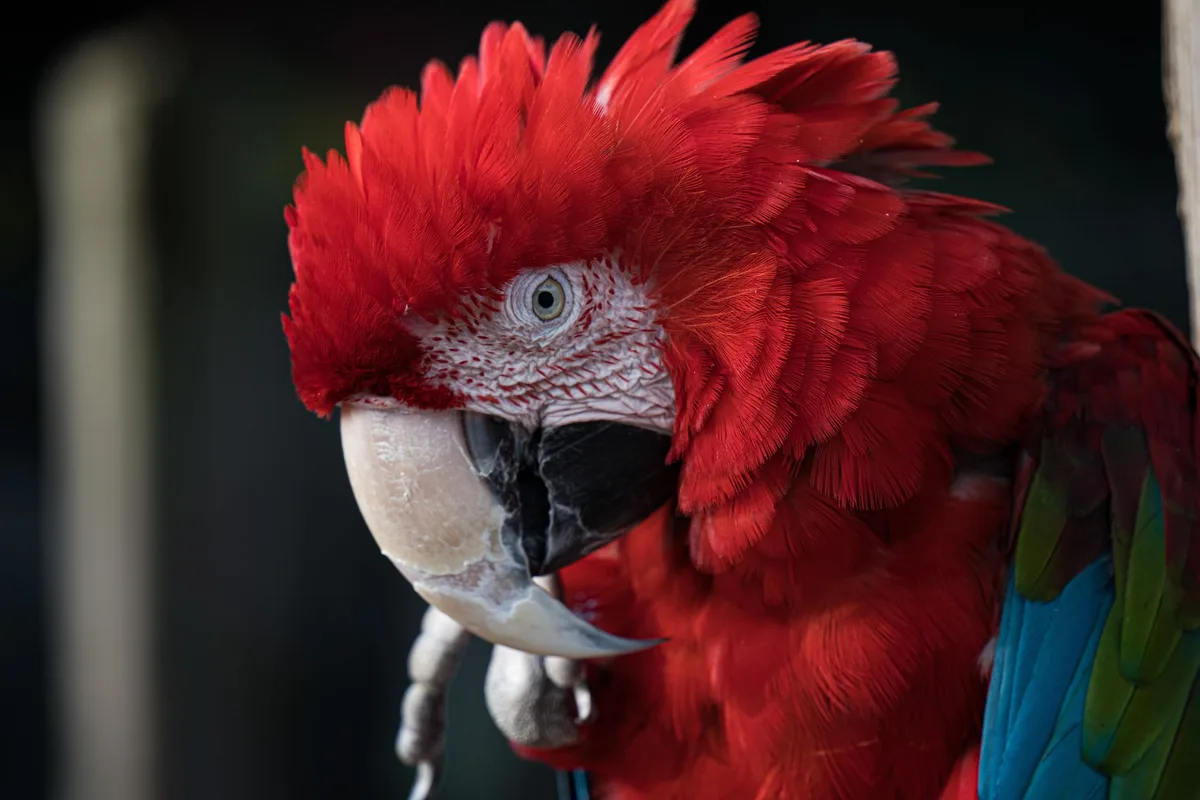
Image source: Bing (Web (fair-use with source credit))
Scarlet Macaw vs. Hyacinth Macaw vs. Rainbow Lorikeet: Who Wears the Crown?
When you're wondering what is the most colorful parrot, it’s easy to get lost in a kaleidoscope of feathers. So many species boast incredible plumage, making a single "winner" tough to pick without defining what "colorful" means to you. Are we talking about the most colors, the most intense hues, or a specific striking pattern?
Our research dives into the avian spectrum to highlight the parrots that truly stand out for their vibrant displays. We’ll break down the contenders, looking at their unique color profiles and what makes each one a spectacular sight. This guide focuses on species renowned for their breathtaking coloration as of 2026, helping you appreciate the diversity of feathered beauty.
Quick Answer: The Fierce Color Competition
The Scarlet Macaw often claims the title for its vibrant mix of red, blue, and yellow. Rainbow Lorikeets are intensely colorful with a kaleidoscope of shades. Hyacinth Macaws are celebrated for their stunning, deep cobalt blue.
Eclectus parrots present dramatic color differences between males and females, with males being green and females a striking red and purple.
Scarlet Macaw: The Fiery Rainbow
The Scarlet Macaw (Ara macao) is arguably the poster child for vibrant parrot coloration, and for good reason. If you’re looking for a bird that embodies a tropical sunset, this is it. Its plumage is a dazzling symphony of bold primary and secondary colors, making it a top contender when discussing the most colorful parrots.
The most striking feature is its dominant bright red chest and back. This fiery hue covers a significant portion of its body, providing an immediate visual impact. Contrasting sharply with the red are the brilliant blues that grace its wings and tail feathers.
This electric blue isn't just a hint; it's a powerful statement, especially noticeable in flight. Then, you have the warm, sunny yellow that bands across its wings, adding another layer of complexity and visual appeal. This specific combination of intense red, vibrant blue, and bright yellow is unique and incredibly captivating.
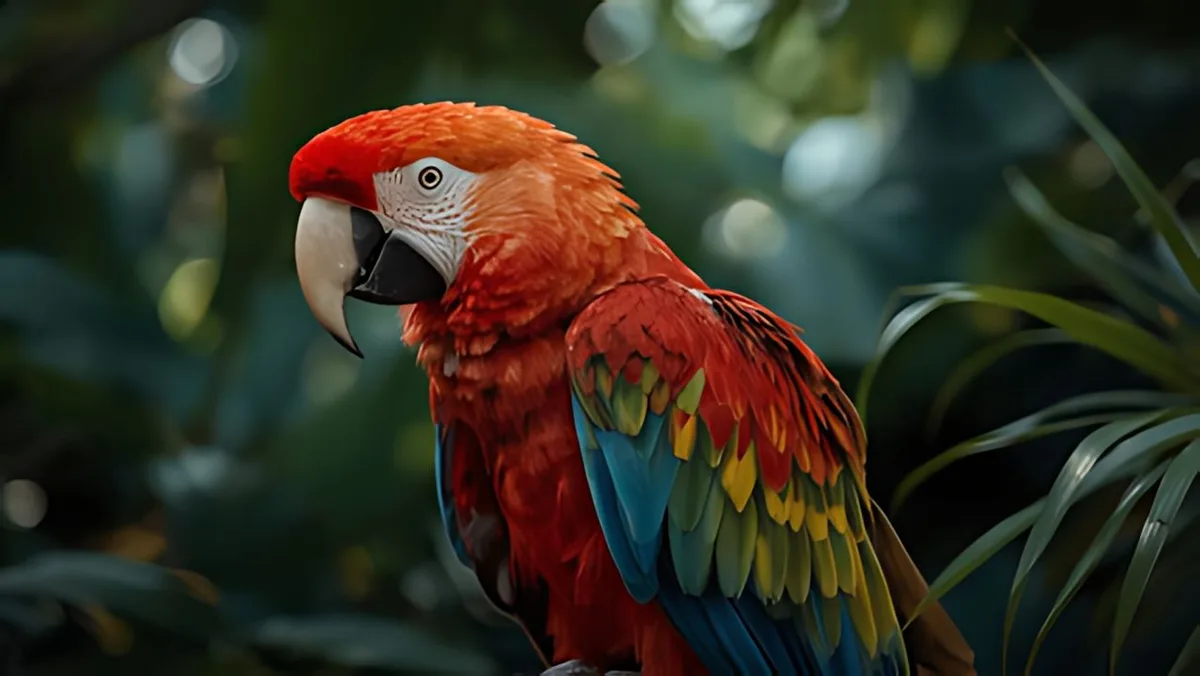
Image source: Bing (Web (fair-use with source credit))
These macaws are large birds, typically reaching lengths of around 32 to 36 inches from head to tail, with a significant portion of that length being their impressive tail feathers. This size allows their bold colors to be displayed prominently. The stark contrast between the red, blue, and yellow on their bodies is further enhanced by the black flight feathers and the white facial patch, which often has fine red feather lines.
This combination of colors and patterns is not only visually stunning but also serves specific functions in their natural habitat.
When it comes to sheer color density and variety on a single bird, the Scarlet Macaw is hard to beat. Its presence is immediately felt, and its flamboyant appearance has made it a symbol of tropical wildlife. For many, this bird represents the pinnacle of avian color.
Hyacinth Macaw: The Deep Blue Jewel
While other parrots might boast a wider array of colors, the Hyacinth Macaw (Anodorhynchus hyacinthinus) makes its case for "most colorful" through sheer intensity and uniformity of a single, breathtaking hue. This is the largest flying parrot species in the world, and its appearance is nothing short of majestic. Its color is a deep, rich, cobalt blue that’s almost velvety in its richness.
This uniform blue covers nearly its entire body, from the crown of its head down to its tail. It’s a color so profound and consistent that it’s captivating. What sets it apart from being just a single-colored bird are the striking, bright yellow patches.
These vibrant yellow markings are found around the eyes and on the lower mandible (jawbone). This contrast, while subtle compared to a macaw with multiple colors, is incredibly dramatic and adds a unique focal point to the bird's face.
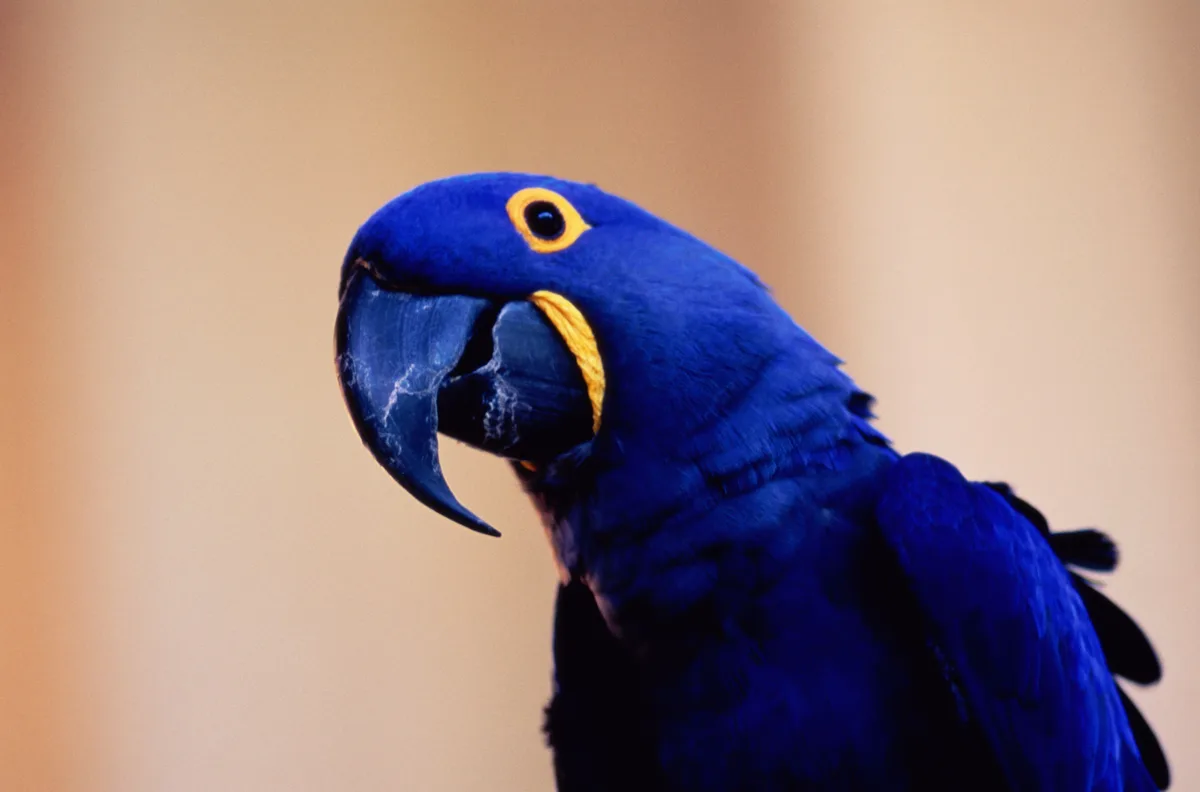
Image source: Bing (Web (fair-use with source credit))
Hyacinth Macaws can reach lengths of up to 40 inches, making them truly enormous. This impressive size amplifies the impact of their singular blue coloration. Their powerful beaks are also a glossy black, adding to their striking appearance.
Unlike parrots with a mottled or highly varied plumage, the Hyacinth’s beauty lies in its bold, almost regal, monochromatic statement, punctuated by those vivid yellow accents. It’s a powerful example of how a singular, intense color can be just as, if not more, impactful than a multitude of shades. Its rarity and distinctive appearance make it a highly sought-after and iconic species.
Rainbow Lorikeet: The Miniature Masterpiece
If you're looking for a parrot that embodies the term "living rainbow," the Rainbow Lorikeet (Trichoglossus moluccanus) is a strong contender. These smaller parrots, native to Australia, pack an astonishing amount of color into their compact frames, often making them appear as if they’ve been dipped in every shade of the spectrum. They are a fantastic example of vibrant, multifaceted avian beauty.
The head of a Rainbow Lorikeet is typically a deep, vivid blue, often extending down to its chest. This blue contrasts dramatically with the bright green of its back and wings. Then comes the explosion of color on its chest and belly.
Here, you'll find brilliant reds, oranges, and yellows blending together in stunning patterns. The intensity of these colors can vary slightly between individuals, but the overall effect is always one of dazzling vibrancy. Their legs are often a reddish-brown, and their beaks are a bright orange, adding even more pops of color.
These birds are considerably smaller than macaws, usually measuring around 10 to 12 inches in length. However, their small size doesn't diminish their colorful impact; in fact, it concentrates the brilliance. They move with a quick, energetic grace, and their constant chatter and active nature make their colors appear to dance.
The intricate blending of colors on their undersides, particularly the transition from red to orange to yellow, is a work of natural art. For sheer density of color and a playful, multi-hued appearance, the Rainbow Lorikeet is a true champion in the world of colorful parrots.
Eclectus Parrot: Two Worlds of Color
The Eclectus Parrot (Eclectus roratus) offers a unique perspective on parrot coloration because of its striking sexual dimorphism. This means males and females of the species look dramatically different, and both presentations are incredibly colorful, albeit in entirely different ways. This makes the Eclectus a fascinating case study in avian beauty.
The males are predominantly a vibrant emerald green, a color that covers their entire body, back, wings, and head. This green is often deep and lustrous, giving them a regal appearance. However, their green plumage is beautifully accented by a contrasting bright blue on their wings and tail.
Some subspecies also display hints of yellow or orange on their heads. Their beaks are typically a bright red or orange, adding a lovely pop of warm color to their otherwise cool-toned bodies.
The females, on the other hand, are a completely different spectacle. They sport a deep, rich ruby red on their chest and head, which transitions into a magnificent violet or royal blue on their abdomen and tail. This combination is incredibly bold and striking, a stark contrast to the male’s green.
Their beaks are black, which further accentuates the intensity of their red and blue feathers. This dramatic difference means that when you see a pair of Eclectus parrots, you are essentially looking at two distinct, incredibly colorful individuals. This duality makes them exceptionally interesting and visually captivating.
Quick Insight: The Fierce Color Competition
When you're on the hunt for the most colorful parrot, you're likely considering a few key species that consistently blow people away with their plumage. While "most colorful" can be subjective, our research points to a few heavy hitters that dominate the conversation. The Scarlet Macaw is famous for its trifecta of bright red, electric blue, and sunny yellow.
The Hyacinth Macaw, while not as varied, is celebrated for its intensely deep, uniform cobalt blue. Meanwhile, the Rainbow Lorikeet lives up to its name with a dazzling, dense mix of reds, oranges, yellows, blues, and greens. And don't forget the Eclectus parrot, where males sport brilliant green and blue, while females boast striking red and purple, offering a complete color spectrum between the sexes.
These birds showcase the incredible diversity and vibrancy nature can achieve in avian design.