Do Penguins Mate for Life
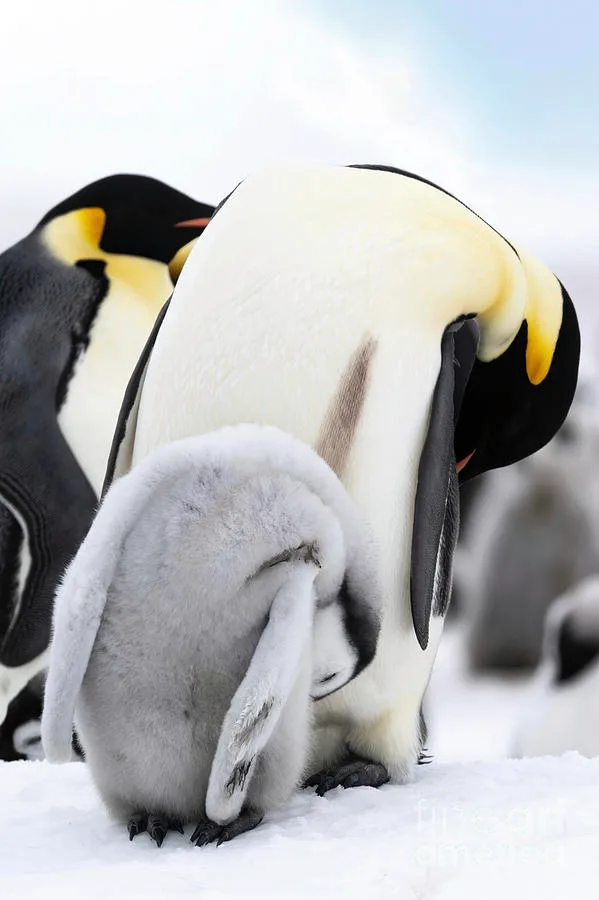
Image source: Bing (Web (fair-use with source credit))
Do Penguins Mate for Life? Let's Dive In!
You've probably seen those adorable penguin pictures, and maybe you've wondered, "Do penguins mate for life?" It's a sweet thought, right? Like a real-life rom-com in the Antarctic. Well, the answer isn't quite a simple "yes" or "no." It's a little more complicated, and honestly, that's what makes it so fascinating.
Think about it, penguins live in some pretty harsh environments. Staying with the same partner season after season can be a huge advantage. It means less time and energy spent searching for a new mate each year, and you already have a nest site and a bond with someone who knows the ropes.
Quick Answer: It Depends on the Penguin
Not all penguins mate for life. While some species form strong, long-term pair bonds, others are serial monogamists. Their mating strategies vary based on species and environmental pressures.
Emperor and King Penguins: The Dedicated Romantics
When you picture penguins sticking together through thick and thin, you're often thinking of species like the Emperor Penguin or the King Penguin. These birds are well-known for their impressive dedication. In our research, it's clear that Emperor Penguins, in particular, often return to the same mate for multiple breeding seasons.
This long-term pair bonding isn't just for show; it's a survival strategy.
The immense effort required for breeding in their extreme environments, think brutal cold and long journeys for food, makes maintaining a partnership highly beneficial. It streamlines the process of raising chicks. Instead of expending energy finding a new partner, building trust, and establishing a nesting territory from scratch each year, they can focus on the shared task of reproduction.
This shared history and experience can lead to more successful chick rearing.

Image source: Bing (Web (fair-use with source credit))
This level of mate fidelity is a significant evolutionary advantage for them. It ensures that their valuable breeding time and energy are used as efficiently as possible. When a pair bond is established and successful, it's often worth the effort to maintain it.
It’s like having a well-practiced team; they know each other's strengths and weaknesses, making them a formidable unit against the challenges of their habitat.
Adélie and Gentoo Penguins: More Flexible Pair Bonds
On the other hand, you have species like the Adélie Penguin and the Gentoo Penguin, which show a more flexible approach to relationships. While they certainly form strong pair bonds for a breeding season, and sometimes this bond can extend beyond a single year, they are more inclined to find a new partner if necessary.
This doesn't mean they're any less committed during the breeding season itself. They'll still go through courtship rituals, build nests, and work together to raise their chicks. However, if their previous partner doesn't return to the colony, or if they experienced a particularly poor breeding outcome, they might seek a new mate the following season.
This adaptability can be crucial in environments where survival isn't always guaranteed.
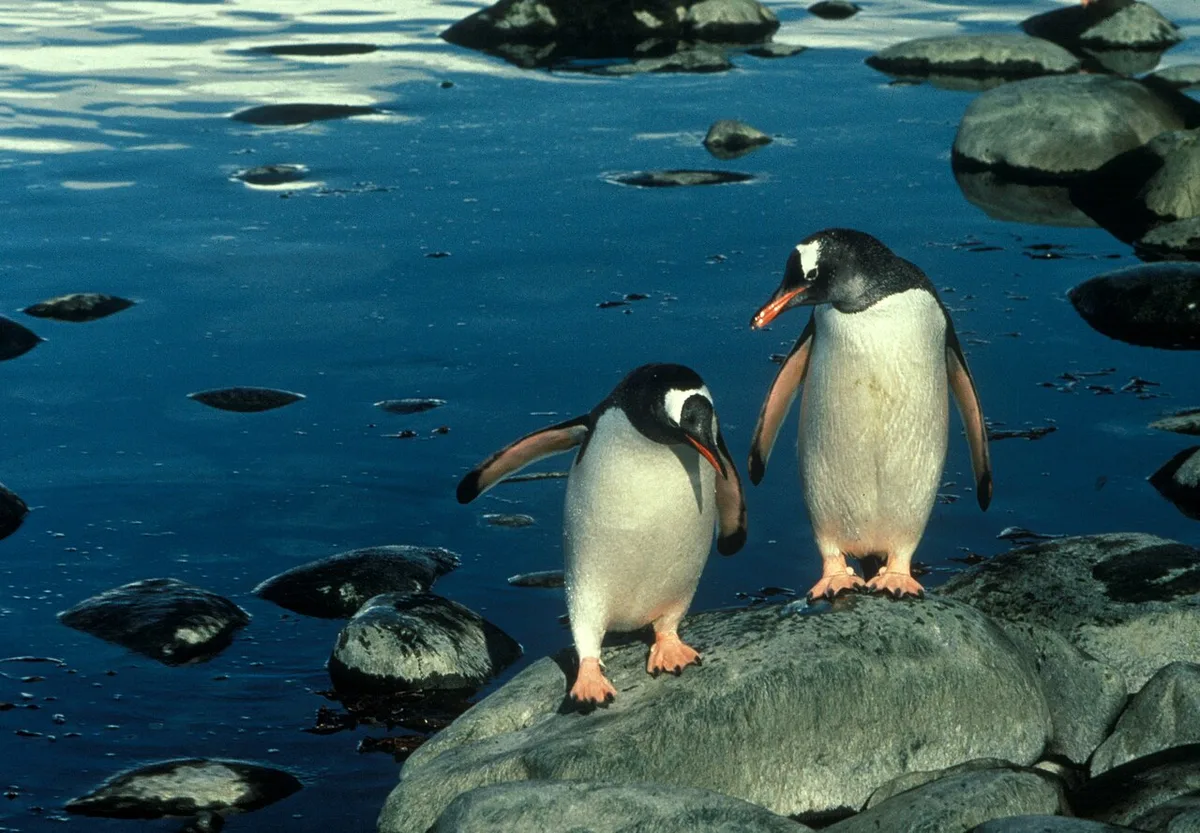
Image source: Wikimedia Commons / NOAA Photo Library
Their mating strategy reflects a pragmatic approach to reproduction. If the existing partnership isn't yielding results or if circumstances change, they are equipped to change course. This flexibility allows them to maximize their chances of passing on their genes over their lifetime, even if it means changing partners more frequently than their more steadfast cousins.
It's a different kind of strategy, but one that's equally effective in its own context.
Why Do Mating Strategies Differ?
The variations in penguin mating strategies, from lifelong devotion to seasonal pairings, aren't random. They're the result of millions of years of evolution, shaped by the specific environmental pressures each species faces. Think of it as nature's way of finding the most efficient solution for survival and reproduction in diverse conditions.
Several key factors influence whether a penguin species leans towards long-term monogamy or serial monogamy:
- Resource Availability: In areas where food is scarce or unpredictable, the energy cost of finding and courting a new mate each year can be prohibitive. Species like Emperor Penguins face extreme food challenges during their breeding cycle, making a stable partnership advantageous.
- Nest Site Competition: For penguins that breed in crowded colonies with high competition for prime nesting locations, maintaining a territory with a known partner can be easier than re-establishing one annually.
- Predation Risk: If predators are a significant threat, a pair that has successfully defended its nest and offspring in previous years might have a higher survival rate for their chicks.
- Lifespan and Age at First Breeding: Species with longer lifespans and those that start breeding later might benefit more from long-term pair bonds, as they have more opportunities to invest in a single, successful partnership.
Research from institutions like the National Oceanic and Atmospheric Administration (NOAA) highlights how these ecological factors drive behavioral adaptations across different bird species. The success of a particular mating strategy is intrinsically linked to the specific challenges and opportunities present in a species' habitat.
What Mating for Life Means for Penguin Survival
For species that exhibit long-term pair bonds, like the Emperor and King penguins, this form of monogamy offers distinct advantages that directly contribute to their survival and reproductive success. It’s not just about companionship; it’s a finely tuned strategy that maximizes their chances in harsh environments.
One of the most significant benefits is the efficiency in breeding. Finding a mate, establishing a territory, and going through courtship can be energetically costly. For a species that might only breed once a year or even less frequently, having a returning partner means they can bypass much of this initial phase.
They already know each other, have likely established a communication system, and can focus immediately on nest preparation and chick-rearing.
Furthermore, there's a learned advantage. Pairs that have successfully raised chicks in previous seasons have a proven track record. They understand the rhythms of incubation, the demands of feeding a growing chick, and how to defend their nest site.
This accumulated experience can lead to higher chick survival rates compared to a newly formed pair. It's like an experienced parenting team versus first-time parents, the former often has a smoother journey.
This dedicated approach also fosters greater nest site security. In highly competitive breeding colonies, having a partner who has defended that specific spot with you before can be crucial. It reduces the chances of losing a prime nesting location to rivals.
For species like the Emperor Penguin, which undertakes incredibly arduous journeys and faces extreme weather, this stable partnership is fundamental to successfully bringing chicks into the world.
Real-World Observations: Tracking Penguin Partnerships
Observing penguin relationships over multiple years provides fascinating insights into their mating behaviors. Researchers often use banding or flipper tagging on individual penguins to identify them and track their pairings season after season. This allows for detailed studies on mate fidelity and the factors influencing partnership changes.
For example, studies on Adélie Penguins in Antarctica, conducted by organizations like the U.S. Antarctic Program, have shown that while some pairs do reform year after year, there's also a notable rate of partner switching. If a penguin’s mate from the previous year doesn’t return to the colony, it will typically seek a new partner.
This highlights the pragmatic nature of their relationships; survival and successful breeding often take precedence over a rigid commitment.
In contrast, research on King Penguins has documented instances of individuals returning to the exact same mate for over a decade. This level of dedication is remarkable and speaks to the strong bond that can form. These long-term partnerships are particularly important for species like the King Penguin, where chick-rearing can take a very long time, sometimes over a year from hatching to independence.
Having a consistent partner to share the incubation and feeding duties is vital.
These ongoing observations, often spanning decades, paint a complex picture. We see that while the romantic ideal of "mating for life" holds true for some penguin species, for others, it's more about finding the best available partner for the current breeding season and making the most of that opportunity. The data collected from these long-term field studies is invaluable for understanding avian reproductive strategies.