How Long Do Penguins Live

Image source: Bing (Web (fair-use with source credit))
Ever wondered about the lifespan of those charismatic waddling birds? The answer to how long do penguins live isn't a simple number, as it depends heavily on the species and whether they're in the wild or a protected environment. It’s a bit like asking how long a cat lives; some live longer than others!
In our research, we've found that many common penguin species can reach impressive ages, often living for 15 to 20 years in their natural habitats. Some individuals have even been observed to live into their early twenties. This is a solid benchmark, but significant variations exist.
Quick Answer: Penguin Lifespans & Key Factors
Penguins typically live between 15 to 20 years in the wild. Captive penguins often live longer, reaching 20 to 30 years or more. Lifespans vary by species and are influenced by factors like food, predators, and environment.
Species vs. Setting: Wild vs. Captive Lifespans
When we talk about how long penguins live, it's crucial to separate their experiences in the wild from their lives in zoos or aquariums. This distinction makes a big difference in their longevity. Protected environments offer a consistent quality of life that's hard to match in nature.
Wild Penguin Life Expectancy
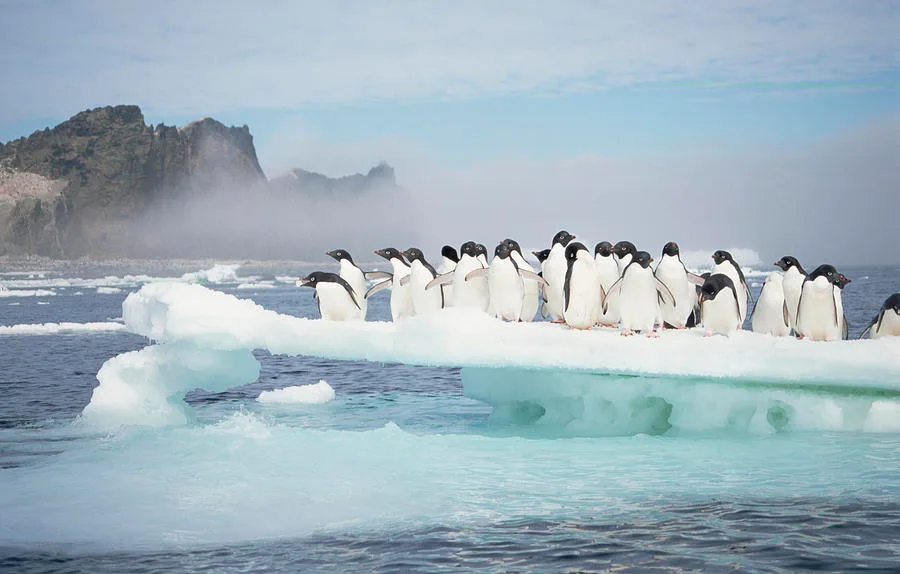
Image source: Bing (Web (fair-use with source credit))
In the wild, a penguin's life is a constant challenge. They face everything from finding enough food to avoiding predators and surviving extreme weather. For many of the larger species, like the Emperor or Adélie penguin, living 15 to 20 years is a good, solid run.
This timeframe is based on observations and tracking studies conducted by wildlife researchers. For instance, studies often cite the Emperor Penguin reaching around 20 years in the wild.
Key factors impacting wild lifespan include:
- Food availability: Access to krill, fish, and squid directly affects health and survival.
- Predator threats: Seals, sharks, and seabirds pose significant risks, especially to chicks.
- Environmental changes: Ice melt, storms, and ocean temperature shifts can impact breeding grounds and food sources.
Captive Penguin Life Expectancy
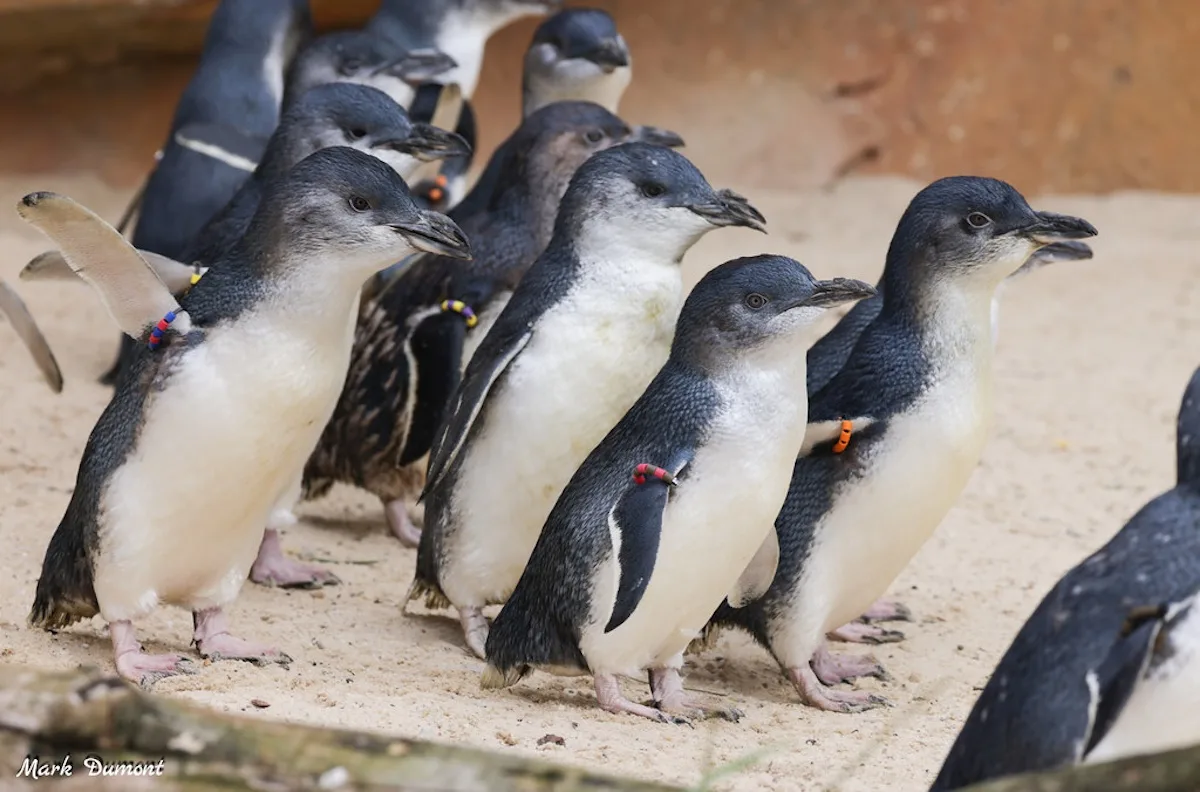
Image source: Bing (Web (fair-use with source credit))
Zoos and aquariums offer penguins a much more predictable and protected existence. Here, they are shielded from natural predators, receive a carefully managed diet, and have access to veterinary care. It's not uncommon for penguins in these settings to surpass their wild counterparts, with many species regularly living for 20 to 30 years.
Some individuals have even been documented living beyond 30 years, demonstrating the benefits of a controlled environment. For example, research from institutions like the Association of Zoos and Aquariums (AZA) tracks these life histories and consistently shows increased longevity in managed care.
Benefits of captive environments include:
- Consistent food supply: Regular meals ensure proper nutrition.
- Veterinary care: Prompt treatment for illnesses or injuries.
- Predator protection: A safe haven from natural threats.
What Influences How Long a Penguin Survives?
Beyond just the species and whether they're in the wild or captivity, a number of critical factors play a role in a penguin's individual lifespan. These elements can significantly shorten or, in some cases, extend how long a penguin gets to live. It's a complex web of survival.
The Impact of Predators and Food Availability
Predation is a major hurdle for penguins, especially when they are young and more vulnerable. In the ocean, sharks and leopard seals are significant threats. On land or nesting grounds, skuas and other birds can prey on eggs and chicks.
The density and behavior of these predators directly influence survival rates. Equally important is food availability. A consistent, abundant food supply means healthier adults and chicks that are better equipped to survive their first year.
When fish populations decline due to overfishing or environmental changes, penguins can struggle to find enough to eat, leading to malnutrition, reduced breeding success, and a shorter overall lifespan. This is particularly evident in populations facing changing ocean conditions.
Environmental Challenges and Disease
The environments penguins inhabit are often harsh and unforgiving. Extreme cold, powerful storms, and the stability of sea ice (crucial for species like the Emperor penguin) all present daily survival challenges. For instance, changes in sea ice extent can disrupt hunting grounds and nesting sites, impacting breeding success and chick survival.
Disease is another factor that can dramatically affect a penguin's life. While many wild populations have adapted to common pathogens, new diseases or outbreaks can spread quickly through dense colonies, leading to significant mortality. Public health organizations like the World Organisation for Animal Health (WOAH) monitor and report on disease outbreaks in animal populations globally, sometimes including bird species.
Real-World Lifespan Examples by Species
The vast diversity among penguin species means their lifespans can differ considerably. Understanding these variations gives us a clearer picture of what "average" really means in the penguin world. It’s not a one-size-fits-all answer, and some species are built for a longer haul than others.
Emperor & Adélie Penguins: The Antarctic Giants
The iconic Emperor Penguin (Aptenodytes forsteri) is the largest of all penguin species, and their tough Antarctic life often allows them to live between 15 to 20 years in the wild. Some studies have tracked individuals living up to 25 years. Their sheer size and adaptations to extreme cold help them survive, but they are still vulnerable to sea ice changes.
The Adélie Penguin (Pygoscelis adeliae), a smaller but equally hardy Antarctic resident, has a similar wild lifespan, typically ranging from 15 to 20 years. Their survival is closely tied to the abundance of krill and small fish in the Southern Ocean.
Little Blue Penguins: The Smallest Survivors
In stark contrast, the Little Blue Penguin (Eudyptula minor), also known as the Fairy Penguin, is the smallest penguin species. Due to their tiny size, they face greater predation risks and a generally shorter lifespan in the wild, often living between 6 to 10 years. However, like their larger cousins, when housed in protected environments such as zoos or wildlife sanctuaries, their life expectancy can be significantly extended, sometimes reaching into the late teens or early twenties.
This highlights the protective benefits of managed care for smaller, more vulnerable species.
Frequently Asked Questions About Penguin Lifespans
How long does the Emperor penguin live in the wild?
Emperor penguins typically live for about 15 to 20 years in their natural Antarctic habitat.
Can penguins live longer than 30 years?
Yes, while uncommon in the wild, some penguin species in captivity have been documented to live well over 30 years due to consistent care and protection.
What is the average lifespan for all penguin species?
There isn't one single average for all species, but for many common species in the wild, it's around 15 to 20 years, with significant variation for smaller or larger penguins.
Does diet affect how long penguins live?
Absolutely. A consistent and nutrient-rich diet is crucial for a penguin's health, reproductive success, and overall survival, directly impacting its lifespan.
Are penguins in zoos healthier than wild penguins?
Generally, penguins in zoos receive better nutrition and veterinary care, which often leads to longer lifespans and better health outcomes compared to their wild counterparts facing natural challenges.
Understanding Penguin Longevity for Conservation
The data on penguin lifespans, whether observed in the wild or meticulously recorded in managed care, provides invaluable insights for conservation efforts. Understanding how long these species are meant to live, and the factors that shorten or extend that time, is fundamental to protecting them. Knowing that wild populations face intense pressures from predation and environmental shifts means conservationists can focus on mitigating these threats.
For example, tracking individual penguins and studying their mortality rates helps identify critical habitats or periods where interventions might be most effective. As of 2026, ongoing research continues to refine our understanding of these life cycles.
Moreover, the success stories from zoos and aquariums, where penguins consistently live longer lives, offer valuable lessons. These insights can inform strategies for habitat restoration, anti-poaching initiatives, and the creation of marine protected areas designed to replicate the safety and resource availability that contribute to longer, healthier lives for wild populations. This information is vital for setting realistic conservation goals and appreciating the challenges these incredible birds face.