What Toys Do Rabbits Like to Play With?
So, you're wondering what kind of toys will make your bunny's ears perk up? It's a fantastic question, and the answer is all about tapping into their natural instincts. Keeping your rabbit entertained isn't just about fun; it's crucial for their health and happiness.
Giving them the right playthings helps prevent boredom and keeps their minds and bodies engaged.
Giving rabbits appropriate toys is a key part of responsible pet ownership, as recommended by veterinary professionals. For instance, per standards in animal welfare, continuous chewing opportunities are vital for a rabbit's dental health, as their teeth grow throughout their lives. We've dug into what works best, so you can provide your furry friend with plenty of stimulating activities.
Why Toys Are Essential for Your Rabbit's Well-being
Toys aren't just decorative items for your rabbit; they are fundamental to their physical and mental health. Think of them as essential enrichment tools that cater to a rabbit's innate behaviors. Without adequate stimulation, a rabbit can become withdrawn, destructive, or even physically unwell.
Providing a variety of toys addresses these needs directly.
Keeping Minds Sharp and Bodies Active
Boredom is a real issue for intelligent animals like rabbits. When left with nothing to do, they can develop stress-related behaviors or become lethargic. Toys encourage activity, whether it's chasing a ball, burrowing through a tunnel, or figuring out how to get a treat.
This physical activity is vital for maintaining a healthy weight and preventing digestive issues, which are common concerns in pet rabbits.
Satisfying Natural Instincts: Chewing, Digging, Foraging
Rabbits have strong natural drives that need outlets. Chewing is critical for wearing down their continuously growing incisors and molars. Digging is a primal behavior, often expressed by burrowing.
Foraging, or searching for food, is how they'd spend much of their day in the wild. The right toys allow them to express these behaviors safely and constructively. For example, manufacturer specifications often highlight the need for chewable items to support dental health, ensuring teeth don't overgrow.
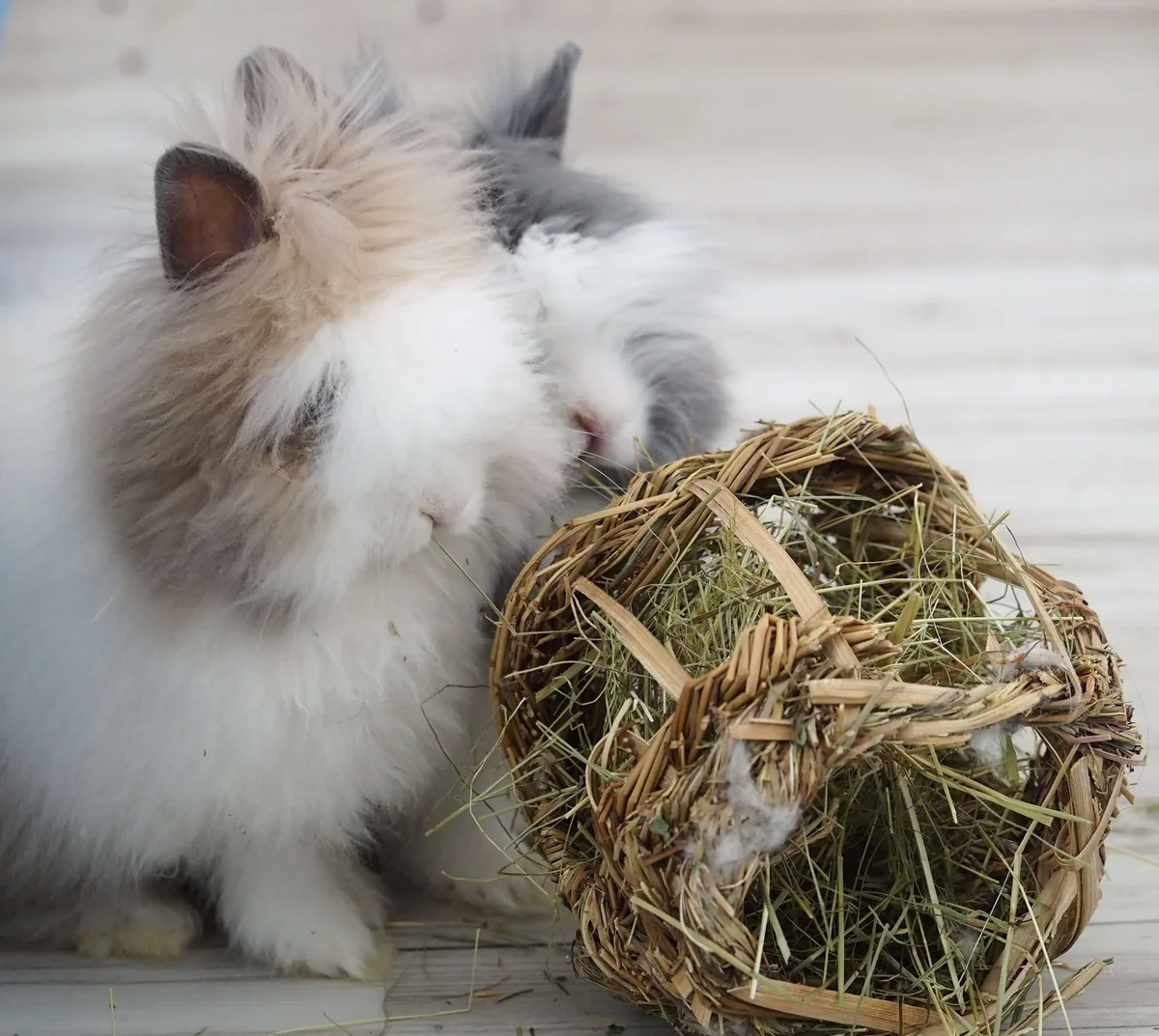
Image source: Bing (Web (fair-use with source credit))
Best Chew Toys for Your Rabbit: Safe and Satisfying
Chewing is non-negotiable for rabbits. Their teeth grow constantly, and without safe things to gnaw on, they can develop painful dental problems. Providing a variety of chewable items is one of the most important aspects of rabbit toy selection, ensuring their overall health.
Untreated Woods and Natural Materials
Safe, untreated wood is a top choice. This includes items made from willow, applewood, or aspen. Many pet supply companies offer woven balls, sticks, or chew blocks made from these materials.
Always ensure the wood is completely untreated and free from pesticides or glues. Aggregate reviews from pet owners often highlight willow balls as a universal favorite among rabbits for their shreddability and satisfying texture.
Cardboard Creations: Simple Fun
Don't underestimate the power of good old cardboard! Plain, unprinted cardboard boxes are a huge hit with most rabbits. They love to shred them, chew them, and hide inside them.
You can make simple toys by cutting holes in a box or by stuffing a toilet paper roll with hay. As a safety note, always remove any tape, staples, or labels before giving cardboard to your rabbit.
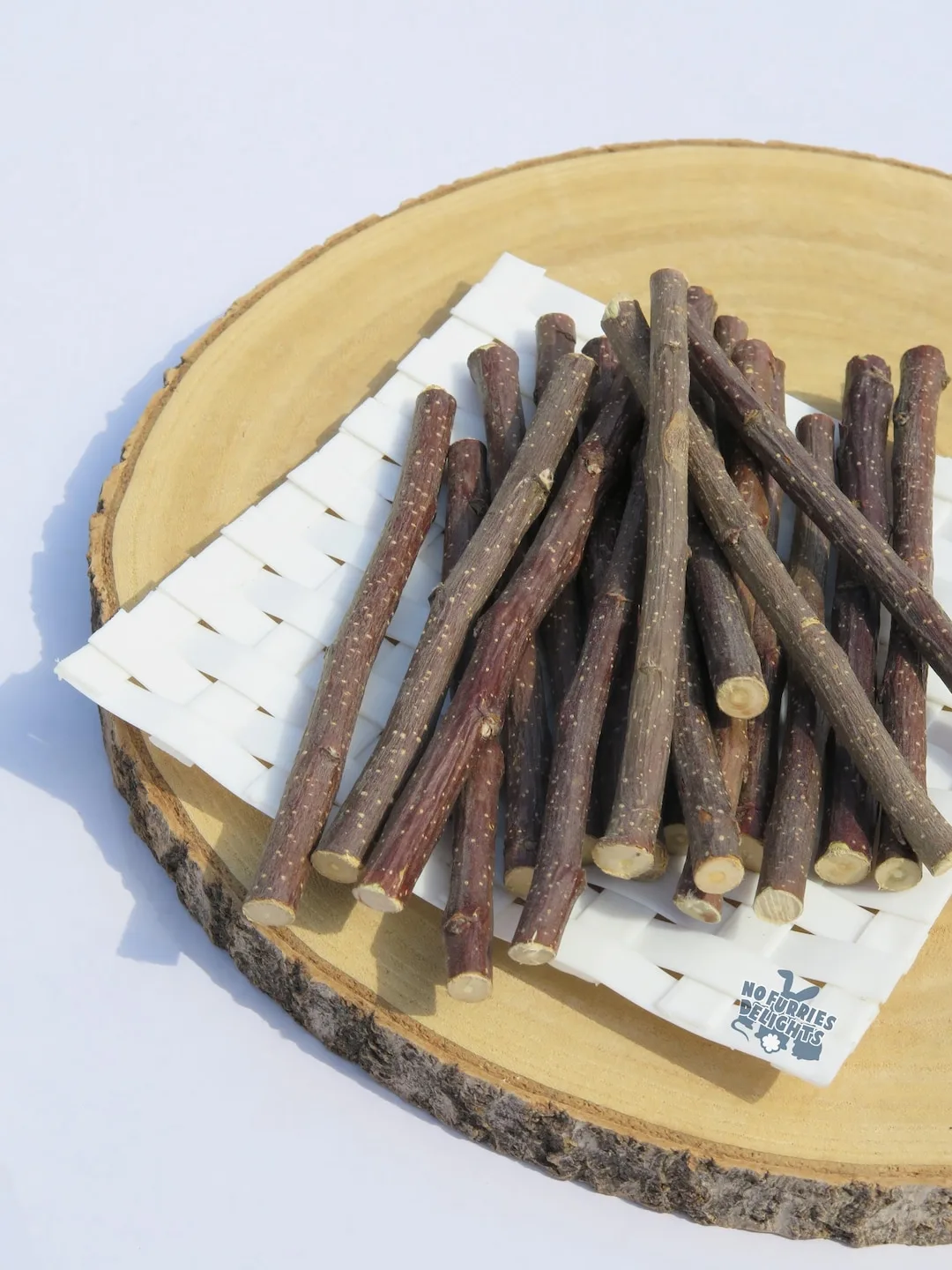
Image source: Web (Bing) / etsy.com (Web image (fair-use with source credit))
Foraging and Puzzle Toys: Engaging Your Rabbit's Brain
Rabbits are naturally curious and love to "work" for their food. Foraging and puzzle toys tap into this instinct, providing significant mental stimulation. These toys can make mealtime more engaging and prevent your rabbit from gobbling their food too quickly.
How Foraging Toys Work
Foraging mats are designed with multiple pockets, folds, or nooks where you can hide small treats or kibble. Your rabbit must use their nose and paws to root around and uncover the hidden goodies. This mimics the natural process of searching for food in their environment.
Some manufacturers, like those adhering to humane toy design principles, create mats with varying levels of difficulty to keep rabbits engaged over time.
Puzzle Feeders for Smart Bunnies
Puzzle feeders are another excellent option. These toys usually involve moving parts, levers, or openings that a rabbit must manipulate to release a treat. They require problem-solving skills and can keep a rabbit occupied for extended periods.
When selecting a puzzle feeder, it’s important to start with simpler designs and observe your rabbit's ability to interact with it. If a puzzle is too complex, it can lead to frustration rather than enjoyment.
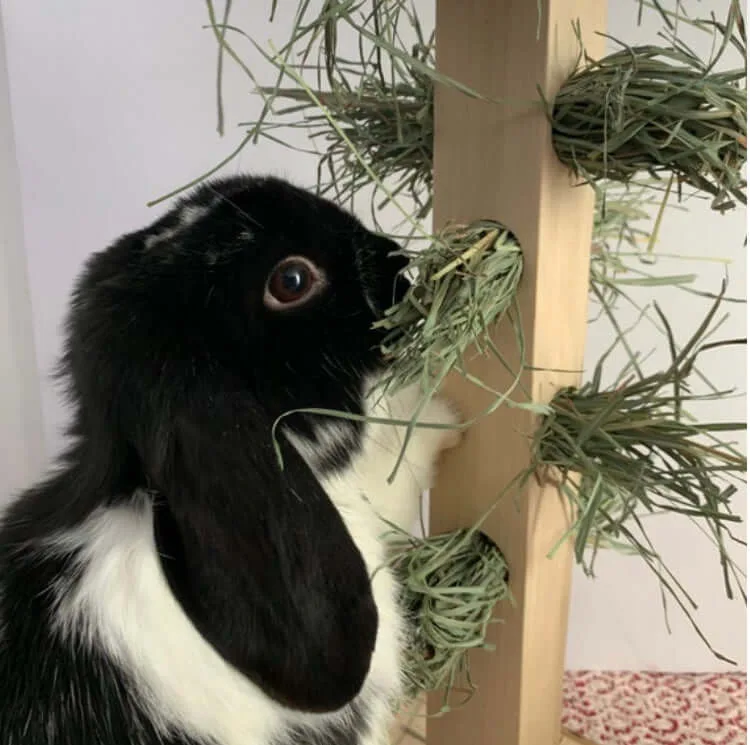
Image source: Bing (Web (fair-use with source credit))
Digging Boxes: A Safe Outlet for Natural Instincts
Digging is a powerful instinct for rabbits, stemming from their ancestral need to create burrows for shelter and safety. Providing a dedicated digging box allows them to satisfy this urge without destroying your carpets or furniture. It's an essential component for a well-rounded rabbit enrichment plan.
A sturdy, shallow plastic bin or a large cardboard box works well as a digging box. You can fill it with a variety of safe materials. Options include plain shredded paper (ensure it's ink-free), crumpled paper bags (again, no ink or tape), or a generous amount of soft hay.
Some owners even use organic, rabbit-safe potting soil, though this can be messier. The key is to provide a material that rabbits can easily dig and displace.
Tunnels and Hideaways: Creating a Sense of Security
Rabbits are prey animals and often feel most comfortable when they have places to hide and observe their surroundings from a safe distance. Tunnels and enclosed spaces provide this security, reducing stress and encouraging exploration. They serve as both a retreat and a play area, catering to a rabbit's innate need for shelter.
You can easily create these environments using readily available items. Large cardboard boxes with a few strategically cut holes are perfect. Fabric tunnels, often made from fleece or durable synthetic materials, are also popular.
Ensure any fabric item has no loose threads that could be ingested. Woven grass tunnels offer a natural alternative. These provide a sense of safety while still allowing you to observe your rabbit's playful interactions.
What Toys to Avoid: Safety First
When selecting toys for your rabbit, safety should always be the top priority. Not all items marketed as pet toys are suitable for bunnies, as some can pose serious health risks if ingested or if they break into dangerous pieces. Understanding these potential hazards helps you make informed choices and protect your pet.
Identifying Dangerous Materials and Designs
Soft plastics are a significant concern because rabbits can chew off and swallow small pieces. This can lead to gastrointestinal blockages, which are often life-threatening and require emergency veterinary intervention. Similarly, avoid toys with small, easily detachable parts, like bells, beads, or flimsy plastic elements.
Any toy that splinters easily or has sharp edges also presents a risk.
Common Mistakes Rabbit Owners Make
One common mistake is assuming any "small animal" toy is automatically safe for rabbits. Rabbits have different chewing habits and digestive systems than rodents like hamsters or gerbils. Another error is using household items that might seem harmless, such as certain types of painted wood or items with coatings that aren't food-grade.
Always verify that materials are specifically safe for rabbit consumption and use, as confirmed by veterinary guidance.
Expert Tips for Choosing and Using Rabbit Toys
Our research indicates that variety and observation are key to successful rabbit toy selection. Providing a rotating assortment of toys keeps your rabbit stimulated and prevents them from becoming bored with the same old things. As of 2026, many animal behaviorists emphasize rotating toys weekly to maintain novelty.
When introducing new toys, always supervise your rabbit initially. This allows you to see how they interact with the toy and whether any potential safety issues arise. If a toy breaks or shows signs of significant wear, it's time to replace it.
Remember that even seemingly indestructible toys will eventually need to be swapped out for safety and continued engagement.
Frequently Asked Questions About Rabbit Toys
What are the safest materials for rabbit toys?
The safest materials include untreated wood (like willow, applewood, or aspen), plain cardboard (without ink, tape, or staples), natural hay, and hard, non-toxic plastics specifically designed for rabbits. These materials cater to their chewing needs and are generally safe if ingested in small quantities, unlike soft plastics or treated woods.
How often should I replace my rabbit's toys?
You should replace rabbit toys when they show signs of significant wear, breakage, or damage. For chew toys, this might be monthly or sooner, depending on your rabbit's chewing habits. Toys that become soiled or have parts that could be a choking hazard also need immediate replacement.
Can I give my rabbit toys made for cats or dogs?
Generally, no. Most cat and dog toys are not designed with rabbit safety in mind and can contain materials or small parts that are dangerous if ingested by a rabbit. Always opt for toys specifically made for rabbits or other small herbivores, and always check material safety.
My rabbit ignores expensive toys, but loves cardboard. Is this normal?
Yes, this is very common! Rabbits often have simple preferences, and a plain cardboard box or tube can be far more appealing than a complex, store-bought toy. The key is to provide safe outlets for their natural behaviors, and if cardboard is what they love, ensure you're giving them plenty of safe options.
How do I know if a toy is too difficult for my rabbit?
If your rabbit shows signs of frustration, such as pawing aggressively at a puzzle toy without success, abandoning it quickly, or becoming agitated, it might be too difficult. Start with simpler puzzles and gradually increase the challenge as your rabbit gains confidence and problem-solving skills.
Bringing It All Together: A Happy, Playful Rabbit
Providing the right toys for your rabbit is a fundamental aspect of ensuring they lead a healthy, happy, and enriched life. By understanding their natural behaviors and prioritizing safety, you can select a range of items that cater to their need to chew, forage, dig, and explore. Always observe your rabbit's preferences and adjust their toy selection accordingly.
A well-stimulated rabbit is a well-behaved and contented companion.


