Why Does My Rabbit Have Watery Eyes?
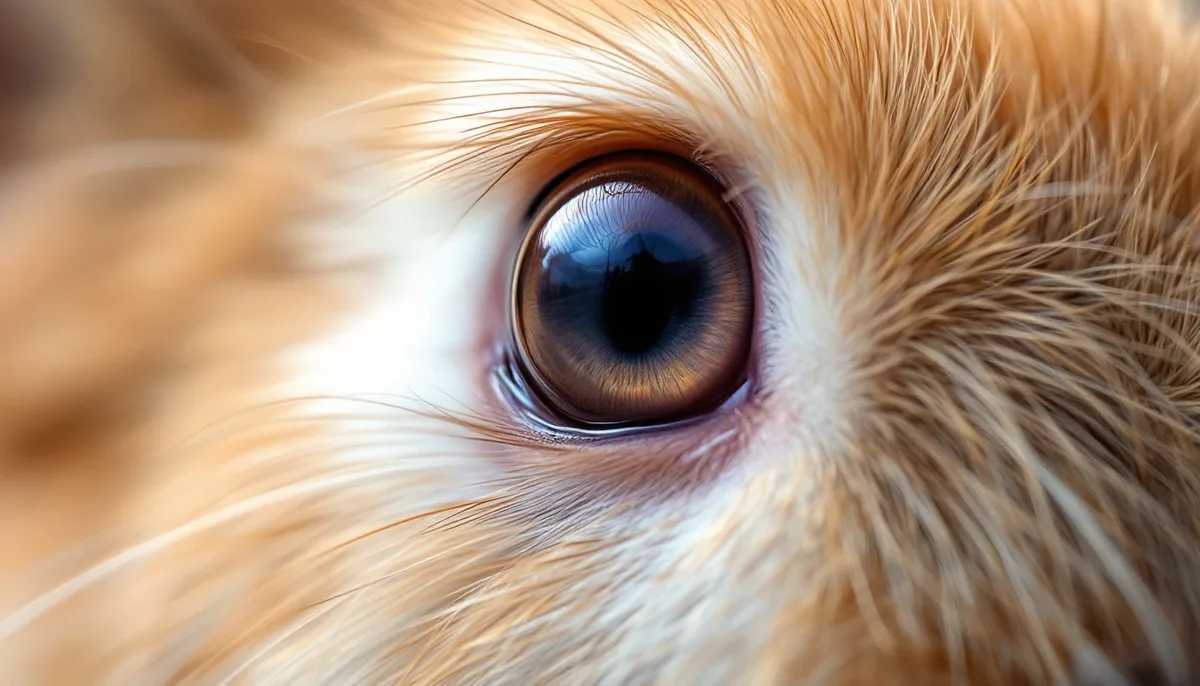
Image source: Bing (Web (fair-use with source credit))
Hey there! Noticed your bunny's eyes are a bit more watery than usual? It's totally natural to get concerned when our furry companions aren't quite themselves.
Let's chat about what might be going on, because this isn't usually a simple case of "just tears."
For rabbits, watery eyes can signal a range of issues, from simple irritations to more serious health concerns. As of 2026, veterinary sources emphasize that prompt attention is key. This guide will walk you through the common causes and what steps you should take to ensure your rabbit stays healthy and happy.
Quick Answer
Watery eyes in rabbits often stem from dental problems, eye infections, or environmental irritants. Blocked tear ducts are a frequent culprit, often caused by overgrown teeth pressing on them. Clear discharge may indicate irritation, while colored discharge points to infection.
It's crucial to consult a rabbit-savvy veterinarian for an accurate diagnosis and treatment plan.
Potential Causes of Watery Rabbit Eyes
When your rabbit's eyes are weepy, it's usually their body's way of signaling that something isn't right. It's rarely just a passing mood! Our research indicates that multiple factors can lead to this common sign of distress in our lagomorph friends.
Understanding these possibilities is the first step in helping your bunny.
- Dental Disease: This is a surprisingly common cause. Rabbit teeth grow continuously, and if they become overgrown, misaligned, or fractured, they can press on the nasolacrimal ducts. These ducts are responsible for draining tears from the eyes. When they're compressed or blocked, tears can't drain properly, leading to overflow and watering. You might not see obvious external signs of dental issues at first, making this a hidden culprit.
- Infections: Bacterial or viral infections can affect the eyes directly, causing inflammation and increased tear production. This can include conjunctivitis, often called "pink eye" in humans, which makes the eye red and the discharge thicker. Sometimes, an infection elsewhere in the body can also manifest with ocular symptoms.
- Environmental Irritants: Rabbits have sensitive eyes. Things like dusty bedding, strong-smelling cleaners, air fresheners, or even fine hay particles can irritate their eyes and cause them to water as a protective response. It’s why what is the best bedding for rabbits? is such an important question for their overall well-being.
- Physical Injury: A scratch from another rabbit during play, rough handling, or even rubbing their eye vigorously against cage bars can cause irritation and lead to watery eyes.
- Eyelid Abnormalities: In some cases, the rabbit's eyelid might not be positioned correctly. This can be a congenital issue or develop over time, leading to chronic irritation and tearing because the eyelid isn't properly protecting or clearing the eye surface.
Understanding Rabbit Eye Anatomy & Function
To really grasp why watery eyes are a concern, it helps to quickly understand how a rabbit's eyes work. Their eyes are positioned on the sides of their head, giving them a wide field of vision that's great for spotting predators. This placement means their eyes are also more exposed to potential irritants.

Image source: Bing (Web (fair-use with source credit))
A key part of their ocular system is the nasolacrimal duct system. This is essentially a drainage network, much like ours, that carries tears away from the eye's surface and into the nasal passages. A healthy system keeps the eye moist without causing overflow.
However, any issue that obstructs these ducts or overstimulates tear production can lead to that noticeable watering.
This delicate balance is why even small changes can have a significant impact. The surface of the eye, the tear film, and the drainage pathways all need to function optimally. When any part of this system is disrupted, watering is often one of the first signs our rabbits show us.
When Watery Eyes Signal a Bigger Problem: Red Flags
While a little bit of moisture might seem minor, certain signs indicate that your rabbit's watery eyes are more than just a fleeting irritation. These red flags suggest a more serious underlying condition that needs immediate veterinary attention. Ignoring them can lead to significant pain, vision loss, or even systemic illness for your pet.
- Discharge Color and Consistency: Clear, watery discharge can sometimes be a sign of mild irritation or a simple blockage. However, if the discharge becomes thick, opaque, yellow, or green, it strongly suggests a bacterial infection. This requires prompt antibiotic treatment.
- Eye Redness and Swelling: If you notice the whites of your rabbit's eyes are red, or if the eye area appears swollen, it's a clear sign of inflammation or infection. The eye itself may also look cloudy or have a hazy appearance, indicating potential corneal damage.
- Behavioral Changes: A rabbit that is squinting, holding an eye partially or fully closed, or pawing at its face is almost certainly experiencing pain or discomfort. These are urgent symptoms that demand professional assessment. Lethargy, loss of appetite, or changes in posture also accompany more serious health issues.
- Duration and Progression: If the watery eyes persist for more than a day or two, or if they seem to be getting worse rather than better, it's a strong indication that home remedies or waiting it out isn't the answer. These symptoms often worsen without appropriate medical intervention.
- Accompanying Symptoms: Watery eyes can sometimes be linked to other health issues. If your rabbit is also sneezing, has nasal discharge, or seems generally unwell, this could point to a respiratory infection that is also affecting the eyes, as seen in some conditions. This interconnectedness highlights why a vet's broad assessment is crucial.
The Critical Role of Veterinary Diagnosis
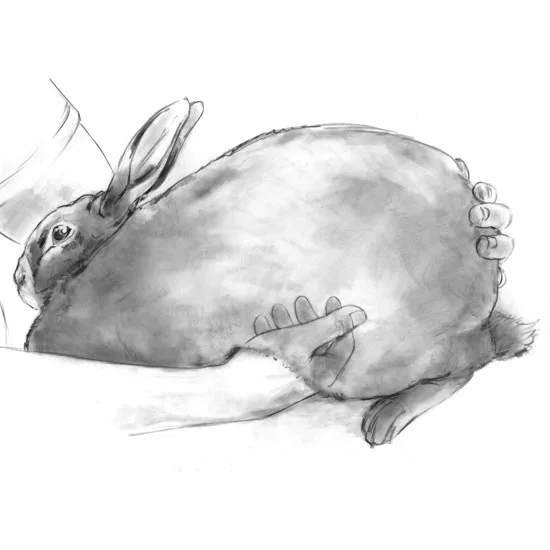
When you notice your rabbit has watery eyes, the most important next step is to consult a veterinarian who has experience with rabbits. Rabbits are prey animals, and they are masters at hiding illness and pain. What might seem like a minor issue to us can be a significant health concern for them.

Image source: Web (Bing) / rabbit.org (Web image (fair-use with source credit))
A veterinarian will perform a thorough physical examination, paying close attention to your rabbit's overall condition, weight, and demeanor. They will then conduct a specific ocular exam to assess the extent of the watering, check for redness, swelling, or discharge, and evaluate the clarity of the cornea and lens. Crucially, they will also perform a dental examination.
Overgrown teeth are a frequent cause of nasolacrimal duct blockage, and a vet can identify this by looking inside the rabbit's mouth, often requiring specialized tools.
Depending on the findings, your vet might recommend further diagnostic tests. These could include a fluorescein stain test to check for corneal scratches or ulcers, or even a gentle flush of the tear ducts to see if they are blocked and to collect any fluid for analysis. This systematic approach ensures that the treatment targets the actual cause, rather than just managing the symptom of watery eyes.
Making sure you're seeing a rabbit-savvy vet is key; their specialized knowledge can mean the difference between a quick recovery and a prolonged illness.
What Your Rabbit Vet Will Do to Help
Once your veterinarian has diagnosed the cause of your rabbit's watery eyes, they'll create a treatment plan tailored to your bunny's specific needs. The approach will vary significantly based on whether the issue is dental, infectious, environmental, or due to injury. It’s vital to follow their instructions precisely for the best outcome.
Here’s a general idea of what to expect during a veterinary visit and the potential treatments:
- Thorough Examination: As mentioned, this includes a full physical and dental check. The vet will look for any signs of infection, inflammation, or injury. They will also assess the rabbit's overall health, as conditions like how do you care for a baby rabbit? require a delicate approach.
- Diagnostic Tests: If a blockage is suspected, a gentle flush of the tear ducts might be performed. A fluorescein stain can highlight corneal abrasions. Lab tests on any discharge can identify specific bacteria, guiding antibiotic choices.
- Treatment for Dental Issues: If overgrown teeth are the culprit, they will need to be trimmed or filed down. This is a common procedure but may require sedation, and ongoing dental care is essential. Regular dental check-ups are a part of maintaining good how much does it cost to own a rabbit? for long-term health.
- Medication for Infections: Bacterial infections are typically treated with a course of antibiotics, often administered as eye drops or oral medication. Viral infections might require supportive care, and the body’s immune system will fight them off.
- Addressing Irritants: If environmental factors are the cause, your vet will advise on changes to your rabbit's living space. This might include switching to a different type of bedding, improving ventilation, or eliminating scented products in the room.
- Managing Inflammation and Pain: Anti-inflammatory medications or pain relief might be prescribed to help your rabbit feel more comfortable while they heal.
- Surgical Intervention (Rare): In severe cases of chronic blockage or eyelid abnormalities, surgery might be considered, though this is usually a last resort.
The key takeaway is that your vet is your best resource. They have the knowledge and tools to accurately diagnose and effectively treat your rabbit's eye condition.