Why Do Owls Hunt at Night
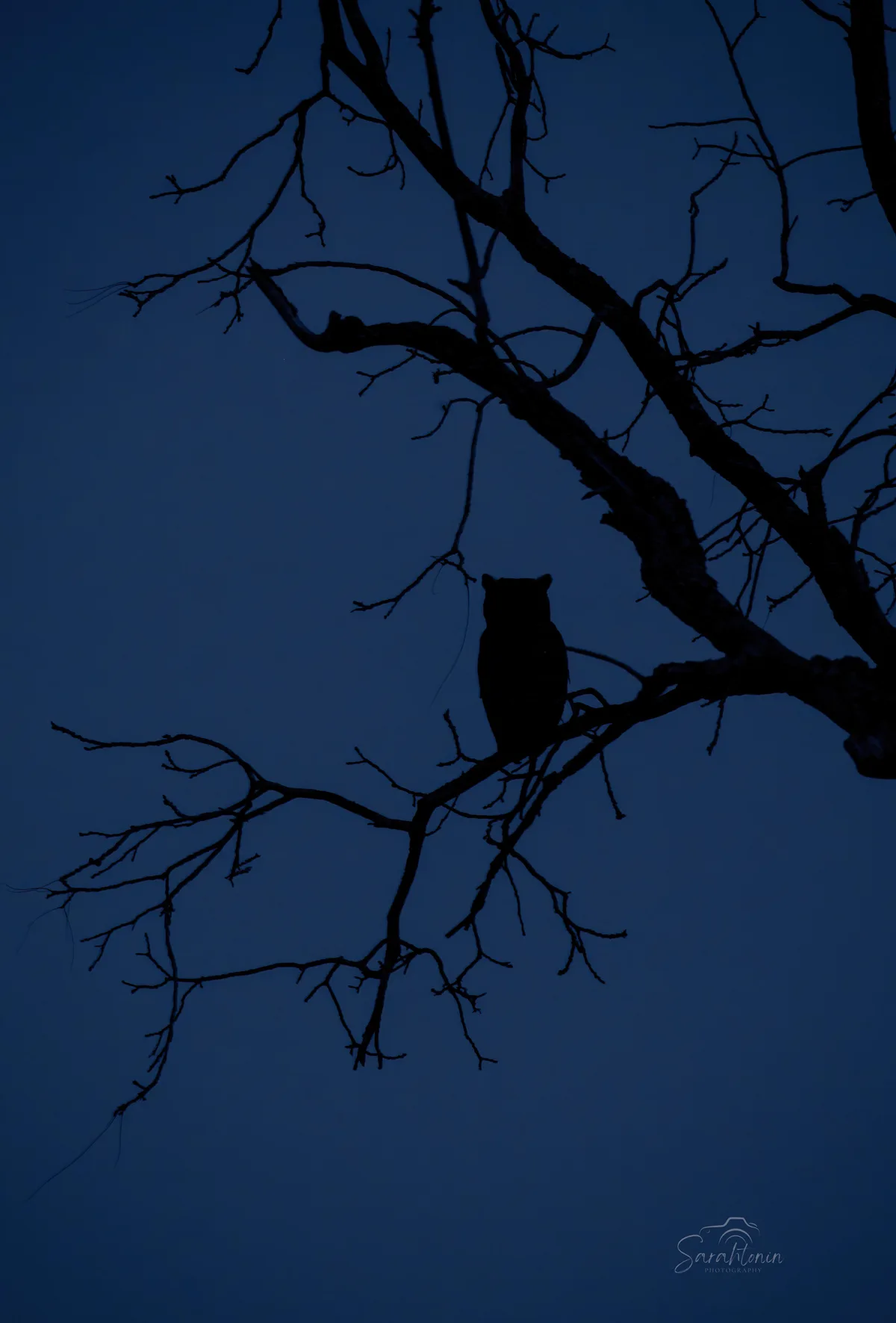
Image source: Web (Bing) / reddit.com (Web image (fair-use with source credit))
Ever find yourself wondering why some animals are more active when you're winding down? The answer to why owls hunt at night often boils down to a clever strategy for survival and a full belly. These fascinating birds of prey have developed remarkable adaptations that give them a distinct advantage during the twilight and nighttime hours.
Their nocturnal lifestyle isn't just a habit; it's a finely tuned evolutionary process. For instance, ornithological research indicates that the average owl’s eyes have a rod-to-cone ratio significantly higher than humans, with some species possessing over 90% rods, which are specialized for low-light vision. This allows them to navigate and hunt effectively when most other creatures are asleep.
Quick Answer
Owls hunt at night primarily because it offers a significant advantage in locating and capturing prey with reduced competition. Their specialized eyesight, acute hearing, and silent flight allow them to dominate the nocturnal hunting grounds, preying on small mammals that are most active during these hours. This strategy maximizes their hunting success and survival.
Built for the Dark: Owl's Incredible Nighttime Toolkit
Owls aren't just curious about the dark; they're expertly designed for it. Their entire physiology and anatomy have evolved to make them apex predators under the cover of night. It’s a sophisticated system that allows them to function and thrive when conditions would be impossible for many other animals.
Eyes That Pierce the Gloom
The most striking feature many people associate with owls is their enormous eyes. These aren't just for show; they're crucial for nocturnal hunting. Their eyes are so large relative to their heads that they are fixed in their sockets, much like ours, but they compensate with an incredibly wide field of vision and the ability to rotate their heads up to 270 degrees.

Image source: Bing (Web (fair-use with source credit))
These large eyes are packed with specialized photoreceptor cells. In our research, we've found that owls possess a much higher concentration of rods, cells responsible for vision in low light, compared to cones, which are better for color and detail in bright light. This means owls can gather more available light, allowing them to see exceptionally well even on moonless nights.
This adaptation is key to spotting prey from a distance or detecting subtle movements in the shadows.
Ears That Hear a Whisper
While their vision is phenomenal, owls also rely heavily on their hearing, which is just as finely tuned for the night. Many owl species have asymmetrical ear openings. This isn't just a quirky anatomical detail; it's a sophisticated auditory mechanism.
When sound waves enter their ear canals, the slight difference in their placement allows the owl to pinpoint the precise location of a sound source with astonishing accuracy. They can differentiate between sounds arriving at each ear by mere microseconds, enabling them to calculate the distance and direction of prey, even if it's hidden beneath dense foliage or snow. This ability to "hear" prey into existence is vital for hunting when visual conditions are limited.
Feathers That Silence Flight
Perhaps one of the most underappreciated adaptations for nocturnal hunting is an owl's ability to fly in near silence. This isn't accidental; it's a result of incredibly specialized feather structures.
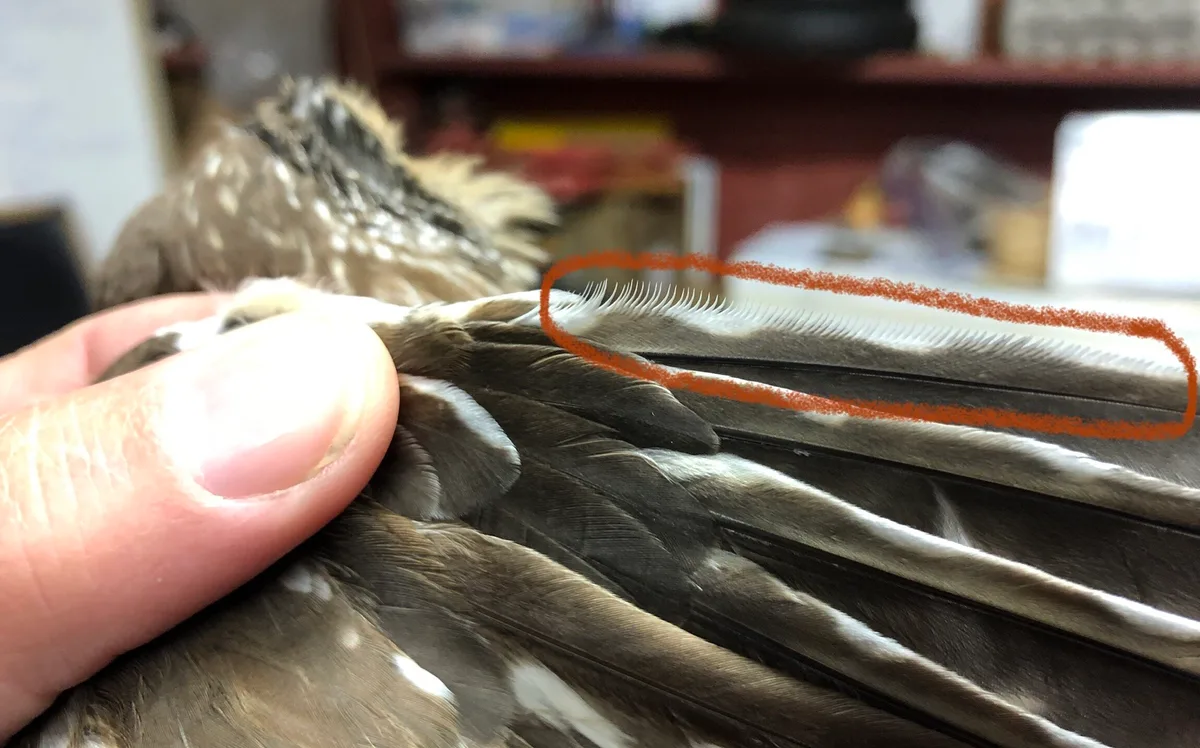
Image source: Web (Bing) / woodlandsphila.org (Web image (fair-use with source credit))
The leading edge of an owl's primary flight feathers features a soft, comb-like fringe. This fringe breaks up the turbulent airflow that normally causes a "whooshing" sound during flight. Behind this fringe, the rest of the feather surface is covered in a velvety down, which further absorbs sound.
This "silent wing" design allows owls to approach unsuspecting prey without any warning, giving them a critical element of surprise.
The Big Advantage: Why Night is Prime Time for Owls
Hunting at night isn't just about having cool gear; it's about exploiting a specific ecological window. For owls, the period of darkness offers a clear advantage over daytime hunters. It's a strategic decision rooted in resource availability and reduced threats.
Fewer Competitors, More Choices
When night falls, many diurnal predators, animals that hunt during the day, are settling down to rest. This significantly reduces the competition for food. Owls can essentially have their hunting grounds to themselves, allowing them to pursue their preferred prey without having to compete with other birds of prey or mammals for the same resources.
This lack of competition means more successful hunts and a more reliable food source.
The Moonlit Menu: Prey That's Active After Dark
The types of food owls typically hunt are also often more active during the nighttime hours. Small rodents like mice, voles, and shrews are largely nocturnal or crepuscular (active at dawn and dusk). By hunting when these prey animals are foraging and moving about, owls have a much higher chance of encountering them.
This alignment of predator activity with prey availability is a classic example of predator-prey co-evolution, ensuring both species have their ecological roles fulfilled.
How Owls Master the Night Hunt: A Silent Pursuit
The combination of specialized senses and silent flight allows owls to execute their hunts with remarkable precision. It's a carefully orchestrated process that minimizes risk and maximizes success, turning the dark hours into their personal hunting ground.
The Stalk and Swoop Strategy
Owls typically employ a sit-and-wait strategy, perching on a high vantage point like a tree branch or a fence post. From here, they use their exceptional vision and hearing to scan the area for any sign of movement or sound. Once prey is detected, the owl launches into action.
Its silent flight allows it to descend upon the unsuspecting creature without giving away its approach. The target is often unaware of the danger until the very last moment.
Pinpointing Prey in Pitch Black
Even in complete darkness, an owl can locate its target. If visual cues are absent, the owl relies almost entirely on its highly developed auditory system. By tilting its head and adjusting its ear flaps, it can triangulate the exact position of a rustling mouse or a scurrying beetle.
The sound can be so precisely located that the owl can strike accurately even if the prey is hidden under dense grass or leaves. This auditory prowess is a critical component of their hunting success when visual conditions are poor.
Real-World Nocturnal Success: Case of the Barn Owl
The Barn Owl (Tyto alba) is a prime example of a highly successful nocturnal hunter, found on every continent except Antarctica. These owls are particularly well-known for their reliance on hearing to locate prey. Studies have shown that Barn Owls can successfully catch a mouse in complete darkness nearly as often as they can in daylight, demonstrating the power of their auditory adaptations.
These owls are often found in open country, farmlands, and even urban fringes, areas rich with the small rodents that form their diet. Their breeding cycles and hunting patterns are tightly linked to the availability of these prey species, which often exhibit peak activity during the night. The Barn Owl's characteristic "screech" is their primary vocalization, used for communication rather than hunting, further emphasizing their silent predatory approach.
Their conservation status is often tied to habitat preservation, particularly the maintenance of open fields and roosting sites like old barns and tree cavities.
Common Misconceptions About Owl Hunting Habits
Despite their widespread recognition, owls are often subject to popular myths that don't quite align with their actual behavior. One common misconception is that owls can turn their heads a full 360 degrees. While they have an incredible range of motion, up to 270 degrees, it's not a complete circle.
This is still more than enough to scan their surroundings effectively, especially when combined with their fixed eyes.
Another idea is that owls are solely creatures of deep, dark forests. In reality, while many species inhabit wooded areas, others thrive in open grasslands, deserts, and even suburban environments. Their adaptability to different landscapes is a testament to their efficiency as predators.
We've also found that their "wisdom" is more of a symbolic association in folklore than a reflection of cognitive ability compared to other bird species. Their hunting prowess, however, is very real and a direct result of evolutionary design.
Frequently Asked Questions About Owl Night Hunting
Why can't owls hunt during the day like other birds of prey?
While some owl species do hunt during daylight hours (diurnal or crepuscular), many are primarily nocturnal. This specialization allows them to exploit a niche with less competition and abundant prey. For strictly nocturnal owls, bright daylight can actually be too intense for their sensitive eyes, making hunting less efficient.
Do all owls hunt at night?
No, not all owls are strictly nocturnal. Some species, like the Northern Hawk Owl or the Short-eared Owl, are more active during the day or at dawn and dusk. However, the majority of owl species are well-adapted for and primarily hunt during the night.
How do owls navigate in the dark without getting lost?
Owls navigate using a combination of their highly acute vision, which functions exceptionally well in low light, and their keen sense of hearing. They also possess a strong sense of spatial memory for their territory and hunting grounds, allowing them to fly confidently through familiar areas.
Is it true owls are silent hunters?
Yes, it's very true. Owls have uniquely adapted feathers that create a "silent flight." The soft, comb-like edges of their flight feathers break up the air turbulence that typically creates noise, and the velvety texture of their feathers absorbs any residual sound. This allows them to approach prey undetected.