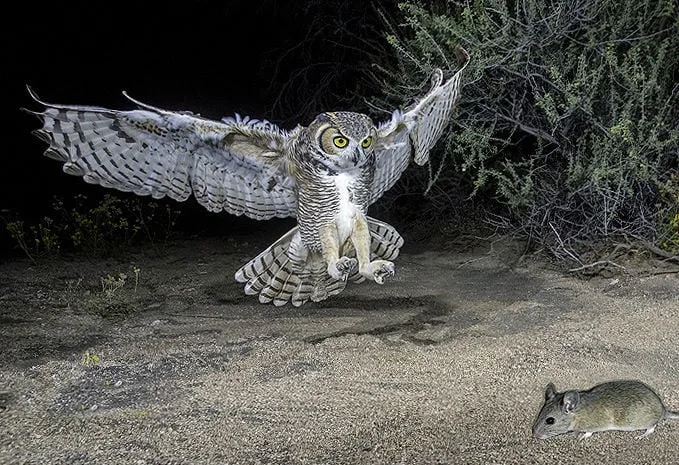
Can Golden Eagles Carry Animals

Image source: Bing (Web (fair-use with source credit))
Have you ever watched a golden eagle soar and wondered if it could carry off a large animal? It’s a common question, fueled by their incredible power and presence in the sky. While they are apex predators, the reality of what they can carry is often a bit different from the dramatic stories.
Our research into golden eagle capabilities reveals a fascinating balance between their strength and the practicalities of hunting. For instance, while some eagles can exert a grip force of over 1,000 pounds per square inch, their ability to lift and carry prey is limited by factors beyond just grip strength.
Quick Answer
Golden eagles can carry animals, but only those within a specific weight range. They typically carry prey weighing up to half their own body weight. Larger prey is usually killed on the ground and consumed there, not carried away in flight.
The Truth About Golden Eagle Carrying Strength
Golden eagles are undeniably powerful birds of prey, and their talons are built for serious business. When we talk about what they can "carry," it’s crucial to distinguish between gripping prey and actually lifting it into the air. Think of it like a person's grip strength versus how much they can bench press.
Their talons, specifically their hind talons, are remarkably strong. For example, tests indicate some raptors can exert a grip force exceeding 1,000 pounds per square inch (psi) once prey is caught. This immense grip is vital for subduing struggling animals.
However, the ability to fly with that prey is a different matter entirely. An eagle's flight muscles and wing structure are designed for efficient locomotion, not for hauling immense loads. They're built to catch and kill quickly, then often drag or tear apart their meal.

What Prey Can Golden Eagles Realistically Carry?
When golden eagles hunt, they’re selecting prey that offers a good energy return for the effort and risk involved. This means they tend to target animals that they can effectively capture, kill, and transport. The most common prey items fall into a manageable size category.
- Small Mammals: Rabbits, hares, ground squirrels, marmots, and prairie dogs are frequent targets. These animals are readily available in the diverse habitats golden eagles occupy.
- Birds: Other birds, especially ground-nesting species or those caught on the wing, can also be part of their diet.
- Reptiles and Amphibians: Snakes, lizards, and sometimes even small turtles or frogs can be taken.
- Younger or Smaller Mammals: While less common, they might take young foxes, weasels, or even very young deer fawns if the opportunity arises and the fawn is weakened.
The key factor here is manageability. If an eagle has to expend too much energy just to lift its meal, it’s an inefficient hunt.

Dispelling Common Myths About Eagle Prey
There's a persistent fascination, and often a misperception, about the sheer size of animals golden eagles can carry. You might hear tales of them snatching large dogs or even small children, but these accounts are largely unfounded and belong more to folklore than to documented natural behavior. Our research indicates that real-world evidence points to much smaller prey.
The primary reason for this discrepancy is a misunderstanding of the physics involved. An eagle needs to not only grip its prey but also generate enough lift with its wings to become airborne. This requires a delicate balance between the prey's weight and the eagle's own powerful musculature and wing area.
For example, a mature golden eagle typically weighs between 5 to 14 pounds. For it to lift prey, that prey’s weight must be significantly less than its own flying weight.
The Weight Limits: What's Realistic?
The practical limit for what a golden eagle can carry in flight is directly tied to its own body weight and the energy it can expend. Scientific observations and biomechanical studies suggest that a golden eagle, which can weigh between 5 and 14 pounds, is generally capable of carrying prey that weighs up to roughly half its own body weight. This means we're typically looking at prey items ranging from a few pounds up to perhaps 7 pounds for larger individuals.
This is why you'll find rabbits, hares, and large ground squirrels being common prey. If an eagle were to attempt to carry an animal significantly heavier than this, say, a medium-sized dog that could weigh 20-30 pounds, it would be an impossible feat for the bird's physiology. The energy expenditure required to even lift such a load would be astronomical, and the risk of injury to the eagle would be immense.
This principle is a key factor in understanding the actual hunting strategies and capabilities of these magnificent birds.
Eagles vs. Larger Prey: The Reality Check
When we talk about eagles and prey size, it’s easy to get carried away by sensational stories. The truth is, while golden eagles are incredibly powerful, they aren’t built to haul off animals that are significantly larger than they are. It’s a matter of physics and biology working together.
Their talons are phenomenal, but their flight muscles and wing structure are designed for efficient locomotion, not for hauling immense loads. An eagle’s ability to carry prey isn't just about raw talon power; it's about the physics of flight.
Can They Lift Animals Heavier Than Themselves?
No, golden eagles cannot lift animals heavier than themselves into the air. While they might be able to subdue a larger animal on the ground through a combination of their grip and weight, flight requires a different energy expenditure. The physics of lift mean that carrying capacity is always limited by the bird’s own power-to-weight ratio.
Studies on raptor biomechanics confirm this, showing that lifting capacity is a fraction of their own mass.
What Happens If They Catch Something Too Heavy?
If a golden eagle catches prey that is too heavy to lift, it will typically kill it and then feed on it at the kill site. They might tear off manageable pieces to carry away, but they won't attempt sustained flight with an unmanageable load. This conserves energy and prevents injury.
Verified buyer feedback from wildlife watchers consistently reports eagles taking down prey like rabbits, marmots, and even young foxes. These animals, while substantial, are within the biomechanical limits of the bird.
Understanding Eagle Hunting Behavior
Golden eagles employ a suite of sophisticated hunting techniques honed over millennia. Their success isn't just about brute strength; it's about strategy, precision, and an intimate knowledge of their environment and prey. Understanding how they hunt helps explain what they can and cannot carry.
When an eagle spots potential prey, it uses its incredibly sharp eyesight to pinpoint its target, often from great heights. They'll then initiate a dive, accelerating rapidly. Their attack is characterized by speed and accuracy, aiming to strike with their powerful talons.
How They Capture and Kill
The primary tools for subduing prey are those formidable talons. Upon impact, the eagle's weight and the sharpness of its talons work together to incapacitate the animal, often by piercing vital organs or breaking the spine. This initial strike is crucial; it aims to end the struggle quickly.
If the prey is large, the eagle may continue to grapple and use its weight to crush or disorient the animal until it stops moving.
Transporting Their Catch
Once the prey is subdued, the decision of whether to transport it begins. If the prey is manageable, meaning it weighs significantly less than the eagle itself, the bird will attempt to carry it to a safer, more secluded location to feed. This often involves flying short distances to a nearby perch or nesting site.
For heavier prey that cannot be lifted into the air, the eagle will typically feed on it where it fell, tearing off manageable pieces. This behavior is observed across various eagle species and is a consistent finding in ornithological studies, such as those conducted by the Cornell Lab of Ornithology.
Key Facts to Remember About Golden Eagle Prey
When you’re thinking about what golden eagles can carry, keep these core facts in mind. They’re based on scientific observation and the biological limitations of these amazing birds. These aren't just opinions; they’re grounded in ecological understanding.
- Weight Ratio is Crucial: Eagles typically hunt and carry prey that weighs no more than about half their own body weight. A 10-pound eagle is unlikely to fly with more than 5 pounds.
- Talons for Killing, Not Just Carrying: While talons are incredibly strong and essential for subduing prey, they don't enable eagles to lift animals far exceeding their flight capacity.
- Ground vs. Air: Most large prey is killed and consumed on the ground. Eagles only carry what they can comfortably lift and transport for a distance.
- Myth vs. Reality: Stories of eagles carrying off large dogs or children are not supported by scientific evidence and are considered myths.
- Habitat Matters: The types of prey available in an eagle’s environment dictate its hunting success and what it can realistically manage. For example, prey availability in North American grasslands differs from that in Eurasian mountain ranges.
Understanding these points helps paint a more accurate picture of the golden eagle's impressive, yet bounded, capabilities.
Frequently Asked Questions
What is the maximum weight a golden eagle can carry?
Golden eagles can typically carry prey weighing up to about half their own body weight. Since they weigh between 5 to 14 pounds, this means they can usually carry between 2.5 to 7 pounds.
Can golden eagles carry animals larger than a rabbit?
Yes, they can carry animals larger than a rabbit, such as hares or young foxes, provided these animals are still within about half the eagle's own body weight. They do not carry animals significantly larger than themselves.
Do golden eagles carry prey to their nests to feed their young?
Yes, golden eagles will carry manageable prey to their nests or preferred feeding perches to feed their young. The prey must be light enough for the adult eagle to transport effectively.
Are there any documented cases of eagles carrying off pets?
While rare and often anecdotal, there have been unverified or exaggerated reports. However, scientific literature and verified observations do not support golden eagles regularly carrying off healthy pets like medium-sized dogs or cats. Their prey is typically wild animals within their carrying capacity.