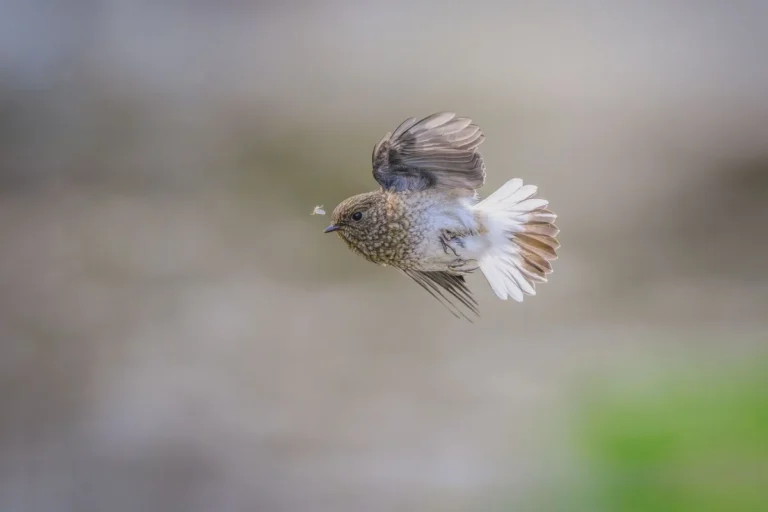
What Seeds Do Birds Eat
So what seeds do birds eat, really? Most bird seed mixes are designed to look good on the shelf, not to actually feed the birds in your yard. If you've ever dumped a bag of cheap mix into a feeder and watched sparrows pick through the good parts while ignoring the rest, you already know the problem.
We're going to fix that.
Our analysis shows that some commercial bird seed mixes are more than half filler that most backyard birds simply won't eat. The birds that visit your feeder actually want just a handful of key seeds, chosen to match their beak size and energy needs. Here's how to get it right the first time.

Image source: Web (Bing) / spice.alibaba.com (Web image (fair-use with source credit))
Quick Answer
What seeds do birds eat? Birds mostly eat black oil sunflower seeds, nyjer, white proso millet, and safflower. Small birds prefer tiny seeds like nyjer.
Larger birds prefer bigger seeds like sunflower. The right seed depends on which bird species you're feeding.
The Right Birdseed Starts With the Bird You're Trying to Attract
Most people walk into a store, grab the biggest bag of "wild bird mix" on the shelf, and hope for the best. That approach wastes money and keeps most birds away.
Every backyard bird has different feeding preferences. These preferences depend on beak size, body weight, and seasonal energy needs. A chickadee and a cardinal eat very different seeds even though they visit the same feeder at different times.
Your first move is figuring out which birds actually live near you. The Cornell Lab of Ornithology offers a free zip code search through their All About Birds field guide. It tells you which species are common in your area, year-round.
This takes two minutes and changes everything about how you spend money on seed.
Once you have your local species list, the next decision is simple:
- If you want cardinals and tufted titmice, buy black oil sunflower seed.
- If you want goldfinches and pine siskins, get nyjer seed in a mesh or tube feeder.
- If you want mourning doves and juncos, offer white proso millet on a platform or on the ground.
- If you want blue jays, add cracked corn and peanuts.
No more guessing. No more wasted bags.
The 5-Second Rule: What Birds Actually Eat (At a Glance)
Here's the quickest way to see what seeds do birds eat across common backyard species. Each bird has a go-to seed it reliably consumes. Use this table as your buying cheat sheet.
| Bird Species | Preferred Seed | Best Feeder Type |
|---|---|---|
| Northern Cardinal | Black oil sunflower | Hopper or platform |
| Black-capped Chickadee | Black oil sunflower, nyjer | Tube or hopper |
| American Goldfinch | Nyjer (thistle) | Mesh or tube |
| Dark-eyed Junco | White proso millet | Platform or ground |
| Tufted Titmouse | Black oil sunflower, peanuts | Hopper or tube |
| Mourning Dove | White millet, cracked corn | Platform or ground |
| Red-bellied Woodpecker | Black oil sunflower, peanuts | Suet or hopper |
| White-breasted Nuthatch | Black oil sunflower | Tube or hopper |
| Downy Woodpecker | Black oil sunflower, suet | Suet feeder |
| Pine Siskin | Nyjer, black oil sunflower | Mesh or tube |
If you want to attract a specific bird, start with the seed listed next to its name. Change one variable at a time so you can tell what's actually working.
How Beak Size, Seed Size, and Fat Content Decide Everything
Understanding why birds choose certain seeds comes down to three factors: beak size, seed size, and fat content. Get these right and birds flock to your feeder. Miss the mark and they'll ignore everything you buy.
Beak Size and Seed Size
A bird's beak acts like a tool built for one job. Small-beaked birds like goldfinches and chickadees can handle tiny seeds like nyjer, millet, and flaxseed. Large-beaked birds like cardinals, jays, and doves prefer bigger seeds like black oil sunflower and cracked corn.
If a seed is too large, the bird can't crack it. If it's too small for a big bird's beak, they'll waste energy trying to eat it when easier options exist.
Fat Content: The Winter Factor
Black oil sunflower seeds contain roughly 25 to 35 percent fat. Nyjer runs similar. These fats give birds the calories they need to survive cold nights.
As temperatures drop, birds burn more energy just to stay warm. High-fat seeds become essential in fall and winter. In summer, protein-rich options like sunflower hearts and mealworms support molting and breeding.
The Birdseed Decision Tree: Match Your Birds to the Right Seed
Now let's walk through the actual decision process. Follow these four steps in order and you'll end up with the right seed for your yard.
Step 1: Identify Your Local Birds First
Pull up a zip code bird search from a trusted source like Cornell Lab or your local extension office. Write down every species you see or hear in your yard over two weeks. This list becomes your buying guide.
If you see cardinals, you need sunflower seed. If goldfinches are frequent visitors, nyjer is your priority. Juncos on the ground mean millet.
Step 2: Match Seed to Beak and Behavior
Sort your bird list by preferred seed using the table above. Then group birds by feeding behavior:
- Ground feeders (juncos, doves, sparrows) want millet and cracked corn.
- Perching feeders (chickadees, titmice, nuthatches) prefer sunflower and peanuts.
- Small-beaked specialists (goldfinches, siskins) need nyjer.
This narrows your options down to two or three seeds maximum.
Step 3: Choose the Right Feeder for the Seed

Image source: Web (Bing) / bluebirdlanding.com (Web image (fair-use with source credit))
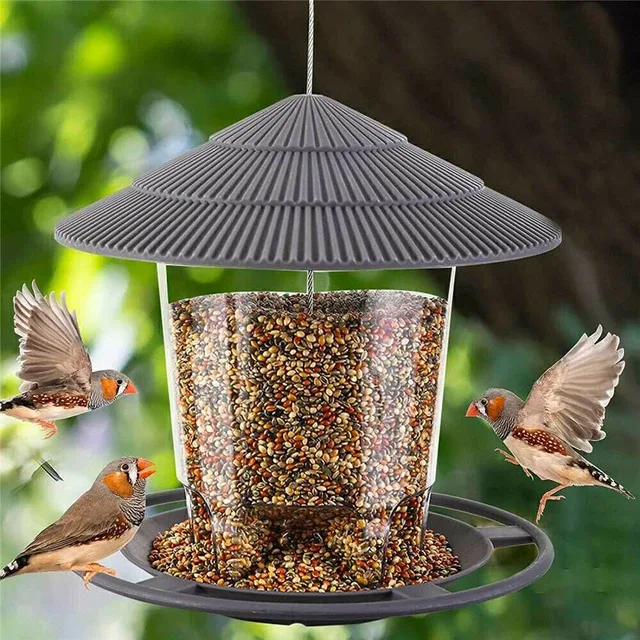
Your feeder type matters as much as the seed itself. Nyjer works in mesh feeders or small ports. Sunflower works in hoppers and tube feeders.
Millet needs an open platform. Match the feeder to the seed or the seed gets stuck, wasted, or ignored.
Step 4: Adjust Seasonally
Birds change what they eat through the year. In winter, lean into high-fat seeds like sunflower and nyjer. In spring, supplement with mealworms and suet for breeding pairs.
In fall, add cracked corn and peanuts to fuel migration and fat storage.
Keep a simple calendar. It makes a real difference over time.
Seed-by-Seed Breakdown: What Works, What Wastes Your Money
Not all bird seed is created equal. Here's what each common option actually delivers and where it falls short.
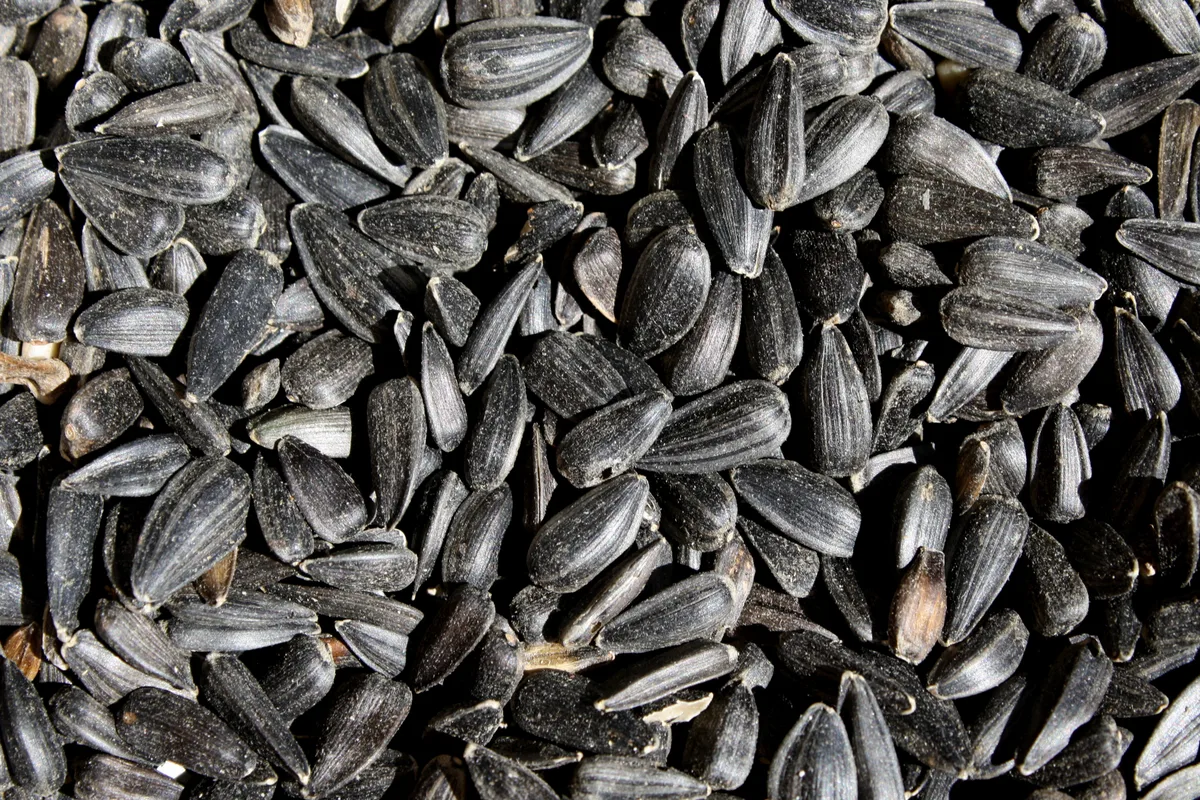
Image source: Web (Bing) / photos-public-domain.com (Web image (fair-use with source credit))
| Seed | Best For | Fat Content | Cost per lb (approx) | Verdict |
|---|---|---|---|---|
| Black oil sunflower | Cardinals, chickadees, titmice | 25-35% | $1.25-$2.00 | Best all-around seed |
| Nyjer (thistle) | Goldfinches, siskins | 25-35% | $2.50-$4.00 | Best for small-beaked finches |
| White proso millet | Juncos, doves, sparrows | 4% | $1.00-$2.00 | Essential for ground feeders |
| Safflower | Cardinals, blue jays, sparrows | 25% | $2.00-$3.50 | Good alternative to sunflower |
| Shelled sunflower hearts | Sunflower-loving birds | 25-35% | $2.50-$4.00 | Most convenient, pricier |
| Raw peanuts | Jays, woodpeckers, nuthatches | 49% | $3.00-$5.00 | High energy, attracts squirrels |
| Cracked corn | Doves, jays, sparrows | 4% | $0.75-$1.50 | Cheap filler, limited value |
Where the money goes to waste: Many commercial mixes include fillers like milo, wheat, and ryegrass. Most backyard birds don't eat these. As of 2026, the average "wild bird mix" contains 40 to 60 percent filler seed by weight.
You're paying for grain meant for chickens.
The fix: buy single-species seed. It costs more per bag but gets eaten completely. Less waste, happier birds, lower long-term cost.
The Mistakes That Kill Your Bird Feeding Setup
Even with the right seed, a few common mistakes will keep birds away or cost you money. Here's what to watch for.
Buying Cheap Mixed Bird Seed
The biggest mistake is grabbing a bargain bag of "wild bird mix" without reading what's inside. Most mixes are packed with filler grain that birds reject outright. If you see milo, wheat, or oats listed first on the ingredient panel, walk away.
Ignoring Feeder Placement
Birds feel exposed when eating. If your feeder hangs in wide open space with no nearby cover, they'll stay cautious and move on. Place feeders within 10 to 15 feet of trees or shrubs where birds can retreat quickly.
This small change alone can significantly increase your visitor count.
Overloading Feeders
Fill your feeder with only two to three days' worth of seed. Excess seed sits exposed to rain and humidity, and that leads to mold growth fast. Fresh, smaller batches beat stale large ones every time.
Switching Seed Type Too Fast
Birds learn where food is. If you swap from sunflower to millet in one day, they'll need time to discover the new option. Keep a base seed going and layer in new varieties over a week or two.
Neglecting Squirrel Competition
If squirrels raid your feeder before birds arrive, no seed mix will save you. Squirrel-proof baffles and pole-mounted feeder setups with baffle guards are the standard fix recommended by Cornell Lab feeder guides.
Seasonal Feeding, Storage, and Feeder Hygiene That Actually Work
Long-term bird feeding success depends on a few maintenance habits. None of them are complicated. All of them matter.
Adjust Seed by Season
| Season | Primary Seed | Why |
|---|---|---|
| Winter | Black oil sunflower, nyjer | High fat supports cold-weather energy needs |
| Spring | Sunflower, mealworms, suet | Protein aids breeding and egg production |
| Summer | Sunflower hearts, millet | Lighter feeding, avoids mold in heat |
| Fall | Sunflower, cracked corn, peanuts | Builds fat reserves for migration |
As of 2026, the best practice remains consistent year-round feeding. Birds remember reliable food sources and return to them. But adjusting the mix seasonally keeps your setup efficient.
Store Birdseed Properly
Cool, dry, and sealed is the rule. Unshelled seeds last three to six months in a sealed container. Shelled hearts go rancid faster, so plan to use them within two to three months.
Airtight bins in a shaded garage or shed work best.
If seed smells musty or looks damp, throw it out. Mold in birdseed can produce aflatoxin, which causes serious illness in birds. It's not worth the risk.
Clean Feeders on a Schedule
Feeders should be scrubbed every two to four weeks. Disassemble what you can, rinse with a diluted bleach solution (one part bleach to nine parts water), then rinse thoroughly and dry completely before refilling. Dirty feeders spread disease, especially avian conjunctivitis and trichomonosis, which can move quickly through a backyard flock.
Per Cornell Lab feeder hygiene guidance, extra cleaning is recommended during active disease outbreaks in your region. Check local alerts before stocking up.
Birdseed FAQ: Quick Answers to Common Questions
What seeds do birds eat most commonly?
Black oil sunflower seeds are the single most popular choice across nearly all backyard bird species. They offer high fat content, a shell most birds can crack, and they attract cardinals, chickadees, titmice, and nuthatches alike. Nyjer, white millet, and safflower round out the top four.
Do all birds eat the same seeds?
No. Beak size, body weight, and species behavior all shape seed preference. A goldfinch prefers tiny nyjer seeds in a mesh feeder.
A cardinal prefers whole sunflower seeds on a platform. Matching seed to species dramatically improves feeder traffic.
How much birdseed should I put out at once?
Fill feeders with only two to three days' worth of seed. Fresh seed gets eaten faster. Leftover seed exposed to rain and humidity grows mold quickly.
Small, frequent refills protect both birds and your wallet.
Is wild bird seed mix worth buying?
Only if the mix lists sunflower seed or millet as the primary ingredient. Most budget mixes are dominated by milo and wheat, which most backyard birds ignore. Single-species seed costs more per pound but gets eaten almost entirely.
Can I feed birds bread?
You can, but you shouldn't. Bread fills birds up without delivering fat, protein, or vitamins. Birds that eat bread end up malnourished and full.
Stick to sunflower, nyjer, millet, and shelled peanuts for real nutritional value.
How do I stop squirrels from eating all the birdseed?
Use a baffle guard on the feeder pole, mount feeders at least four feet off the ground, and choose feeder models with spring-loaded ports that shut under heavier weight. Safflower seed is another option, since squirrels tend to avoid it while cardinals and blue jays still eat it enthusiastically.