Where Do Birds Sleep
Where do birds sleep? Most people picture a cozy nest tucked into a tree branch. But that's only true during breeding season.
The rest of the year, birds choose sleeping spots based on survival needs.
Some songbirds sleep as little as two hours a night to cut predator exposure. Research from the Cornell Lab of Ornithology shows that some species survive on remarkably short sleep cycles during migration. So where do birds sleep?
It depends entirely on the species.
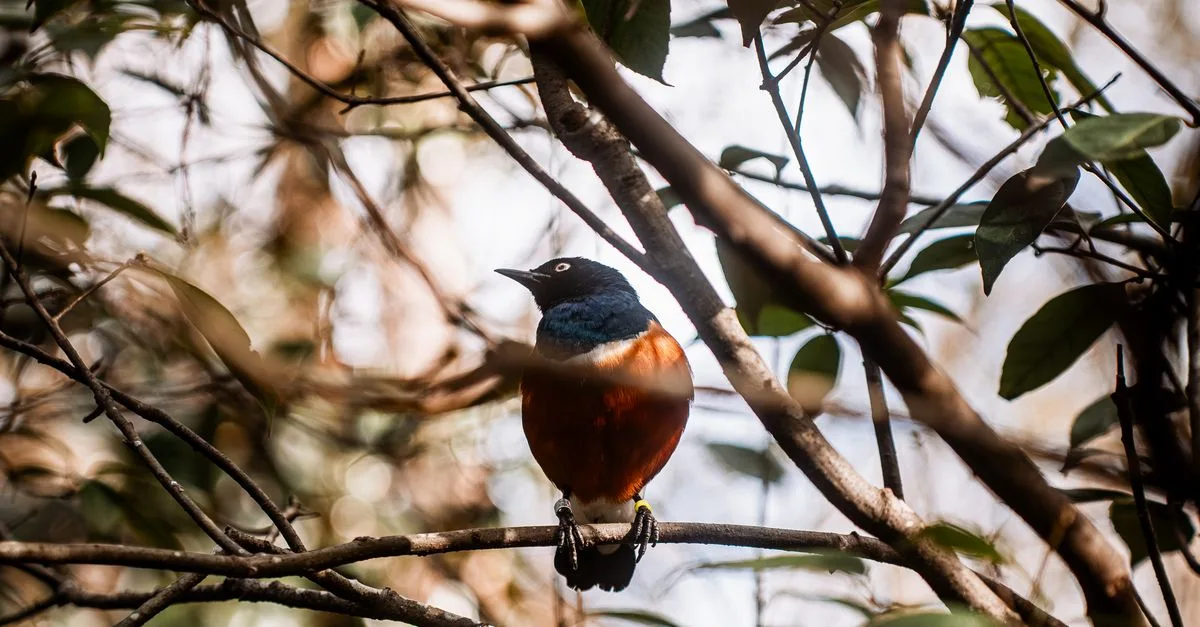
Image source: Bing (Web (fair-use with source credit))
Quick Answer
Where do birds sleep? Most birds sleep in trees or dense shrubs. Waterfowl sleep on open water.
Owls rest in tree cavities during the day. Ground-nesting species use open beaches or mudflats. Roost location always reflects a species' survival strategy.
The Nest Myth: Where Most People Get Bird Sleep Wrong
If you've watched birds at all, you've probably assumed they all sleep in their nests. They don't. Nests serve one job: raising young.
The moment chicks fledge, that nest is finished.
After breeding season, birds move to a completely different spot for the night. That spot is called a roost, and it's chosen entirely for survival, not reproduction.
A bird picks a roost based on three factors. How well the spot hides it from predators. How much warmth the area offers.
And whether other birds are nearby to share the risk.
These misunderstandings have real consequences. Birdwatchers waste hours searching nest boxes and birdhouses for sleeping birds. Gardeners prune away the exact foliage local birds need for overnight shelter.
And urban planners build structures that offer zero roosting options for native species.
Here's a concrete example. The U.S. Fish and Wildlife Service recommends that habitat restoration projects factor in roost site availability alongside food sources and nesting habitat.
Provide plenty of food but no safe sleeping cover, and bird populations won't rebound.
So if you're trying to find where birds sleep in your area, stop checking the nests. Start looking at the densest cover, the highest branches, and the nearest open water.
Why Roost Location Is a Survival Decision
A bird's roost location is never random. Every choice reflects a calculated trade-off between staying warm, staying hidden, and staying safe.
The biggest driver is predation risk. A bird caught sleeping is a dead bird. That's why birds evolved unihemispheric slow-wave sleep.
With this adaptation, one brain hemisphere rests while the other stays alert for danger.
Even as of 2026, researchers at the Cornell Lab are still mapping the full extent of this ability across species.
Temperature is the second major factor. Small birds like chickadees and hummingbirds lose body heat fast on cold nights. If a chickadee can't find dense cover, it may enter torpor.
That's a state where body temperature drops dramatically to conserve energy.
Torpor is a last-resort strategy, not a daily habit. It only kicks in when the bird can't survive any other way.
Flock size matters too. Birds that roost communally benefit from safety in numbers. European starlings form murmuration roosts that can number in the millions.
A bird in that group has far better odds of surviving the night than a solitary one.
The bottom line: a bird always picks the roost that solves its most pressing survival problem. If cold is the threat, it seeks warmth. If predators are the threat, it seeks cover.
If both matter, it finds a spot that addresses both.
Step-by-Step Decision Tree: Where Do Birds Sleep by Species
To figure out where a bird sleeps, you need to answer three questions in order. What species is it? Is it diurnal or nocturnal?
And what habitat does it prefer? Follow this flow to get your answer.
Step 1: Identify the species. This is non-negotiable. Where a robin sleeps and where an eagle sleeps have almost nothing in common.
Step 2: Determine activity cycle. Most birds are diurnal, meaning they sleep at night. But owls, nightjars, and some shorebirds are nocturnal or crepuscular. They sleep during daylight hours instead.
Step 3: Check the habitat. Is the bird arboreal, aquatic, ground-based, or cliff-dwelling? Habitat narrows the answer fast.
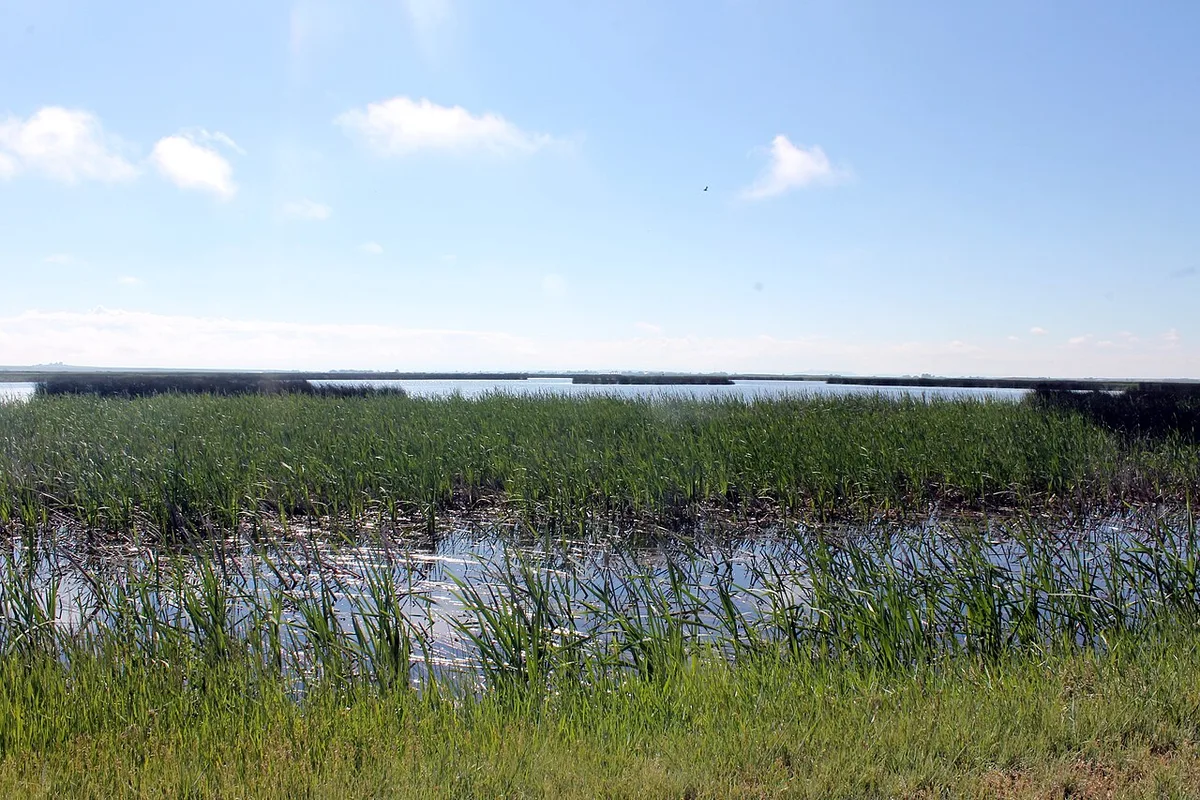
Image source: Wikimedia Commons / USFWS, Pacific Region
Here's how the branches play out:
| Species Type | Where They Sleep | Why This Spot |
|---|---|---|
| Small songbirds (robins, chickadees) | Dense shrubs, thick foliage, hedgerows | Maximum cover from predators |
| Waterfowl (ducks, geese) | Open water, shallow ponds | Safety from land predators |
| Owls | Tree cavities, dense evergreen foliage | Hides from daytime hunters |
| Raptors (hawks, eagles) | High isolated branches, cliff ledges | Unobstructed view, hard to ambush |
| Hummingbirds | Dense shrubs, twig ends, tree branches | Quick escape cover, low wind exposure |
| Shorebirds (plovers, terns) | Open beaches, mudflats | Camouflage against open terrain |
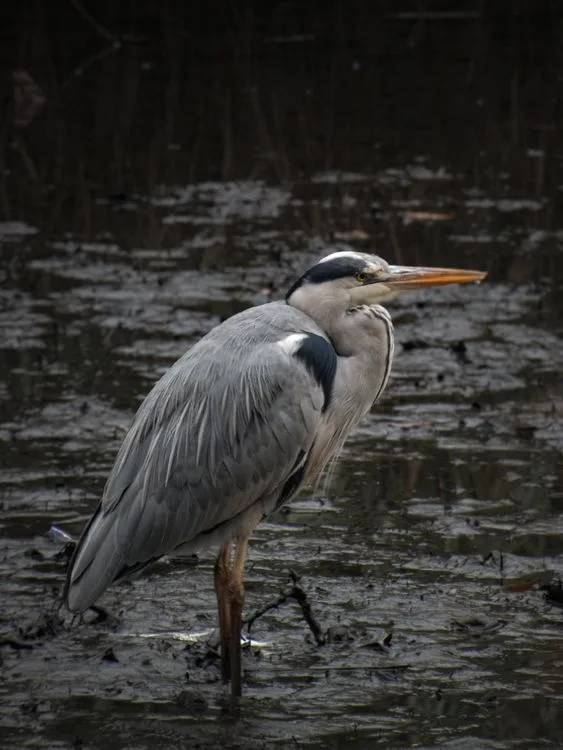
| Herons and egrets | Shallow water, reed beds, mangrove roots | Proximity to feeding grounds |
| Woodpeckers | Tree cavities, dead snags | Already-provided shelter |
| Starlings and swallows | Massive communal roosts, reed beds | Safety in numbers |
| Penguins | Huddles on ice or land | Collective warmth in extreme cold |
If the species is a songbird and the habitat is forested, the bird is almost certainly sleeping in dense canopy or understory cover. If the species is a duck and there's open water nearby, that's where it's going. The tree logic is simple once you know the species and habitat.
Mistakes to Avoid When Thinking About Bird Roosting
Getting roosting behavior wrong has real consequences. Here are the mistakes that come up most often.
Assuming all birds sleep in nests. Only breeding birds use nests. The rest are sleeping somewhere completely different. It's the single most common misconception about bird behavior.
Pruning away roost cover. Dense shrubs and thick hedgerows are overnight safety zones for songbirds. Cut them back aggressively in fall or winter and you've removed a critical survival resource. Give birds at least one section of untouched thick vegetation year-round.
Installing bright lights near known roosting areas. Artificial light disrupts circadian rhythms and makes birds easier for predators to spot. If you've noticed a large communal roost in a park, keep your yard lighting low and warm-toned near that zone.
Disturbing communal roosts during key seasons. Under the Migratory Bird Treaty Act, many native species are protected from harassment at nesting and roosting sites. Repeated disturbance can cause mass flushing, energy depletion, and increased predation risk. In some regions, local wildlife ordinances add additional protections on top of federal law.
Placing feeders in exposed, predator-friendly locations. If your feeder sits in the open with no overhead cover, birds visiting it are vulnerable before and after eating. Nearby dense cover gives them a quick escape route.
Mistaking a roost for a nest. Timing tells the difference. Active nests appear in spring and summer. Roosting spots are used year-round.
Real Scenarios: How Different Birds Choose Their Sleep Spots
Theory is one thing. Here's what these choices look like in real life.

Image source: Web (Bing) / nhm.ac.uk (Web image (fair-use with source credit))
Ducks sleeping on open water. This one catches people off guard. Dabbling ducks like mallards routinely sleep while floating on ponds and lakes. They tuck one leg up and rest with one eye open.
Their unihemispheric slow-wave sleep lets them stay alert for danger while the other hemisphere rests. When a duck is in a tight group on the water, even sleeping, they have far better predator detection than a single bird on a branch.
Hummingbird torpor on a cold night. A Ruby-throated hummingbird in New England faces nights that drop below freezing. It can't eat for 12 or more hours. So it enters torpor, cutting its body temperature from around 40 degrees Celsius to near 18.
This drops its energy use by up to 95 percent. By morning, it burns stored fat to heat back up and starts foraging again. It's the most extreme sleep adaptation in the bird world.
European starling murmuration roosts. On a winter evening in Europe, thousands of starlings stream across the sky in twisting patterns. They're heading to a roost, usually a large tree, reed bed, or building overhang. The murmuration itself is a predator-defense mechanism.
A hawk diving into that swirling mass has an incredibly hard time targeting a single bird.
Penguin huddles in Antarctica. Emperor penguins face temperatures that plunge to minus 40 degrees Celsius. Winds top 100 miles per hour. They sleep while standing, packed shoulder to shoulder in rotating huddles.
Birds on the outside rotate to the center over hours. Everyone sleeps. Everyone survives.
Each of these scenarios solves a different survival problem. Cold leads to torpor or huddling. Predation pressure leads to flocking and unihemispheric sleep.
Habitat access leads to choosing open water over a tree branch.
The point isn't that birds are clever. It's that evolution has tested these strategies over millions of years. The winners are the ones we still see sleeping in these exact spots today.
Frequently Asked Questions
Do birds sleep standing up?
Yes. Most perching birds sleep while standing, using a special tendon system called the hallux tendon that auto-locks their toes around a branch. They don't need to grip actively.
Even waterfowl often sleep standing, though ducks more commonly sleep floating on water.
Can birds sleep on water?
Ducks, geese, and some other waterfowl regularly sleep while floating. They tuck one leg up and rest with one eye open. Their unihemispheric slow-wave sleep lets them monitor for predators while the other hemisphere rests.
A duck on water in a flock is safer than most birds on a branch.
How do small birds survive cold nights without shelter?
Small birds like chickadees can't afford to waste energy. On cold nights, they roost in dense vegetation to reduce heat loss. Some species, like hummingbirds and nightjars, can enter torpor, where body temperature drops dramatically to conserve fuel.
Flocking also helps, as birds share body heat.
Where do pigeons sleep?
Rock pigeons are highly adaptable. In cities, they roost on building ledges, under overhangs, in bridges, and on rooftops. In rural areas, they use barn rafters, cliff faces, and tree cavities.
Pigeons tend to prefer high, sheltered spots with clear sight lines for spotting predators.
Do birds dream during sleep?
Research suggests some birds may experience REM-like sleep phases, though it's less pronounced than in mammals. As of 2026, the Cornell Lab and other research groups continue studying avian sleep architecture. We know birds cycle through sleep stages, but whether they dream in the human sense remains an open question.
How to Use This Guide
The next time you spot a bird settling in for the night, run through the decision tree. What species is it? What's the habitat?
What threats does it face right now? The answers will tell you exactly where it's going to sleep and why.
If you're managing land, landscaping, or designing bird-friendly spaces, remember this. Food sources matter, but roosting habitat matters just as much. Protect your thick cover.
Keep lighting low near known roosts.
And if you're near a large communal roost, enjoy the show from a distance. The birds are making a survival decision in front of you. All you have to do is notice it.