What Do Geese Eat
If you’ve spent any time at a local park, you’ve likely wondered what do geese eat when they aren't waiting for handouts. Most people assume these birds need bread to survive, but the reality is quite different.
Geese are natural grazers that require specific nutrients found in wild grasses and aquatic plants. As of 2026, wildlife experts emphasize that artificial feeding often leads to severe health consequences.

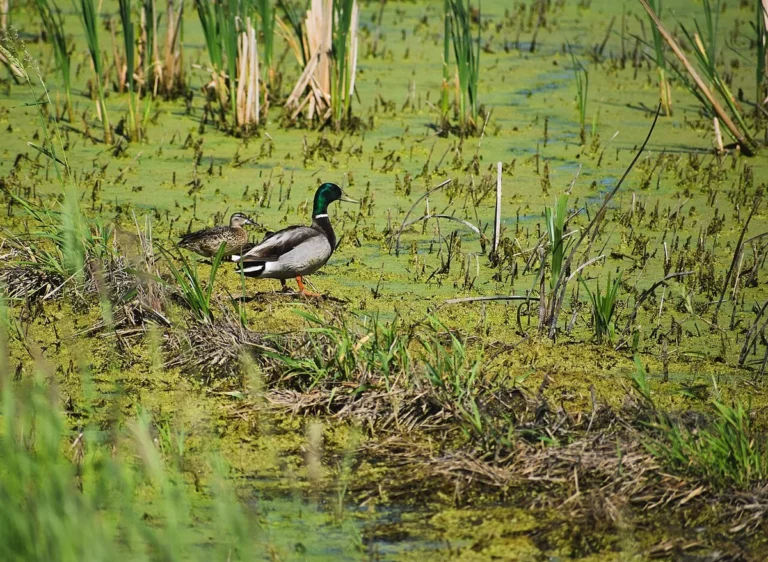
Image source: Bing (Web (fair-use with source credit))
Quick Answer
Geese eat grasses, seeds, grains, and aquatic vegetation in the wild. Their bodies are designed for fibrous, nutrient-rich plant material. They do not require bread or human snacks.
Feeding them processed food causes serious health problems. Natural foraging is essential for their long-term survival.
Why Feeding Geese is Actually a Risky Business
Feeding geese might feel like a friendly gesture, but it frequently creates more problems than it solves. When you offer food, you disrupt the natural foraging patterns that keep these birds healthy and self-sufficient.
Research from the U.S. Fish and Wildlife Service indicates that human-provided food is often nutritionally poor. It fills the bird up with empty calories, which prevents them from seeking the high-fiber vegetation their bodies require for proper growth.
Furthermore, feeding encourages large groups of geese to congregate in small areas. This leads to overcrowding, which increases the risk of disease transmission among the flock. It also creates messy, unhygienic conditions on walkways and near water, often resulting in local municipal feeding bans.
If you enjoy seeing geese, the best approach is to observe them from a distance. Let them be wild, and avoid the temptation to share your picnic.
The Anatomy of a Natural Goose Diet
Geese possess a unique anatomy tailored specifically for processing tough, fibrous plants. Their bills feature a specialized structure known as lamellae, which acts like a comb to grab and tear blades of grass.
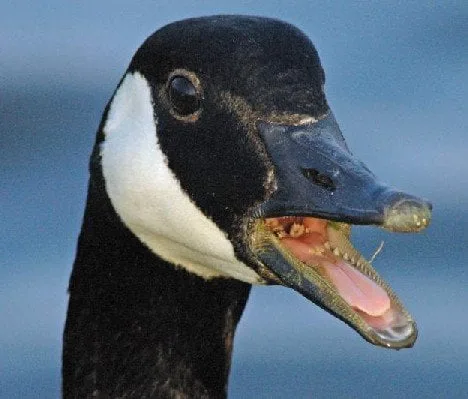
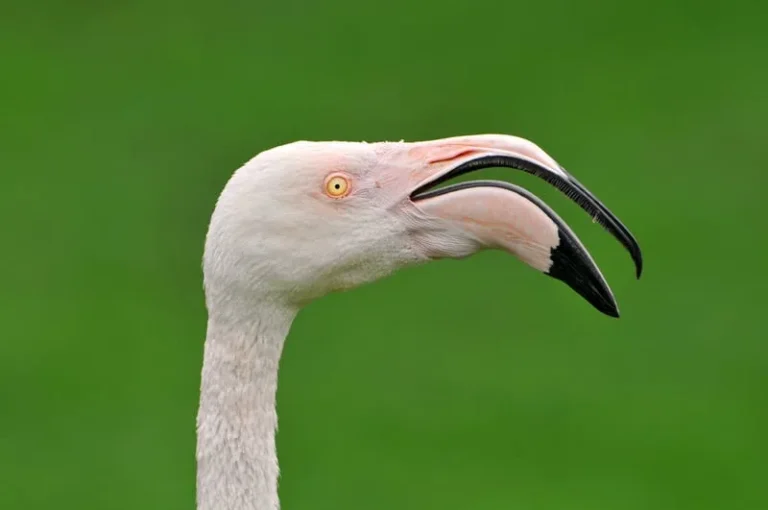
Image source: Bing (Web (fair-use with source credit))
- Grasses: Their primary food source, providing essential vitamins and minerals.
- Aquatic Macrophytes: These water-based plants offer hydration and varied nutrients.
- Seeds and Grains: During migration or cold spells, they forage for leftover agricultural grains.
- Rhizomes: They use their beaks to dig for starchy roots in muddy soil.
This diet supports their high energy needs throughout the year. Because their digestive systems are optimized for raw plant matter, they do not have the ability to break down highly processed sugars found in human snacks effectively.
Why "Human Food" Leads to Angel Wing and Long-Term Disability
The most tragic outcome of human interference is a condition called Angel Wing. This is a permanent deformity where the last joint of the wing becomes twisted. It is commonly linked to diets high in refined carbohydrates during the rapid growth phase of goslings.

Image source: Bing (Web (fair-use with source credit))
When a gosling grows too quickly on a "junk food" diet of bread or crackers, their feathers become heavier than their bones can support. The wing joint rotates outward, leaving the flight feathers pointing away from the body.
Once this happens, the bird becomes flightless and vulnerable to predators. It is an irreversible condition that often results in premature death. Beyond Angel Wing, a poor diet also leads to:
- Reduced Immune Function: Nutrient gaps weaken their ability to fight off common avian illnesses.
- Joint Stress: Rapid weight gain puts immense pressure on their legs and feet.
- Dependency: Geese that associate humans with food stop foraging, leading to a breakdown in essential survival skills.
How Overcrowding and Dependency Harm Local Ecosystems
When we feed geese, we alter their natural movement patterns. Instead of migrating or dispersing to find food, they settle in one place permanently. This creates an unnatural concentration of waste, which significantly degrades water quality in local ponds.
High levels of goose droppings lead to excess nitrogen and phosphorus in the water. This triggers algae blooms, which deplete oxygen levels and kill off fish and other aquatic life. It creates a cycle where the entire pond ecosystem struggles to remain balanced.
Moreover, geese are highly intelligent animals that quickly learn to rely on humans. This habituation is a major safety risk. Geese will often wander into busy roads or parking lots to follow people, leading to traffic accidents and injuries.
A fed goose is a bird that has lost its natural, healthy caution toward potential threats.
Evaluating the True Cost of Artificial Feeding
To understand why we should avoid feeding, it helps to look at the differences between their natural food sources and what people typically throw into a pond.
| Feature | Natural Forage | Human "Treats" |
|---|---|---|
| Nutrient Density | High (Fiber, Vitamins) | Low (Empty Carbohydrates) |
| Digestibility | Designed for their gut | Causes fermentation/bloating |
| Growth Impact | Steady, healthy growth | Rapid, weak bone development |
| Environment | Clean, sustainable | Leads to pollution/bacteria |
The "cost" of feeding goes beyond just the bird's health. It impacts the park maintenance budget, as property owners must deal with the resulting water issues and increased sanitation needs. By choosing to let them forage, we protect both the health of the individual bird and the cleanliness of our shared public spaces.
Expert Tips for Observing Geese Without Causing Harm
If you want to enjoy geese without interfering with their biology, focus on passive observation. Bring a pair of binoculars and find a quiet spot along the shoreline. By keeping your distance, you allow the birds to exhibit their natural behaviors.
You'll see them preening, grazing, and interacting within their social hierarchy. These behaviors are fascinating on their own. You don't need to be part of the action to appreciate these birds.
Stay on marked paths to avoid disturbing nesting sites. If you notice geese acting aggressively, it's usually because they are defending their goslings or their territory. Simply walk away slowly and give them plenty of space.
Remember that geese are highly adaptable. They don't need your interaction to thrive. Your role as an observer is to be a quiet witness to their life in the wild.
This keeps the experience positive for you and safe for the wildlife.
FAQs: Common Questions About Waterfowl Health and Safety
Is it okay to feed geese cracked corn in the winter?
Cracked corn is safer than bread, but it should only be used as a rare supplement during extreme weather. Even then, it lacks the essential nutrition found in their natural forage. Over-relying on supplemental feed can still disrupt their natural migratory instincts.
What should I do if I find a sick or injured goose?
Do not try to handle or treat the bird yourself. Contact your local wildlife rehabilitator or the state department of natural resources. They have the training and permits required to assist injured wildlife safely.
Keeping your distance is the best way to avoid spreading potential zoonotic diseases.
Why are there signs in my local park that say not to feed the birds?
These signs exist to protect the birds and the water quality. Feeding leads to unnatural congregation, which causes high fecal bacteria counts in the water. This can lead to swimming closures and harmful algal blooms that damage the local pond ecosystem.
Can geese digest leafy greens like lettuce?
While lettuce is better than bread, it is mostly water and lacks the dense nutrients of native grasses. Wild geese are experts at finding the specific plants they need to sustain their energy levels. It is almost always better to leave their diet entirely up to them.
Does feeding geese make them more aggressive toward people?
Yes, constant human contact causes geese to lose their natural fear. They may begin to associate people with food and act pushy or aggressive when they don't get a handout. By keeping your distance, you help maintain the healthy, natural boundary between humans and wildlife.