Types of Geese
Learning to identify different types of geese makes a walk in the park much more interesting. While many people see a goose as just a single kind of bird, these waterfowl actually belong to a diverse group with unique behaviors and markings.
Geese are part of the Anserinae subfamily and are closely related to swans and ducks. As of 2026, the U.S. Fish and Wildlife Service identifies several distinct species that regularly migrate and nest across North American wetlands.
Understanding their traits helps you spot the difference between a common resident and a seasonal visitor.
Quick Answer
The main types of geese include Canada geese and Snow geese. You also see Cackling geese and Greater White-fronted geese. Each species has specific feather patterns and beak colors.
Size differences help you tell these species apart quickly. Most geese live in wetlands or open park landscapes.
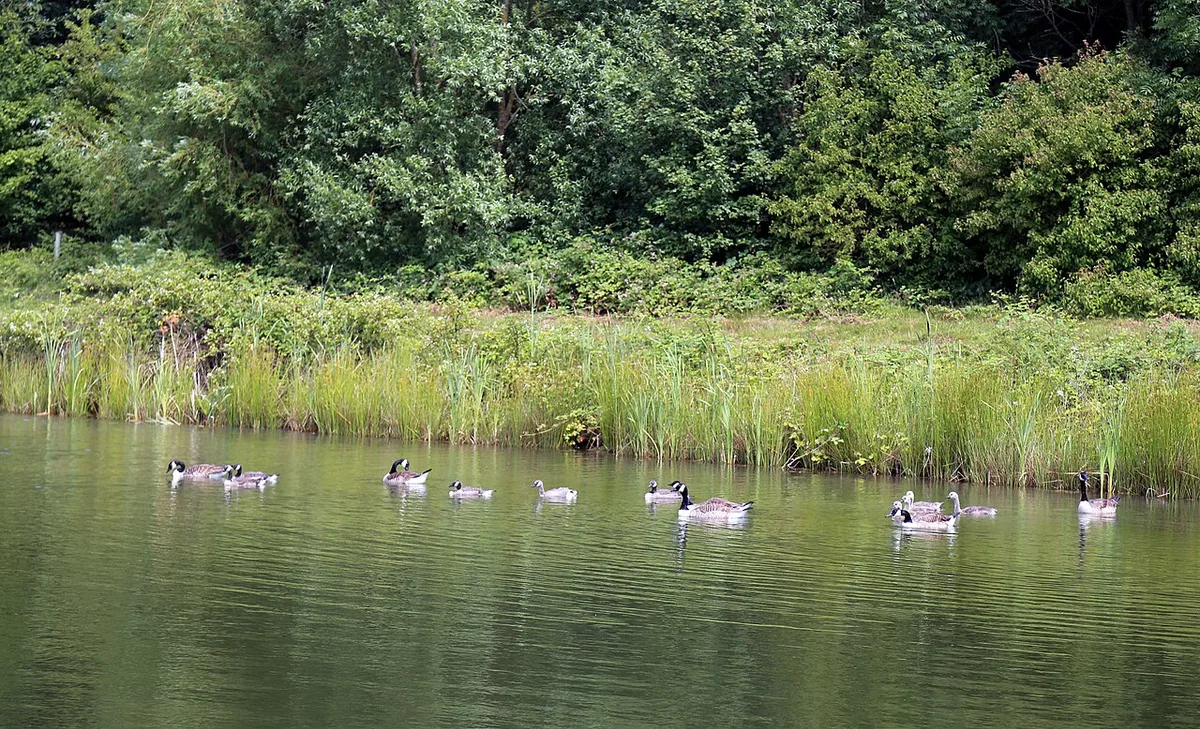
Image source: Wikimedia Commons / Acabashi (CC BY-SA)
Why Geese Are Harder to Identify Than They Look
Identifying geese feels simple until you realize how many look-alike species exist in the wild. Many birds share similar color palettes of black, white, and brown. This overlap makes it easy to mislabel a bird if you aren't looking at the fine details.
Environmental factors like lighting, molting, and juvenile plumage also change how a goose appears. A bird might look larger or smaller based on how it holds its neck or fluffs its feathers. You need to focus on specific physical traits rather than just the general goose shape.
Professional birders use a systematic approach to categorize these birds. They don't rely on a single guess. Instead, they check the bill shape, leg color, and habitat to confirm the species before moving on.
Key Visual Markers: Deciphering Plumage and Shape
Plumage is your first line of defense when you are trying to identify a goose. Look closely at the neck and head markings, as these are often the most reliable identifiers. A clear, high-contrast pattern usually points to a specific species.
Body size and wingspan also play a major role in your identification process. While it is hard to measure a flying bird, you can use nearby objects or other birds as a scale. A smaller, more compact bird often behaves differently than a larger, long-necked counterpart.
Pay attention to the bill structure as well. The shape of the bill tells you what the bird eats and how it survives in its environment.

Image source: Web (Bing) / javiessc6rr88.blogspot.com (Web image (fair-use with source credit))
| Feature | What to Check | Why It Matters |
|---|---|---|
| Neck Color | Solid black vs. grey/white | Distinguishes between Canada and other geese |
| Bill Shape | Thick vs. narrow | Indicates diet and species family |
| Leg Color | Orange vs. black | Critical for confirming adult status |
| Wingtips | Black vs. white | Helps ID Snow geese in flight |
Sorting the Species: Field Identification of Common Geese
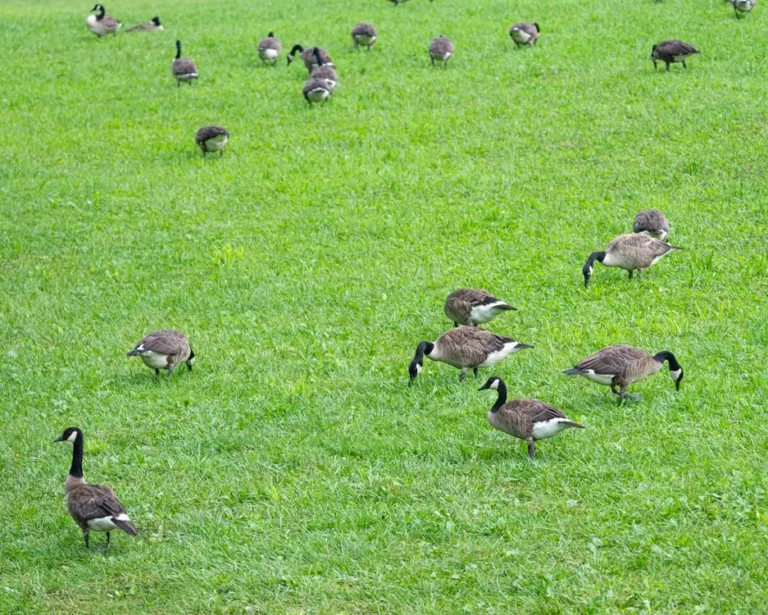
The Canada goose remains the most recognized species due to its iconic black neck and white chinstrap. You will find these birds in almost every type of North American habitat. They are highly adaptable and often form large, noisy social groups.
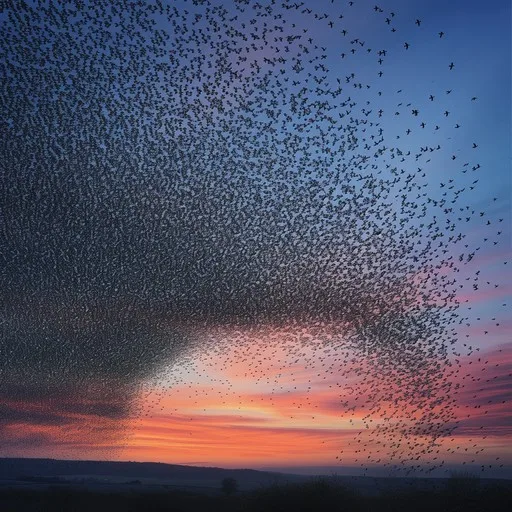
Snow geese are another common sight, known for their bright white feathers and black wingtips. They often migrate in massive, synchronized flocks. If you see a smaller goose with a dark, compact body, you are likely looking at a Brant, which prefers saltwater coastal environments.
Greater White-fronted geese are slightly more subtle. Look for a white patch around the base of their bill and vibrant orange legs. They are known for their unique laughing call, which acts as an auditory map for identification.
Avoiding the Look-alike Trap: Common Misidentifications
The most frequent mistake is confusing a small Canada goose with a Cackling goose. These two look nearly identical at a distance. Cackling geese are noticeably smaller with a shorter, stubbier bill and a more rounded head shape.
Another common error is confusing young geese with different species entirely. Juvenile geese often lack the distinct adult markings that make identification easy. You might also mistake a domestic breed, like a farm goose, for a wild variant if it has unusual white patches or a large forehead knob.
Always check the behavior of the bird when you feel stuck. A bird that approaches you for food is almost certainly a domestic variety. Wild geese generally maintain a cautious distance from humans, even in urban parks.
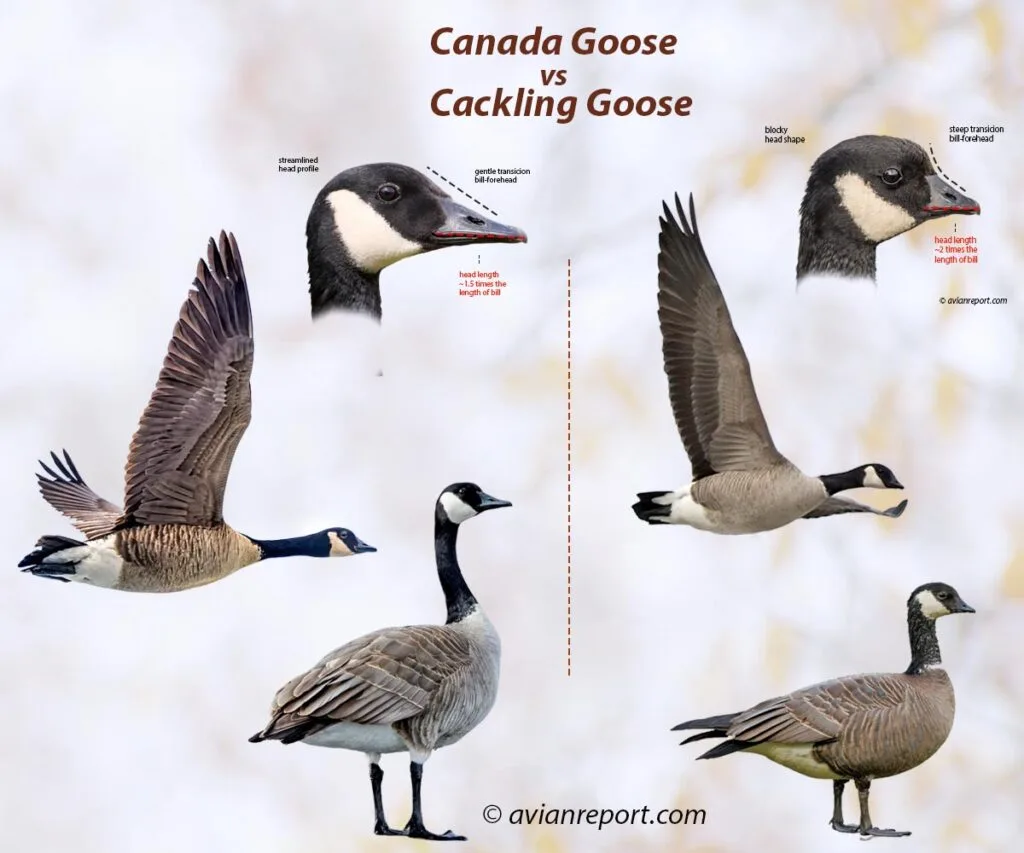
Image source: Bing (Web (fair-use with source credit))
- Watch for the Head Shape: Cackling geese have rounder, smaller heads than the oval-shaped heads of Canada geese.
- Check the Neck Ratio: The neck of a Cackling goose is much shorter relative to its body size.
- Don't Ignore Call Sounds: If you can listen to calls on a database like the Cornell Lab of Ornithology, you will find that vocalizations often provide the most accurate confirmation.
- Assess the Setting: Domestic breeds rarely form large migratory flocks or congregate in wild, remote wetlands.
Habitat and Behavior: Using Context as a Clue
Where you find a goose often tells you more than the feathers on its back. Canada geese, for instance, are generalists. They thrive in manicured golf courses, suburban retention ponds, and agricultural fields.
If you see a goose in a city center, it is almost certainly a Canada goose.
In contrast, Snow geese are masters of the open tundra and large, sprawling marshes. They spend much of their time in expansive agricultural fields during migration. Finding a Snow goose on a tiny, landlocked park pond is highly unlikely.
Brants are even more specialized. These birds rely almost exclusively on coastal salt marshes and estuaries. If you are standing on a beach or near a tidal flat, keep your eyes open for their darker, smaller silhouettes.
- Look for Foraging Patterns: Grazing in a grass field is classic Canada goose behavior.
- Check the Water Body: Large, open lakes attract migrating flocks, while tiny ponds often host residential geese.
- Note the Season: Some species, like the Snow goose, are only passing through on specific flyways during spring and autumn.
- Observe Social Dynamics: Species like the Canada goose exhibit territorial behavior during nesting season, which you won't see in the same way with migratory flock birds.
Understanding Your Local Waterfowl: Legal and Ethical Basics
Respecting the natural behavior of geese is vital for both your safety and theirs. Most wild geese are protected under federal law, such as the Migratory Bird Treaty Act. This means it is illegal to harass, trap, or disturb nesting birds without specific authorization.
Human interference often causes more problems than it solves. Feeding geese human food, like bread or processed snacks, disrupts their natural diet and causes health issues. It also encourages them to lose their natural fear of humans, which can lead to aggressive encounters in public parks.
If you encounter an injured bird, do not attempt to capture it yourself. Contact a local wildlife rehabilitation center or the U.S. Fish and Wildlife Service for guidance on proper reporting.
They have the training to handle the situation without putting you or the bird at risk.
Expert Tips for Developing Your Birding Eye
Consistency is the secret to becoming an expert at identifying geese. Start by choosing one local spot and visiting it regularly throughout the year. You will eventually recognize individual birds and notice how their plumage changes as they molt from summer to winter.
Don't be afraid to use tools to supplement your knowledge. A simple pair of binoculars allows you to see the fine detail of a bill or the specific color of a leg from a safe distance. Apps that record bird calls are also excellent for confirming species that look similar but sound completely different.
Finally, keep a simple field journal. Jotting down the date, the weather, and what you saw helps cement those details in your memory. Over time, you will find that you no longer need to check a guide to know exactly who is swimming on the lake.
FAQs: Answering Your Common Goose Queries
Are all white geese Snow geese?
No, while Snow geese are typically white with black wingtips, domestic geese can also be entirely white. Look for a bulky body, a large knob on the forehead, or orange legs to identify a domestic goose. Snow geese are generally more slender and have a more graceful, wild appearance.
Why do some geese have orange legs and others black?
Leg color is often a specific trait used for identification between species. For example, Greater White-fronted geese are known for their distinct orange legs, while Canada geese typically have black or dark grey legs. This is a reliable field mark that does not change with the season.
Can I feed geese in the park?
It is strongly recommended that you do not feed wild geese. Processed foods like bread provide no nutritional value and can cause long-term health damage. Feeding also encourages geese to gather in unnatural numbers, which can degrade water quality and lead to unwanted human-wildlife conflict.
How do I tell a male goose from a female?
In most goose species, males and females look identical to the human eye. This is called monomorphic plumage. While the gander, or male, might be slightly larger and more aggressive during the nesting season, you cannot reliably tell them apart without observing their specific mating behaviors.
When is the best time of year to see different types of geese?
Migration periods during spring and fall offer the best variety. Many species travel thousands of miles and stop in specific wetlands to refuel. Winter can also be a great time to observe geese that have moved south from the northern breeding grounds to warmer climates.