How to Identify Birds by Sound
Learning how to identify birds by sound transforms a simple walk in the woods into a rich, detailed experience. You don't need expensive equipment to start recognizing species by their unique vocal signatures.
Birds communicate through specific patterns that remain consistent within their species. By tuning into these signals, you can document avian life in your area as of 2026.

Quick Answer
You identify birds by sound through listening to pitch and rhythm. Observe the environment to narrow down the potential species list. Use simple mnemonics to memorize common song patterns.
Cross-reference your findings with verified audio databases for accuracy.
Why Your Ears Are Better Than Your Binoculars
Binoculars are essential for clear vision, but they only work when you have a direct line of sight. Dense foliage and high canopies often hide birds from view entirely. Sound identification allows you to document species even when they remain deep within the brush.
Our research suggests that auditory identification significantly increases your bird count in heavily wooded areas. Many shy or nocturnal species rarely perch in the open for long periods. By focusing on vocalizations, you gain access to the entire local ecosystem rather than just the visible subset.
This skill also helps you detect birds before they arrive or as they move through a territory. You can often track a bird's movement across your backyard simply by following its contact calls. This approach turns a static hobby into an active, dynamic form of nature observation.
Filtering the Noise: The What-Where-When Workflow
Identification starts with context, not the song itself. You must filter out environmental variables to isolate the sound you are hearing. Ask yourself where you are located and what the habitat supports.
- Location: Are you in a marsh, a suburban park, or deep forest?
- Season: Is it peak spring migration or the quiet of mid-winter?
- Time: Are you hearing the dawn chorus or midday silence?
The Cornell Lab of Ornithology notes that habitat acts as a primary filter for identifying potential bird species. If you hear a song in a wetland, you can safely rule out many upland forest birds. Narrowing your list through context reduces the chance of misidentification.
Breaking Down Bird Songs: Pitch, Tempo, and Patterns
Once you locate a target sound, you need to break the acoustic signature into manageable parts. Listen for the tempo, which is the speed of the notes. A fast, trilling song feels frantic, while a slow, deliberate song often suggests a different family of birds.
Pitch is your next indicator. Is the sound high-pitched and thin, or does it have a throaty, resonant quality? Many songbirds hit frequency ranges that require focused attention to distinguish.
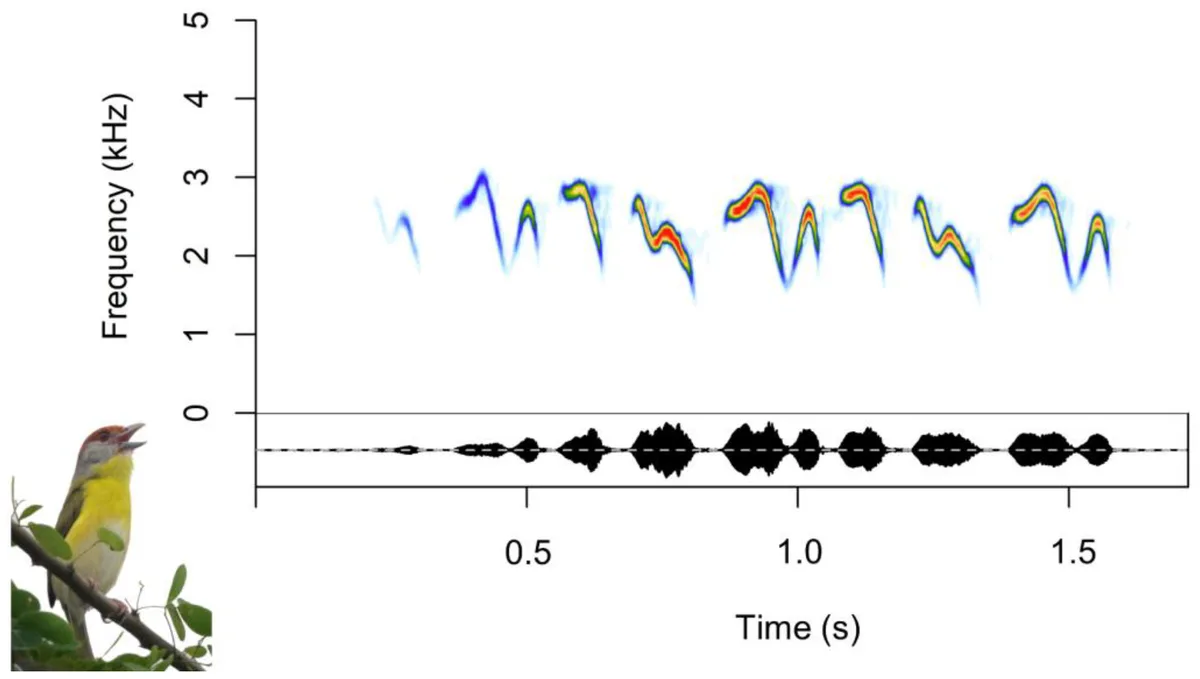
| Feature | Description |
|---|---|
| Tempo | The cadence or speed of the song sequence. |
| Pitch | The high or low frequency of the notes. |
| Pattern | The repetitive structure or phrase arrangement. |
Professional ornithologists often visualize these sounds as spectrograms to see the frequency over time. You can train your ears to recognize these shapes by listening to recordings repeatedly. Practice isolating one single bird if multiple species are singing at once.
The Mnemonic Strategy for Effortless Recall
Mnemonics are the best way to anchor a bird's song in your long-term memory. By assigning human words to the notes, you turn a series of chirps into a recognizable sentence. This trick is used by field researchers to quickly record observations without needing to write down technical frequency data.
For example, the common Yellow Warbler has a song that sounds remarkably like, "Sweet, sweet, sweet, I'm so sweet!" The Barred Owl is famous for the phrasing, "Who cooks for you, who cooks for you-all?"
When you hear a song, repeat it back to yourself until you can turn it into a phrase. If a specific bird sounds like a car alarm or a squeaky hinge, use that memory hook. Your brain is much better at remembering sentences than abstract whistles or trills.
Navigating Digital Tools and Field Verification
Digital technology has changed the way we identify birds in the field. Apps like the Merlin Bird ID use machine learning to suggest identifications based on your current GPS location and date. These tools act as a second pair of ears when you are just starting out.
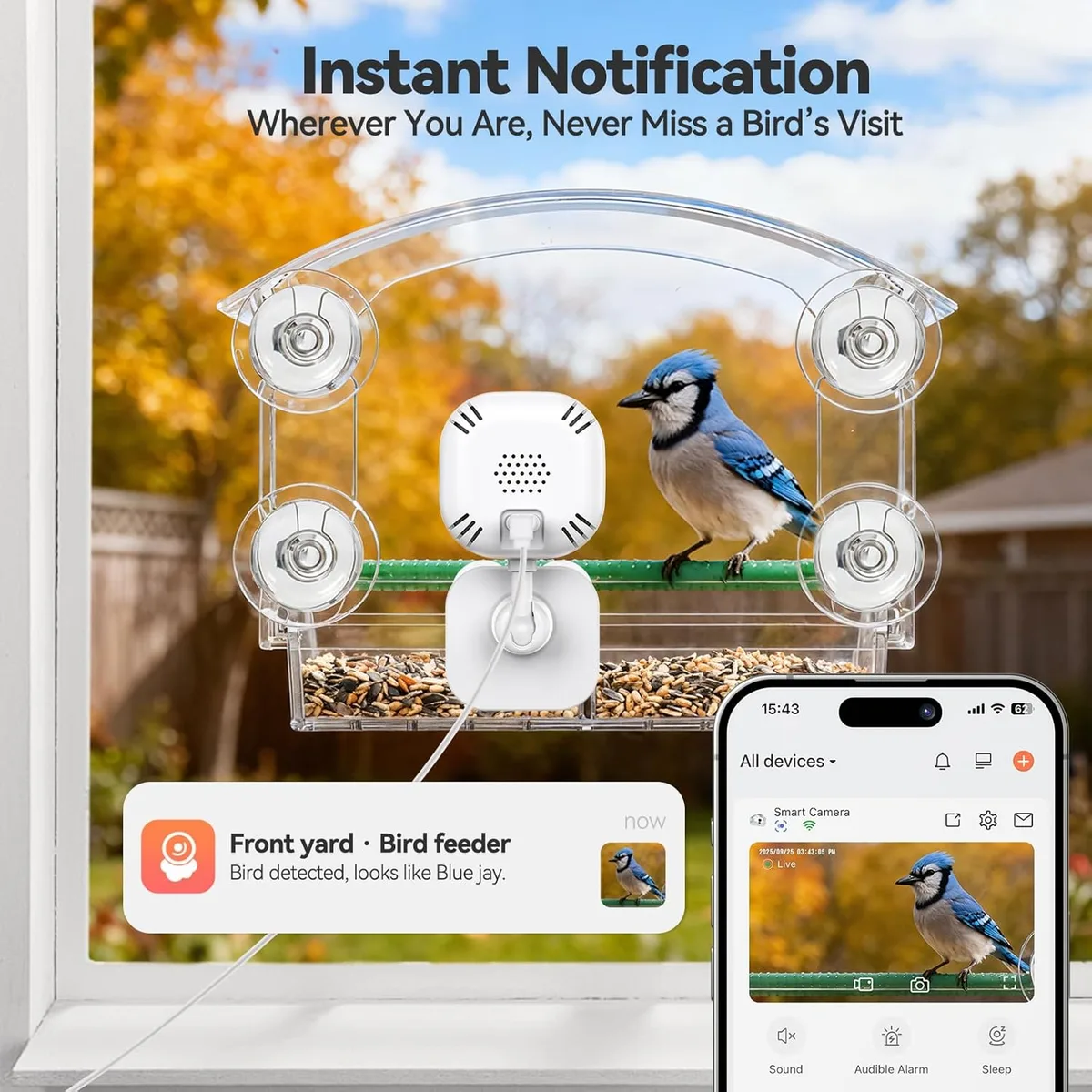
However, always treat digital suggestions as possibilities rather than absolute facts. Background noise, wind, or other birds can confuse the software. Use the app to get a head start, then verify what you hear against established recordings on official university databases.
- Step 1: Record the sound using your phone.
- Step 2: Compare the spectrogram to known samples.
- Step 3: Observe the behavior to see if it matches the bird's common range.
Reliable data requires human verification. If an app suggests a rare bird that shouldn't be in your climate zone, check the regional reports first. Digital tools are the best way to accelerate your learning curve as of 2026.
Avoiding Common False Positive Traps
You encounter false positives when a mimic species sounds exactly like your target bird. Many birds, including Northern Mockingbirds and Gray Catbirds, incorporate the songs of other species into their own vocalizations. If you hear a song you know, check the speed and repetition to ensure the singer isn't just a clever imitator.
Environmental noise is another major source of error. Wind rustling leaves, distant traffic, or even the hum of a lawnmower can distort high-frequency notes. When in doubt, wait for a period of silence to see if the bird repeats the pattern.
Listen for the context of the bird's movement. A true species will usually stick to its preferred habitat and height in the canopy. If a woodland bird suddenly sounds like it is singing from the middle of a parking lot, treat the identification with extreme caution.
Ethical Birding and Respecting the Habitat
You must prioritize the health of the bird over the satisfaction of a positive identification. Avoid using playback or high-volume sound recordings during the peak breeding season. Birds interpret these sounds as territorial threats and may waste precious energy defending their space against a phantom intruder.
Always keep your distance if you are moving in to verify a sighting visually. Stay on marked trails and avoid trampling vegetation where ground-nesting birds might be hidden. Ethical birding means the bird should never know you were there.
Follow Leave No Trace principles whenever you head into the field. If a bird shows signs of distress, such as rapid alarm calls or agitated flight, back away immediately. Your presence should have minimal impact on the natural behavior of the wildlife.
Frequently Asked Questions
Why is identifying birds by sound harder than using photos?
Sound identification requires auditory processing that takes time to develop. You cannot pause a bird to compare it to a guide as you would with a static image. Birds also have varied dialects, which makes local practice essential for success.
Can I identify every bird I hear?
You will not identify every bird, even with years of experience. Some birds have simple "chip" calls that sound identical across different species. Focus on the songs you can confirm and view the unidentified sounds as a chance to keep listening.
Does time of day affect bird song identification?
Time of day dramatically changes which birds are vocal. Most species engage in the dawn chorus when air is still and sound travels further. By noon, many birds go quiet to avoid detection by predators while they forage.
Should I use apps to identify birds?
Apps provide a great starting point for beginners to learn common species. Use them to narrow down possibilities, but avoid relying on them as a final authority. Cross-check what the app says with verified recordings or reputable field guides to build your personal knowledge base.
What is the easiest bird sound for a beginner to learn?
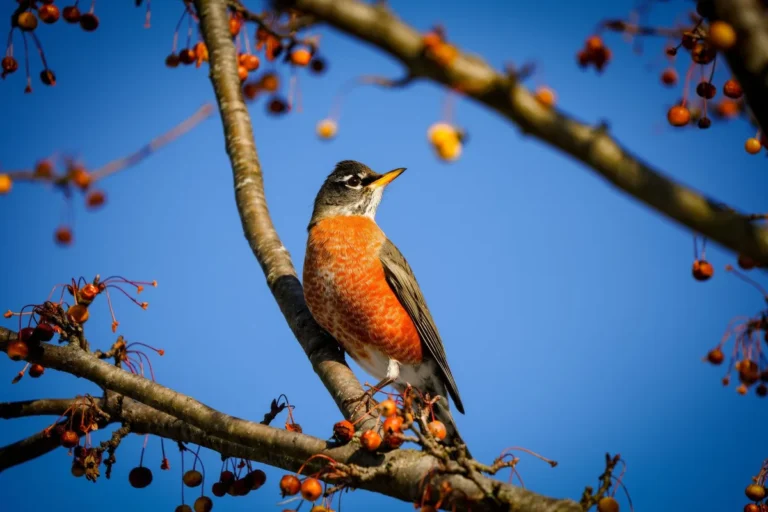
The American Robin and the Mourning Dove are two of the most recognizable voices in North America. Their songs are distinct, frequent, and often repeated in familiar patterns. Learning these two species helps you establish a baseline for what to expect when you start listening for others.