Wren Facts
Wrens are charismatic, high-energy birds that bring constant motion to any garden space. Understanding accurate wren facts helps you recognize their unique behavior, distinctive vocalizations, and specific environmental needs.
These small songbirds belong to the Troglodytidae family and are recognized by their energetic, tail-flicking movements. As of 2026, researchers continue to track their populations through initiatives like the Cornell Lab of Ornithology, which provides ongoing data on avian health. Proper habitat management remains the most effective way to welcome these birds to your yard.
Quick Answer
Wrens are small, insectivorous songbirds known for rapid movement. They characteristically hold their tails in a vertical position. Most species build intricate, cup-shaped nests in small cavities.
They possess loud, complex songs relative to their tiny body size. Wrens frequently occupy suburban gardens with dense brush and cover.
Identifying Wrens Through Movement and Sound
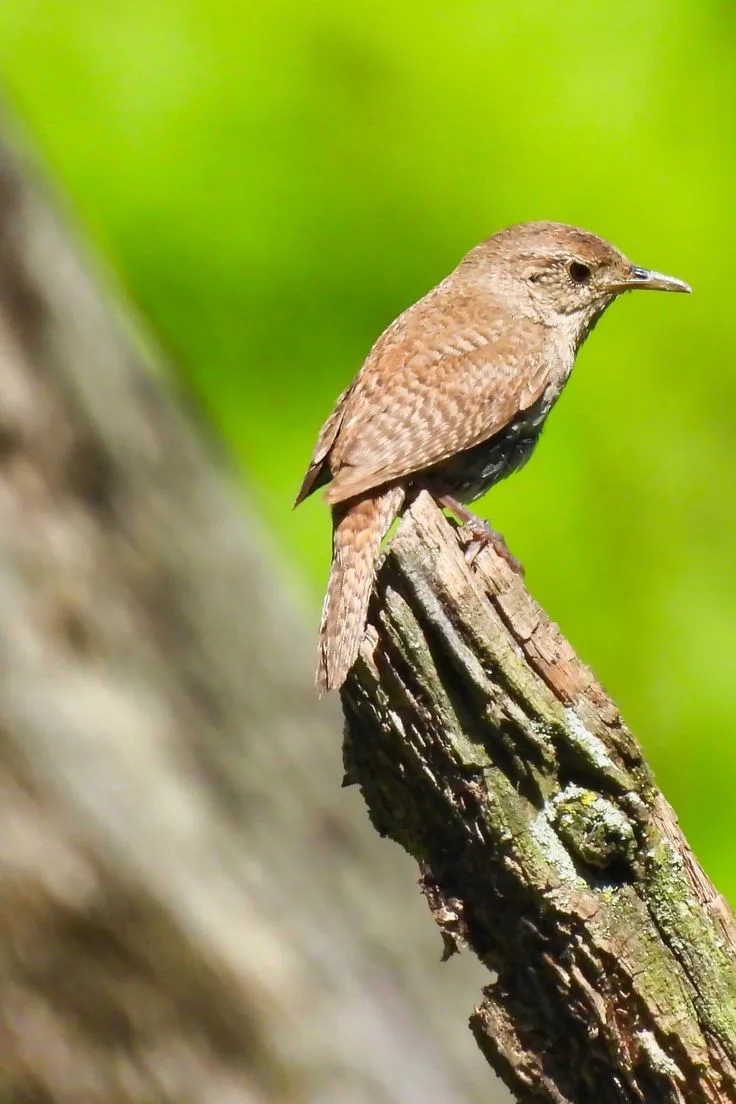
You can identify a wren long before you get a clear look at its feathers. Their movement is distinct, fast, and often appears erratic compared to other backyard visitors. They prefer to stay low to the ground, hopping through dense cover rather than flying in long, straight paths.
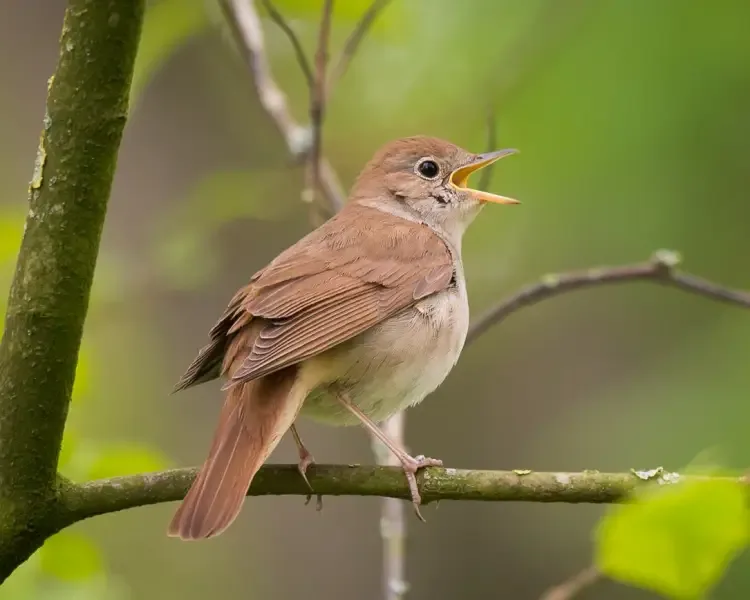
The most reliable visual cue is the vertical tail position. Wrens typically keep their tails cocked upright, pointing toward the sky. This behavior is a diagnostic feature for almost every species in the family.
If you see a tiny, brownish bird with a tail that seems to stay stuck in a vertical perch, you have spotted a wren.
Their songs serve as a secondary identifier. Wrens are known for being incredibly loud for their physical size. Their vocalizations are rapid-fire, bubbly, and often last for several seconds without a break.
While individual species have unique patterns, the overall delivery remains consistent across the family.
The Anatomy of a Backyard Wren
Wrens are built for navigating tight spaces and probing for food in difficult environments. Their bodies are small, usually ranging between 4 to 6 inches in length. They possess muted, cryptic plumage that helps them blend into tree bark, leaf litter, and dry branches.
The beak serves as a primary tool for their specific lifestyle. It is thin, pointed, and often slightly decurved, allowing the bird to reach into narrow crevices where spiders and insects hide. This anatomical trait is a direct adaptation for their role as specialized hunters within the understory of a forest or garden.
Wings are rounded and short, which aids in short, explosive bursts of flight. You will rarely see a wren perform long, soaring maneuvers. Instead, they move through the garden in flickers of activity.
They are built for agility in the brush rather than distance in the open sky.
How to Attract Wrens Without Fancy Feeders
Wrens do not typically visit standard seed feeders, so you should focus on habitat instead. They are insect-eaters, meaning they look for areas where spiders, beetles, and caterpillars thrive. A tidy garden often lacks the resources these birds need to stay.
Creating a brush pile in a quiet corner of your yard provides excellent cover. This structure attracts the insects they eat and offers a safe place for them to hide from predators like hawks or roaming cats. You can build one by stacking fallen branches and twigs in a stable, loose heap.
Native shrubs are also essential. Planting species that grow in dense, twiggy thickets provides the ideal environment for a wren to hunt. If you provide this habitat, you don't need to worry about purchasing specialized bird food or complex feeding stations to keep them nearby.
| Feature | Requirement | Why it matters |
|---|---|---|
| Brush Cover | Loose twig piles | Attracts spiders and insect prey |
| Water | Shallow birdbath | Necessary for drinking and bathing |
| Nesting | Cavity or box | Provides a safe space for broods |
| Pesticides | Avoid use | Protects the wren's natural food source |
Navigating Territorial Behavior and Nest Box Rivalries
While wrens look adorable, they are fiercely territorial. A male wren will often defend his chosen nesting area against other birds, regardless of their size. This behavior is most obvious during the breeding season when they aggressively patrol their boundaries.
They are known for building dummy or cock nests. A male may start several different nests in various cavities to impress a potential mate. He does this to show off his quality as a partner and his ability to secure good real estate.
The female eventually selects the one she prefers and finishes the lining.
Because they are so competitive, you should avoid placing multiple birdhouses in close proximity. If you put two wren boxes too close together, the birds may fight, or the male might harass other birds in the area. Spacing them out by at least 20 to 30 feet helps minimize these conflicts and keeps your garden peaceful.
The Reality of Wren Pest Control and Garden Health

Wrens are highly beneficial to your garden because of their diet. They are voracious insectivores that spend the majority of their active hours hunting pests. By attracting them, you effectively gain a team of natural pest controllers.
Their diet consists primarily of spiders, beetles, caterpillars, and ants. Unlike birds that eat seeds and occasionally drop them, wrens keep your plants clean by targeting the specific insects that damage leaves and stems. Research from the USDA suggests that healthy bird populations in suburban areas contribute significantly to insect management.
Avoid using chemical pesticides in your garden if you want to support a wren population. These chemicals kill the very insects the wrens rely on for survival. When you rely on these birds to keep your garden in balance, you reduce your need for synthetic garden chemicals.
Critical Maintenance for Healthy Wren Habitats

Maintaining a functional birdhouse involves more than just hanging it up and walking away. Because wrens are cavity nesters, they rely on small, secure spaces to protect their brood. You must ensure these structures remain clean and free from debris between seasons.
Standard practice includes cleaning out old nesting material after the birds have fully fledged and left the site. Old nests can harbor parasites like mites, which may impact the health of future broods. Use a stiff brush and plain water to scrub the interior, then let the box dry completely before re-attaching it to the tree or post.
Check the entrance hole periodically to ensure it hasn't been enlarged by squirrels or other persistent rodents. A standard 1-inch to 1 1/8-inch opening is specifically designed to keep larger, invasive species out. If the wood has splintered or worn down, the box becomes accessible to predators.
Repairs can often be made with a small metal guard plate or a quick patch of wood.
Maintenance Checklist for Seasonal Success
- Winter Inspection: Check for structural damage or loose mounting hardware after the final brood of the season.
- Deep Clean: Remove all organic material in late autumn to prevent parasite buildup.
- Drainage Check: Ensure there are small holes in the floor of the box to prevent water from pooling inside.
- Ventilation: Confirm that small gaps remain at the top of the walls to keep the nest from overheating during mid-summer heatwaves.
Frequently Asked Questions About Wren Behavior
Why are wrens so loud for such tiny birds?
Their songs are designed to carry over long distances through dense brush where visibility is low. Because they live in thickets and tangled vegetation, they rely on complex, high-frequency vocalizations to define their territory. This allows them to communicate effectively without needing to be seen by rivals.
Do wrens migrate during the winter?
Migration patterns depend heavily on the specific species and your geographic region. Many Carolina Wrens are year-round residents, meaning they stay in their territory throughout the winter if food sources are accessible. Other species, such as the House Wren, typically move to warmer southern climates as temperatures drop.
Why do they build so many dummy nests?
Males build these extra nests to display their fitness and maximize their chances of attracting a mate. The female chooses the nest that she deems the most suitable for raising a family. These structures also help the male establish a strong claim over a wider section of the garden.
Should I worry about wrens attacking other birds?
Wrens are highly territorial and may puncture the eggs of other birds to eliminate competition for nesting sites. This behavior is a natural part of their drive to secure resources for their own offspring. You can mitigate this by placing their nest boxes away from other birdhouses and keeping the area around the box clear of unnecessary attractants.
How do I keep outdoor cats away from my wrens?
Wrens are particularly vulnerable to cats because they forage low to the ground. You can protect them by placing nest boxes on poles rather than hanging them from low branches. Adding a baffle, which is a cone-shaped barrier on the pole, prevents cats and other climbing predators from reaching the entrance hole.