House Finch Facts
House finches are among the most recognizable birds you will encounter in North American backyards. Learning key house finch facts helps you identify these social, song-filled visitors as they move between your feeders and local trees.
These birds are native to the continent and have adapted remarkably well to human-altered environments. As of 2026, their population remains stable and widespread across much of the United States and Canada.
Quick Answer
The house finch is a common North American songbird. Males feature vibrant red or orange plumage. Females display streaky brown feathers for effective camouflage.
They are highly social, seed-eating birds. These finches often nest near human homes.
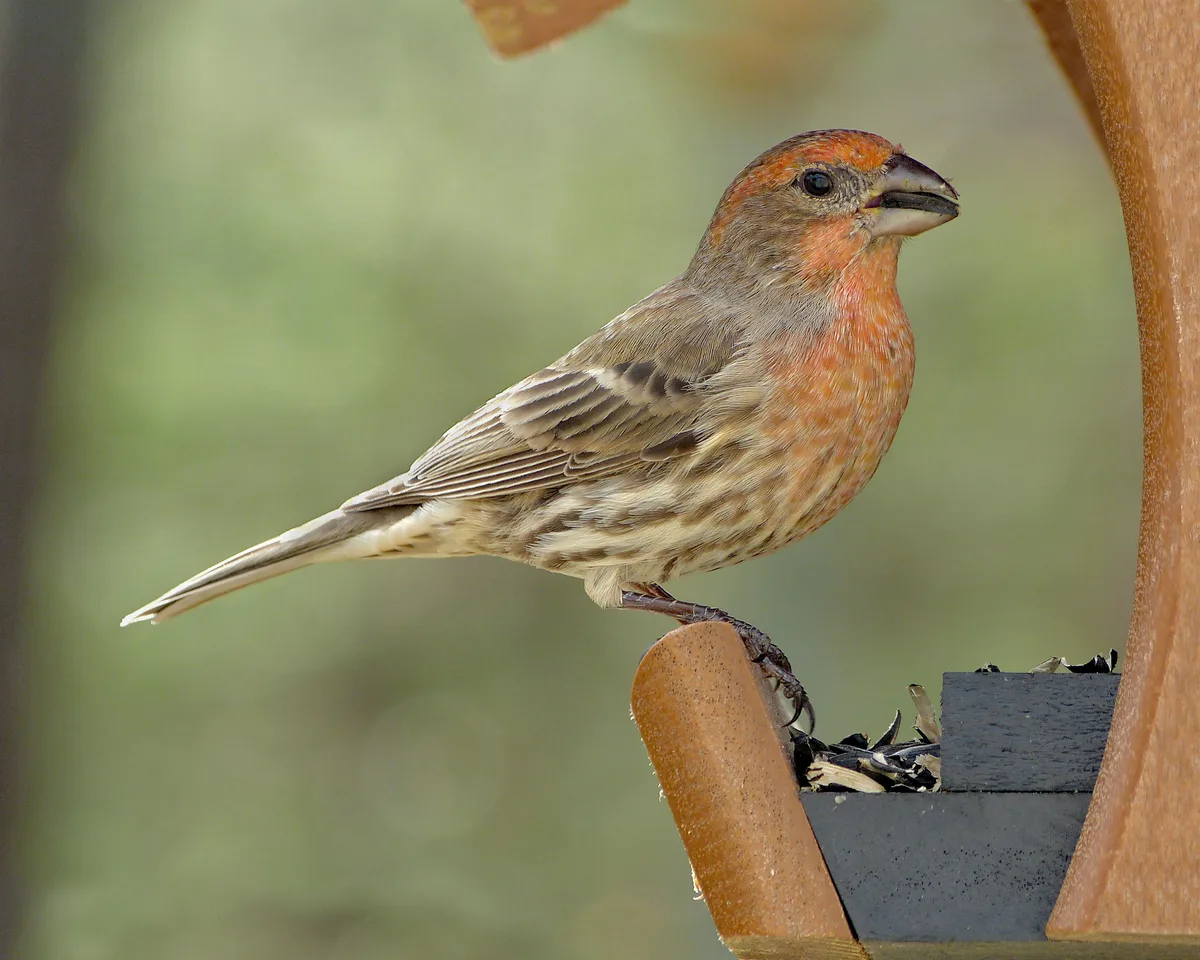
Image source: Bing (Web (fair-use with source credit))
Identifying the House Finch: Visual Field Marks
Spotting a house finch starts with recognizing their unique, chunky body shape. They possess a rounded head and a short, sturdy beak designed specifically for crushing seeds.
When scanning your backyard, look for a bird that appears compact rather than slender. Their overall length usually ranges between 13 and 15 centimeters. They often perch in small, active groups on branches or near seed sources.
Pay close attention to their flight pattern, which is slightly undulating or bouncy. You will typically see them foraging on the ground or clinging to feeders. Their social nature means they rarely travel alone, so seeing one often suggests others are nearby.
Decoding the Plumage: Males, Females, and Color Variation
The most striking house finch facts involve their distinct sexual dimorphism. Males and females look quite different, which helps them survive in varied environments.
Males sport a splash of color on their head, breast, and rump. This color varies from bright red to orange or even yellow depending on their diet during molting. The rest of their body is a streaky mix of brown and gray.
Females lack the colorful plumage entirely. They are solid brown and gray with distinct streaks covering their breast and belly. This appearance provides excellent camouflage, allowing them to blend into foliage and nesting sites.
Image source: Web (Bing) / petdemy.com (Web image (fair-use with source credit))
- Male: Bright, poppy-colored head and chest.
- Female: Uniformly streaked brown, gray, and white.
- Juveniles: Often look like adult females until their first major molt.
House Finch vs. Similar Species: A Visual Breakdown
Distinguishing house finches from other backyard regulars requires checking specific field marks. The purple finch is the most frequent look-alike, which often leads to confusion for new birders.
Focus on the beak shape first. House finches have a rounded, curved culmen, which is the top edge of the upper beak. Purple finches possess a straighter, heavier, and more conical beak.
Observe the distribution of red plumage on the males as well. A purple finch typically shows a deeper, raspberry-red hue that extends further down its back and flanks. House finch red is usually restricted to the head and breast.
| Feature | House Finch | Purple Finch |
|---|---|---|
| Beak | Rounded/Curved | Straighter/Heavy |
| Red Color | Front-focused | Overall wash |
| Belly Streaks | Clear, sharp | Blurry, soft |
Understanding the Lifecycle and Behavior of Backyard Finches
House finches are non-migratory throughout much of their range. This means you can enjoy watching them at your feeders during all four seasons.
They are known for their enthusiastic, warbling songs. Males sing frequently throughout the breeding season to attract mates and establish territory. Their song often ends with a sharp, nasal-sounding note that helps identify them.
Nesting behavior is another aspect of their lifecycle that draws them to homes. They are notoriously unpicky, often building nests in hanging flower baskets, porch lights, or dense garden shrubs. According to research from the Cornell Lab of Ornithology, these birds successfully rear multiple broods during a single year.
Maintaining Feeder Health: Preventing Common Diseases
Because house finches are highly social and congregate at shared food sources, they are prone to transmitting eye infections. The condition known as Mycoplasmal conjunctivitis causes swelling and discharge around the eyes.
If you spot a bird appearing listless or struggling to see, take immediate action to protect the local population. Dispersal is the most effective way to slow the spread of illness among these birds.
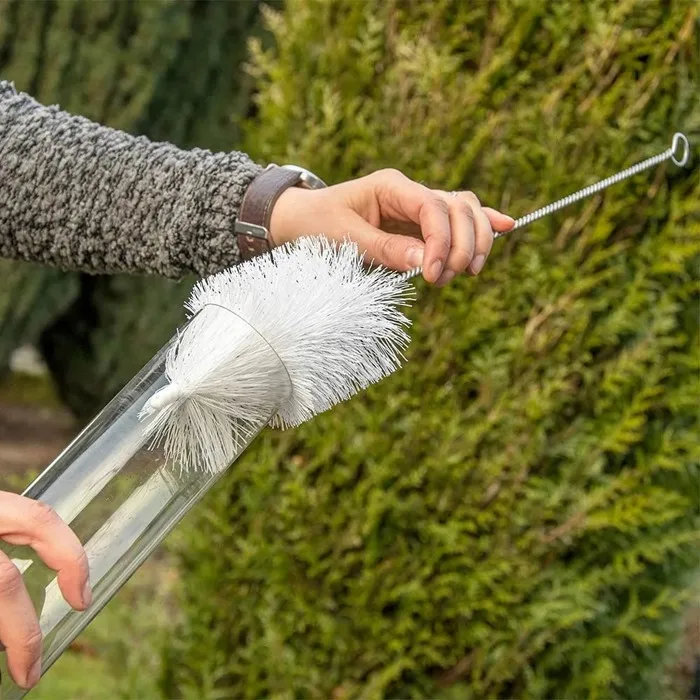
Image source: Web (Bing) / reallywildbirdfood.co.uk (Web image (fair-use with source credit))
- Suspend feeding: Remove all feeders for at least two weeks.
- Sanitize equipment: Wash all feeders in a solution of one part bleach to nine parts water.
- Rinse thoroughly: Ensure all bleach residue is gone before letting the equipment dry completely.
- Monitor: Keep an eye on the birds once you resume feeding to ensure no new symptoms appear.
Essential Tips for Attracting and Supporting Local Populations
Attracting these finches is straightforward because they are not particularly picky eaters. Providing the right type of fuel will turn your backyard into a regular stop on their daily forage.
Black oil sunflower seeds are the gold standard for your feeders. These seeds have thin shells that are easy for the finch's conical beak to crack open. You can offer them in tube feeders or simple hopper feeders to accommodate their social flocking behavior.
Water is just as important as food for a healthy backyard population. A clean birdbath with a shallow basin works wonders, especially during the hotter months of the year. Keep the water level low to encourage smaller birds to bathe safely without feeling overwhelmed.
- Offer variety: Mix in some nyjer seed to supplement their diet.
- Provide cover: Keep nearby shrubs or trees pruned, which gives them a place to hide if a predator like a hawk approaches.
- Consistency: Keep the feeders filled regularly. Once a local flock identifies your yard as a reliable food source, they will return throughout the year.
If you find that larger or more aggressive birds are crowding out your finches, try using feeders with smaller perches. House finches are agile enough to grip these, while larger species like starlings or grackles often struggle.
Frequently Asked Questions About House Finches
Are house finches considered a protected species?
Yes, they are protected under the Migratory Bird Treaty Act in the United States. This federal law makes it illegal to capture, kill, or harm these birds, or to disturb their active nests. If you find a nest in an inconvenient location, you must leave it until the young have fledged.
Why do some male house finches look yellow instead of red?
The red coloration in males comes from carotenoid pigments found in their natural diet. If a male feeds on a limited variety of plants during his molting cycle, his plumage may appear pale yellow or orange. This color difference doesn't indicate a different species, just a difference in regional food availability.
How long do these birds live in the wild?
Most house finches have a relatively short lifespan in the wild. While some can live up to several years, many succumb to predation or environmental factors within their first two years. Consistently clean feeders help minimize disease risks, which can significantly improve their chances of survival in your neighborhood.
Do house finches reuse their nests?
They often prefer to build a new nest each season, even if it is in the same location as a previous one. A female may occasionally refurbish an old nest, but it is more common for her to construct a fresh structure from twigs, grass, and fine rootlets. You can safely remove abandoned nests after the breeding season ends to keep your porch area clean.