How Do Hawks Hunt
Hawks are master predators that rely on specialized vision, incredible flight control, and patience to secure their food. Understanding how do hawks hunt requires looking at their unique biology and the environmental factors that dictate when they strike.
These raptors are built for high-speed engagement and extreme efficiency in the field. As of 2026, research from the Cornell Lab of Ornithology confirms that their success depends on a calculated energy-expenditure model. We will now break down exactly how these birds transform from observers into lethal strikers.
Quick Answer
Hawks hunt by scanning fields from great heights or hidden perches. They use exceptional eyesight to track small prey movements. They strike by diving at high speeds or swooping down silently.
Talons catch the prey to ensure an immediate, successful capture. They prioritize energy efficiency during every single hunt.
The Mechanics of Aerial Mastery: How Hawks Hunt
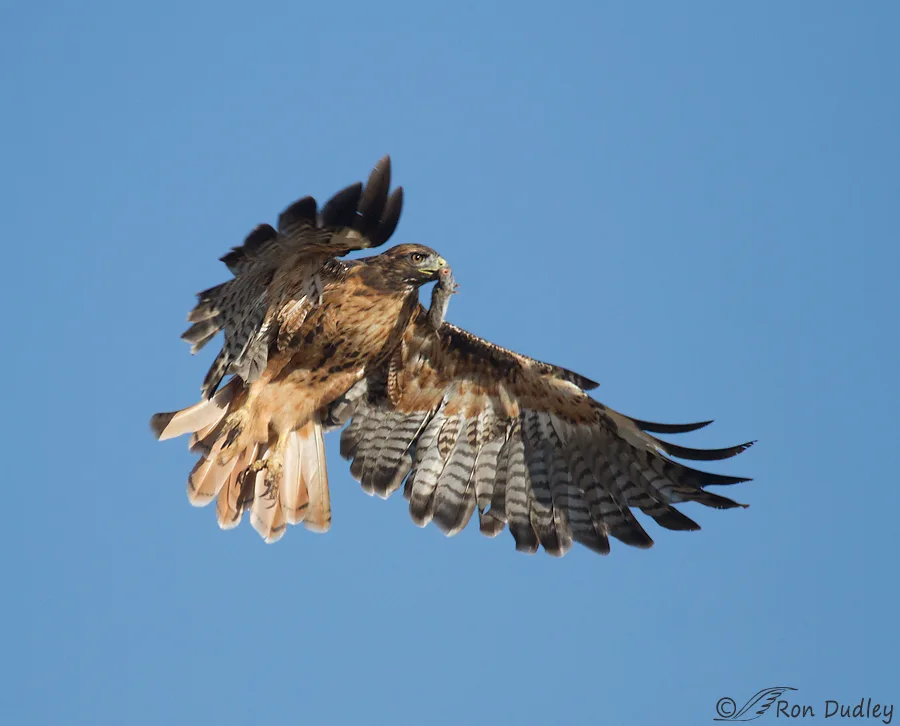
Image source: Web (Bing) / featheredphotography.com (Web image (fair-use with source credit))
Hawks function as apex predators that bridge the gap between static observation and explosive physical action. Their hunting process is not a random chase but a highly structured routine. They evaluate the risk of a strike against the caloric reward of the potential meal.
This decision-making process happens in milliseconds. They monitor air currents, prey visibility, and the level of cover available in their immediate surroundings. When conditions align, they transition from passive scanning to active hunting with precision.
Beyond the Glide: The Anatomy of a Predator

Image source: Web (Bing) / fity.club (Web image (fair-use with source credit))
The secret to a hawk's hunting prowess lies in the structure of its eyes. Unlike humans, hawks possess a fovea with a high density of light-sensitive cells. This allows them to maintain focus on small objects like field mice from hundreds of feet in the air.
This visual acuity creates a massive advantage when scanning vast territories. They don't just see the ground; they detect subtle variations in movement that would be invisible to most other animals. Their brain then processes this visual input to predict the future path of their prey.
Two Paths to the Prize: Perching vs. Aerial Search
Hawks generally follow one of two distinct workflows depending on their species and habitat. The choice between these methods determines how they expend energy throughout the day.
- Perch-and-Pounce: The hawk sits on a high vantage point, such as a tree limb or utility pole. It remains motionless, waiting for prey to wander into a clear sightline. This method conserves significant energy.
- Active Soaring: The bird circles at high altitudes, using thermal currents to stay aloft without flapping. It constantly scans the ground, waiting for a visual trigger to initiate a descent.
These strategies are not mutually exclusive. A hawk might soar for hours before switching to a perch when the winds die down or the light changes. Successful hunters remain flexible, choosing the method that offers the highest success rate in their current environment.
The Physics of the Stoop: Velocity and Precision
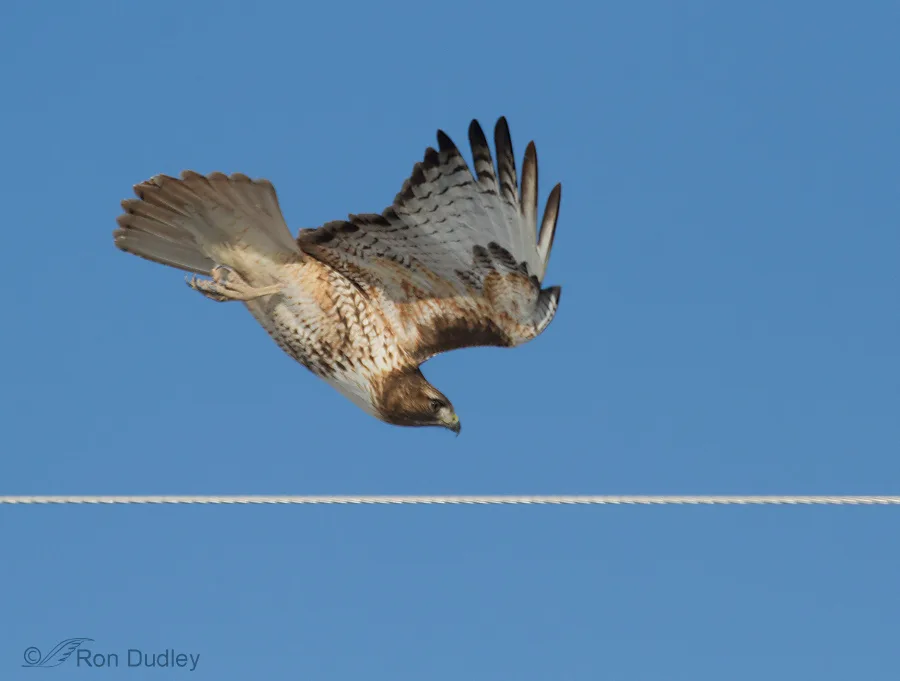
Image source: Bing (Web (fair-use with source credit))
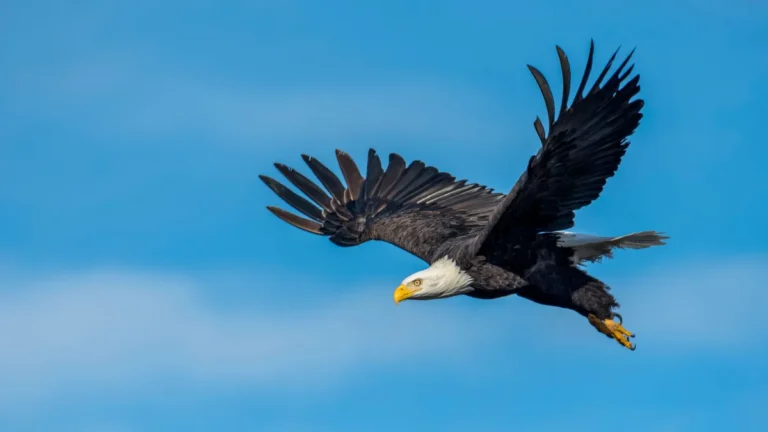
The stoop is the most dramatic part of a hawk's hunting repertoire. This maneuver involves tucking the wings tightly against the body to achieve maximum downward velocity. By minimizing drag, the bird turns into a high-speed projectile that is difficult for prey to anticipate.
While diving, the hawk uses its tail feathers as a rudder to make minute adjustments in flight. Even at these high speeds, the raptor maintains binocular vision to track the target. The impact is almost always lethal because the hawk leads with its talons, which are designed to crush and puncture upon contact.
Navigating the Environment: How Wind and Light Influence the Strike
Environmental conditions are the primary variables that force a hawk to change its tactics. Wind, in particular, acts as a tool for these birds. Many hawks prefer to hunt while facing into a light breeze, which provides extra lift and stability during the final seconds of a strike.
Light refraction also dictates their timing. Most hawks are diurnal, meaning they prefer the bright light of day, but they often struggle with glare. You'll frequently find them hunting in a direction that keeps the sun at their backs.
This illuminates their prey while masking their own approach from the target's perspective.
Staying Out of Trouble: Risks and Constraints in the Hunt
Hunting is a high-stakes activity that carries significant physical risks for a bird of prey. While we often focus on the success of the strike, the danger of striking the wrong terrain is a constant reality. Hawks avoid dense, thorny brush whenever possible to protect their wings and eyes.
A single collision with a branch at high speed can end a hawk's ability to fly. This injury risk forces them to prefer open areas where they can maneuver safely. They also face risks from larger predators or competitive birds that may harass them after a kill.
- Injury Management: They rely on quick recovery and, when necessary, natural healing of minor nicks.
- Territorial Disputes: Hawks spend a portion of their energy defending their hunting grounds from rivals.
- Environmental Obstacles: Dense vegetation limits their field of vision and increases the chance of a crash.
If the environment poses too many threats, the bird will abandon the hunt entirely. They prioritize long-term survival over a single meal.
Common Questions About Raptor Behavior
Do hawks hunt at night?
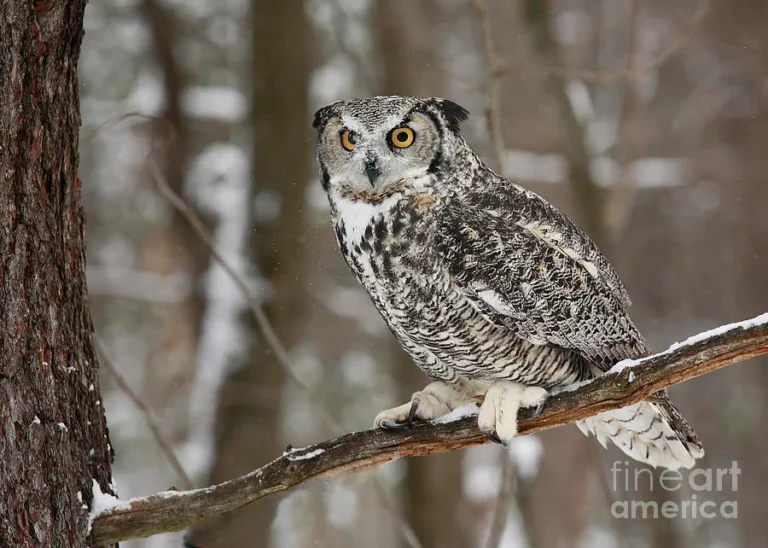
Most hawks are strictly diurnal and hunt only during daylight hours. They lack the specialized night vision of owls, which are built for low-light environments. You might occasionally see a hawk active during twilight, but this is rare and usually due to extreme hunger.
How do hawks know when to strike?
They rely on a mix of visual cues and movement triggers. Once the target passes a certain distance threshold, the hawk initiates the dive. They look for specific behavioral markers, such as prey that stops moving or becomes distracted by the environment.
Do hawks work together to catch food?
While some species are solitary, others have been observed engaging in cooperative hunting. They may flush prey out from different directions to confuse it. This behavior is most common among younger hawks learning the ropes or in species that target fast-moving prey.
How much can a hawk eat in one sitting?
Hawks can consume a significant portion of their body weight in a single meal. They often eat the internal organs first because they are nutrient-dense. After a large meal, you might see them sitting motionless for hours to digest their catch.
Evaluating Hunting Success: The Reality of Survival
Success in the wild is not guaranteed for every attempt. In our research, we've found that even the most skilled hawks fail in the majority of their hunting attempts. The margin for error is razor-thin, and prey animals are often faster or more aware than they seem.
Tracking success requires looking at the ratio of dives to kills. A highly skilled hawk may only secure a meal every few hours of active searching. They manage these low success rates by keeping their metabolic needs balanced and choosing prey that offers the highest caloric return.
| Success Factor | Impact on Hunt |
|---|---|
| Wind Speed | High wind improves stability for soaring. |
| Prey Density | Higher density areas increase strike frequency. |
| Sun Position | Proper positioning hides the strike path. |
| Metabolic State | Hunger levels dictate the risk they'll take. |
For a raptor, the hunt is a calculated gamble. They balance the energy cost of the dive against the certainty of the outcome. Over time, experienced birds learn which conditions and terrains yield the most consistent results, making them more effective hunters as they age.