Peregrine Falcon Facts
The peregrine falcon is widely recognized as the fastest member of the animal kingdom. These raptors dominate the skies across nearly every continent, adapting to environments ranging from remote sea cliffs to the heart of bustling city centers.
As of 2026, research from the Cornell Lab of Ornithology confirms these birds reach speeds exceeding 240 mph during their hunting dives. Their unique physiological design allows them to withstand immense physical forces, making them one of nature's most effective aerial hunters.
Quick Answer
Peregrine falcons are the fastest animals on Earth. They hunt other birds mid-air during high-speed dives. These raptors live on every continent except Antarctica.
They prefer nesting on high cliffs or tall buildings. Their bodies have special features to handle extreme diving speeds.
The Engineering Behind the World's Fastest Predator
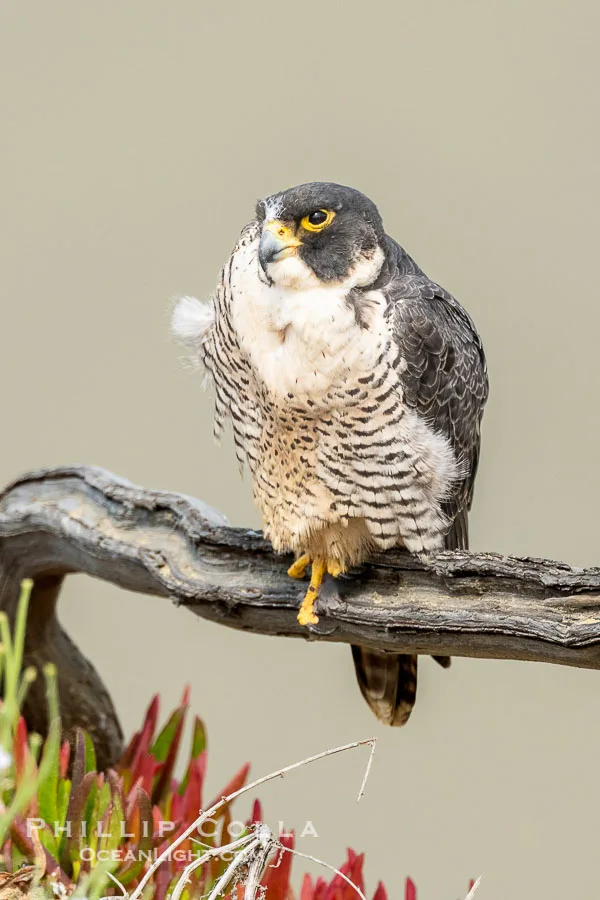
Image source: Bing (Web (fair-use with source credit))
The peregrine falcon is a biological marvel designed for high-velocity pursuit. Unlike many other raptors that rely on sheer strength or endurance, this bird functions like a living projectile. Its body is streamlined to minimize drag while maximizing kinetic energy during a hunt.
These birds reach their top speeds by entering a "stoop," a specialized dive that converts height into pure velocity. During this process, they tuck their wings tightly against their bodies to reduce air resistance. This shift in form allows them to slice through the air with surgical precision.
Researchers emphasize that the success of a peregrine falcon depends on this aerodynamic efficiency. The bird’s skeleton is rigid, and its muscles are optimized for rapid, powerful wing strokes when it isn't in a dive. This combination of structural strength and low-drag design keeps them at the top of the avian food chain.
Unpacking the Mechanics of the Stoop
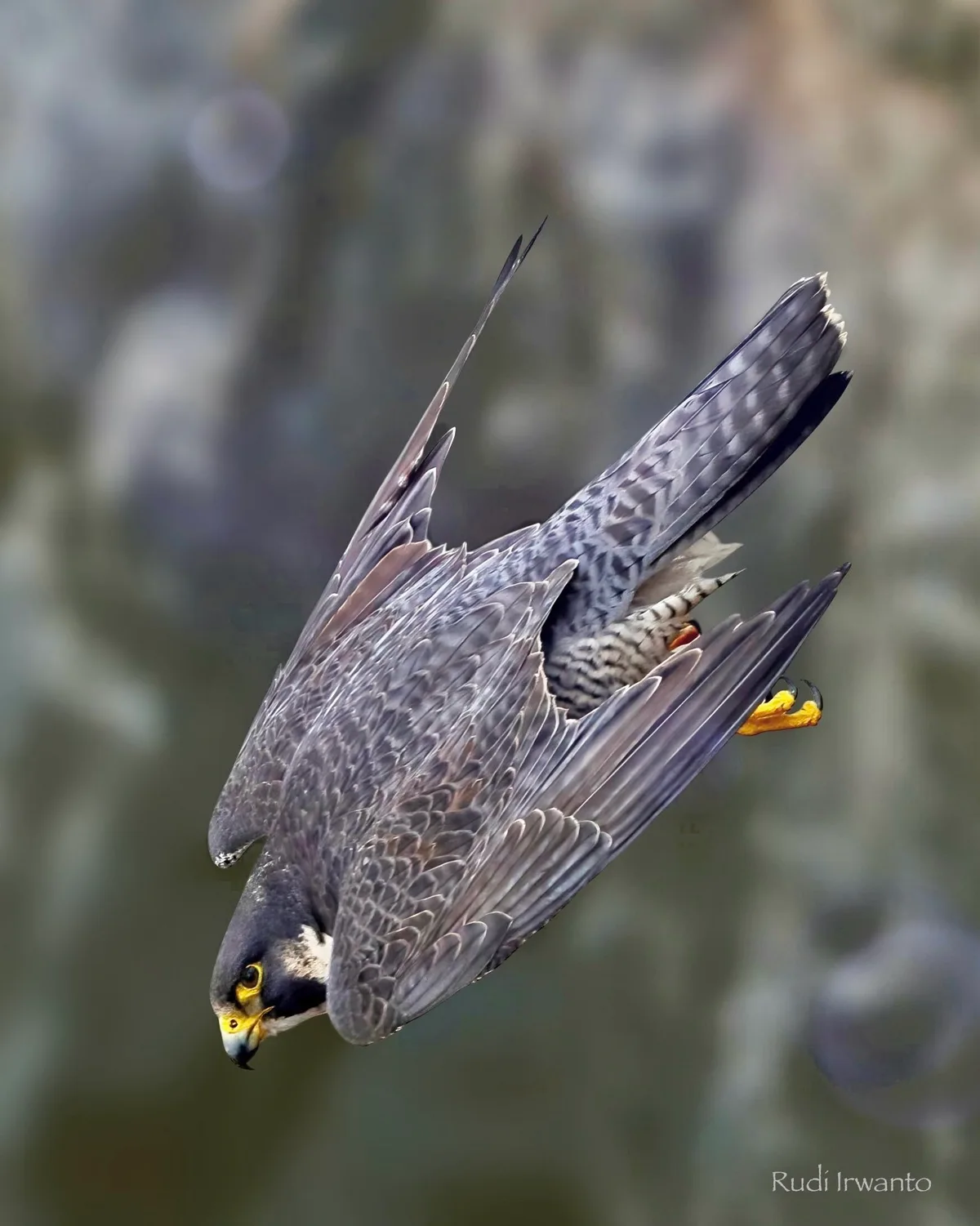
Image source: Web (Bing) / artofit.org (Web image (fair-use with source credit))
The stoop is more than just a fast fall. It is a highly coordinated hunting tactic that requires significant spatial awareness and physical control. When a falcon spots prey from a high vantage point, it rolls over and dives, often reaching speeds that would be fatal to less specialized creatures.
While diving, the falcon makes constant, minute adjustments to its wing position. These adjustments allow the bird to track erratic prey even at extreme velocities. If the prey moves, the falcon shifts its body angle to intercept the target before it can escape.
The physics involved in a 200 mph dive are intense. The bird must calculate the exact moment of impact to ensure it hits its target with sufficient force to stun it instantly. This level of precision is why the peregrine falcon remains one of the most successful predators in the bird world.
Evolutionary Adaptations for High-Velocity Hunting
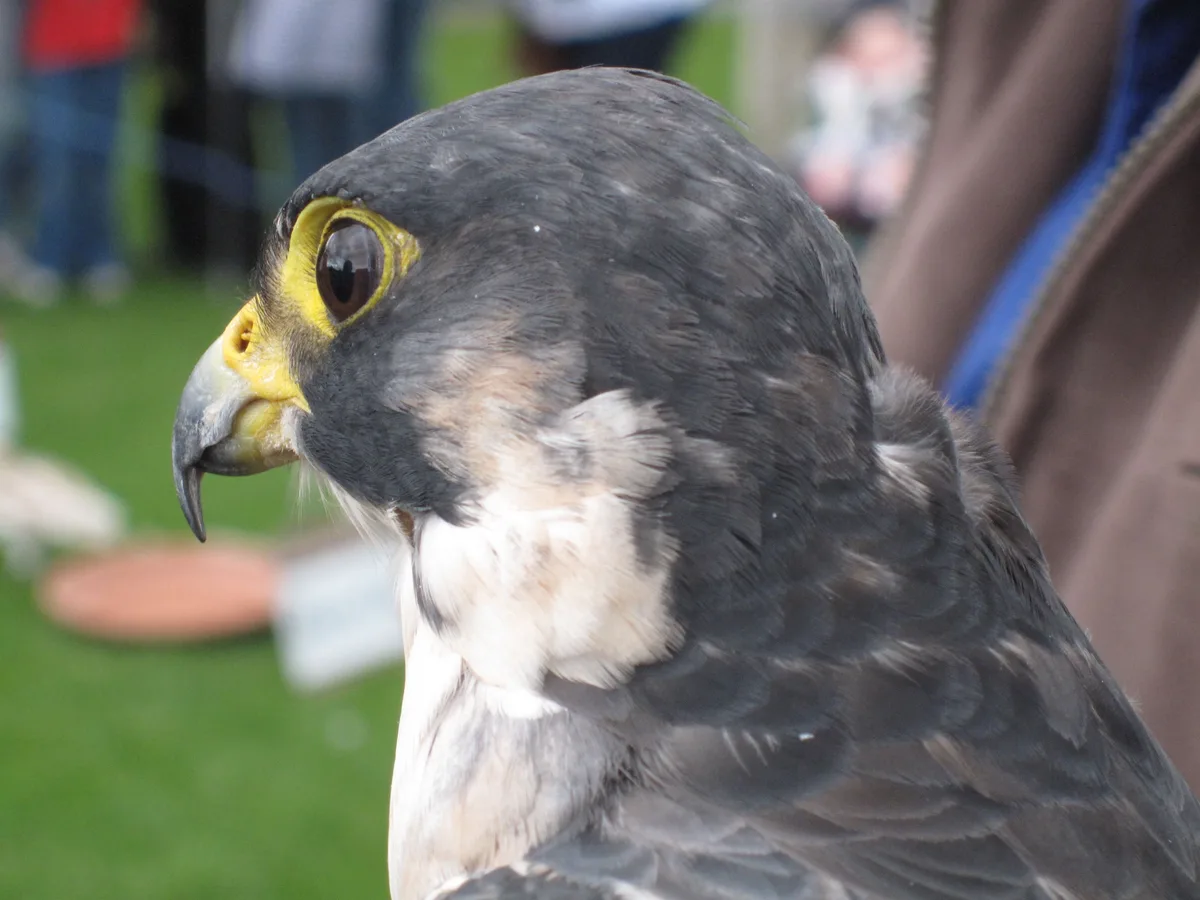
Image source: Web (Bing) / jp.pinterest.com (Web image (fair-use with source credit))
Speed alone wouldn't make the peregrine such an effective hunter without its protective adaptations. The air pressure during a high-speed dive is powerful enough to damage delicate internal structures. Fortunately, these falcons possess specialized features to protect their vital organs during the descent.
One of the most important features is the presence of small bony tubercles inside the nostrils. These act as baffles to slow the air intake, allowing the bird to breathe easily even when moving at extreme velocities. Without these, the air would rush into their lungs with enough force to cause significant trauma.
| Adaptation | Function |
|---|---|
| Nictitating Membrane | Clears debris and keeps the eye moist |
| Nasal Tubercles | Regulates air pressure for breathing |
| Tomial Tooth | Provides a precise killing bite |
| Stiff Feathers | Prevents fluttering and reduces drag |
Additionally, the tomial tooth on the upper beak is essential for their survival. This small notch allows the bird to deliver a quick, fatal bite to the spine of its prey. These evolutionary traits ensure that the falcon can hunt safely and efficiently in almost any environment.
Navigating Human Environments: From Cliffs to Skyscrapers
Peregrine falcons are famously adaptable, which has helped them thrive in human-modified landscapes. Historically, they preferred nesting on high, remote cliffs where they had a clear view of the surrounding terrain. Today, many populations have transitioned to urban settings, finding that skyscrapers and bridges replicate these cliff-side conditions.
This shift to urban environments has been a fascinating study for conservationists. Cities provide two main requirements for these birds: a high, secure place to roost and a constant supply of prey, such as pigeons. This creates a mutually beneficial relationship, as the falcons help manage urban bird populations.
However, living in a city comes with its own set of challenges. Falcons must contend with glass surfaces, which can be difficult to see at high speeds, and complex wind tunnels created by tall buildings. Despite these risks, the success of urban peregrine populations proves just how resilient and intelligent these raptors truly are.
Success and Resilience: The Conservation Journey
The history of the peregrine falcon is a significant chapter in modern conservation. During the middle of the 20th century, the species faced a massive population decline across North America. The primary culprit was the widespread use of DDT, a pesticide that accumulated in the food chain.
This chemical caused the shells of falcon eggs to become critically thin, leading to widespread nesting failure. The U.S. Fish and Wildlife Service played a lead role in the recovery process, which included banning the harmful pesticide and implementing captive breeding programs.
The species was eventually removed from the endangered list as populations stabilized.
The recovery of the peregrine falcon is frequently cited as a major victory for environmental policy. It shows that when we identify the root cause of an ecological issue, targeted intervention can successfully restore a species to health. Today, these birds remain an essential indicator species for the overall quality of our environment.
Observing Peregrines Responsibly: Field Identification and Ethics
Spotting a peregrine falcon in the wild is a highlight for many birders, but it requires patience and a deep respect for the animal. You'll want to use high-quality binoculars or a spotting scope, as these birds often choose perches far above the ground. Look for their distinct silhouette, which features a compact body, long pointed wings, and a short tail.
When observing a nesting site, keep a significant distance to avoid disturbing the family. Falcons are highly protective of their territory, and human presence can cause them to abandon an active nest. If you see the birds acting defensively, such as flying in tight circles or making loud, piercing vocalizations, you are too close.
Back away slowly until the behavior subsides.
Keep in mind that these birds are legally protected under various national and international laws, including the Migratory Bird Treaty Act in the United States. Harassment, even unintentional, can lead to severe penalties or negative impacts on the local population. Always prioritize the welfare of the birds over your opportunity to get the perfect photograph.
- Optimal Gear: 8×42 or 10×42 binoculars for general spotting.
- Best Time: Dawn and dusk, when the birds are most active.
- Behavioral Cues: Watch for the "scrape" on cliff ledges or high-rise building corners.
- Ethics: If the bird changes its behavior because you are there, you are definitely too close.
FAQs: Common Questions About Peregrine Behavior and Biology
Why do peregrine falcons choose tall city buildings to nest?
They view skyscrapers as artificial cliffs that provide the same safety and vantage points found in their natural habitat. Tall structures allow them to spot prey from great distances, and the ledges provide secure areas for their young. These urban cliffs also offer protection from ground-based predators.
How do they catch prey in mid-air at such high speeds?
The falcon strikes its prey by clenching its talons into a fist, delivering a powerful punch that instantly disables the target. This technique prevents the bird from breaking its own wings or toes during a high-speed collision. Once the prey is knocked out of the air, the falcon catches it on its descent or retrieves it from the ground.
Do peregrine falcons stay in the same place all year?
Many populations are migratory, moving south during the winter months to find better food sources, while others are residential. Those living in temperate or urban environments often stay in the same territory year-round if the food supply remains constant. Migration routes are often determined by the seasonal patterns of the birds they hunt.
Can peregrine falcons see during their high-speed dives?
They have exceptional vision that allows them to track fast-moving prey even during their descent. Their eyes are built to handle the wind and air pressure, utilizing a specialized protective membrane to maintain clarity. This visual acuity is one of their most vital hunting assets, enabling them to make precise adjustments at speeds over 200 mph.
What is the difference between a male and a female peregrine?
The species exhibits sexual dimorphism, meaning the females are significantly larger than the males. Males are commonly referred to as tiercets, while the larger females are called falcons. This size difference helps the pair avoid competing for the same size prey, which effectively maximizes the hunting efficiency of the family unit.