Why Do Rabbits Lick Their Owners?

Image source: Bing (Web (fair-use with source credit))
Ever had your rabbit give you a little lick, maybe on your hand or even your face? It can be a super sweet moment, and it’s totally natural to wonder what it means. Think of it as your furry friend’s way of saying hello, showing affection, or maybe even communicating something else entirely!
As someone who's spent a lot of time with rabbits, I can tell you that understanding their little quirks makes living with them even more rewarding. So, let's break down why your rabbit might be licking you, from the adorable reasons to the ones that might need a little attention.
Quick Answer
Rabbits lick their owners primarily as a sign of affection and social bonding. This behavior mirrors the grooming they perform with other rabbits, indicating trust and a feeling of security. They may also lick to taste something interesting on your skin, to seek attention, or out of simple curiosity.
The Sweet Stuff: Affection and Bonding
When your rabbit offers you a gentle lick, it's often a deeply rooted instinct tied to their social structures. In the wild, rabbits live in groups and rely on mutual grooming to strengthen their bonds. This physical contact reinforces their social hierarchy and promotes a sense of unity and safety within the warren.
When your pet licks you, they're extending that same behavior, treating you as a valued member of their social circle.
Grooming and Affection as Social Bonds
The act of licking is a direct translation of social grooming behaviors seen in rabbit colonies. Rabbits will often groom their companions on the head, ears, and back, a practice that helps to maintain social relationships and create a shared scent within the group. Your rabbit licking you is essentially performing this same affectionate ritual, signifying that they accept you and feel comfortable in your presence.
This mimicry of social grooming is a powerful indicator of a strong, positive connection between you and your pet.
Trust and Comfort Signs
Licking is an intimate behavior for rabbits. It's something they reserve for individuals they trust implicitly. When a rabbit licks you, it demonstrates a profound level of comfort and security in your company.
They are not on high alert; they feel safe enough to engage in a vulnerable activity like grooming. This trust is built over time through consistent positive interactions, providing them with a secure environment, and respecting their natural behaviors.
Beyond the Kiss: Other Reasons to Lick
While affection is a major player, there are a few other reasons your rabbit might be giving you some tongue action. Understanding these can give you a clearer picture of what's going on in their furry little heads.
Taste Temptation and Food Cues
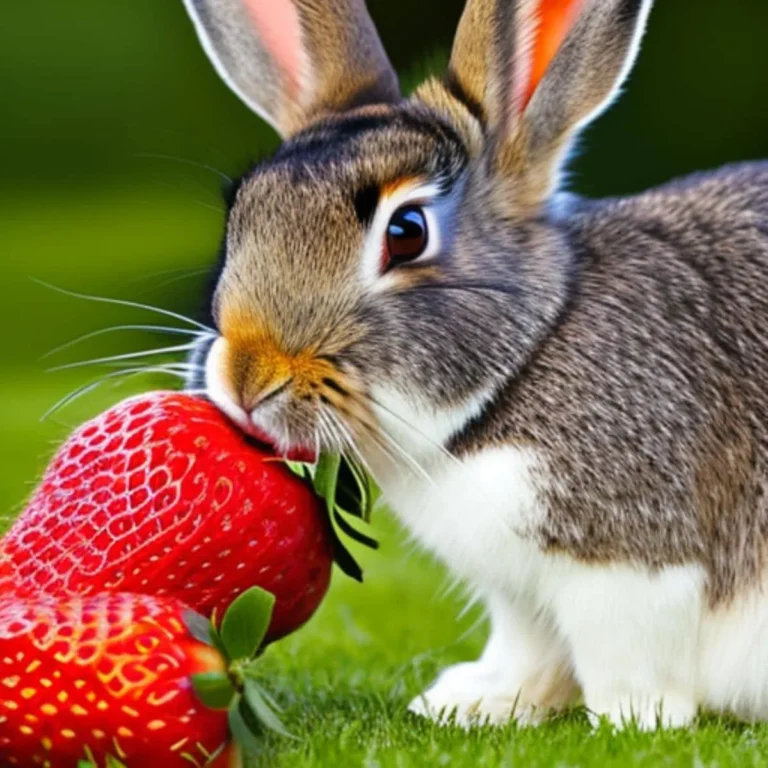
Rabbits have incredibly sensitive senses of smell and taste. If you've recently handled food, especially something sweet or savory, your rabbit might be drawn to the lingering scent or taste on your skin. They might be curious about what you've been eating or hoping for a little accidental treat.
It’s not uncommon for them to lick your hands or fingers after you’ve been eating, almost like they’re double-checking if you missed any crumbs.

Image source: Bing (Web (fair-use with source credit))
This curiosity about taste is a normal part of their exploration. It’s their way of investigating the world around them, and your scent is part of that world. They might be particularly attracted to the saltiness of your skin after a workout, or the remnants of a snack you enjoyed.
Seeking Attention Through Licking
Sometimes, a lick can be a gentle, and often effective, nudge to get your attention. Rabbits learn through reinforcement. If your rabbit licks you and you immediately respond by petting them, talking to them, or giving them a small treat, they quickly associate licking with positive interaction.
Over time, this can become a learned behavior for them to initiate contact when they want to play, be petted, or simply feel acknowledged. It’s their way of saying, "Hey, don't forget about me!"
This learned behavior is a sign of intelligence and adaptability in rabbits. They figure out what actions garner a response from their humans. So, while it’s delightful to receive affection, it’s also a communication tool they’ve mastered to engage with you more directly.
Curiosity and Exploration
Rabbits are naturally curious creatures who explore their surroundings primarily through scent and taste. Their mouths and noses are their primary tools for investigating new things. When they lick you, they might simply be gathering information about you.
They’re analyzing your scent, texture, and any subtle flavors that might be present on your skin. This is part of how they build a comprehensive understanding of their environment and the individuals within it.
This exploratory licking is especially common in younger rabbits or those new to a home. They are still learning about their territory and the humans who inhabit it. It’s a safe and low-risk way for them to gather sensory data.
The aggregate data from such investigations helps them form a complete picture of who you are and whether you are a friend.
When to Pay Closer Attention: Red Flags in Licking Behavior
Most of the time, a rabbit's lick is a sign of affection or curiosity. However, like any animal behavior, it can sometimes signal something more. It's important to be able to distinguish between a friendly gesture and a potential indicator of stress, anxiety, or even an underlying health concern.
Our research shows that understanding subtle shifts in behavior is key to responsible pet ownership.
Excessive or Forceful Licking
If your rabbit's licking goes from a few gentle nips to persistent, almost frantic licking, it's worth observing more closely. Excessive licking can sometimes be a sign of stress or anxiety in rabbits. They might be trying to self-soothe, similar to how a person might bite their nails when nervous.
This compulsive behavior can be directed towards themselves, their environment, or even their owners.
In some cases, this over-grooming or licking can become so intense it leads to fur loss or skin irritation. It’s crucial to identify potential triggers for this behavior, such as changes in their environment, loud noises, or shifts in routine, and address them to help your rabbit feel more secure.
Licking as a Distress Signal
Rabbits are prey animals and are naturally adept at hiding signs of illness or distress. They might not overtly show pain or discomfort, but subtle behaviors can provide clues. If your rabbit is unusually clingy and excessively licking you, especially if accompanied by other changes like reduced appetite, lethargy, or altered litter box habits, it could be their way of seeking reassurance or trying to communicate that something is wrong.
Their instinct is to appear healthy to avoid predation. Therefore, any deviation from their normal behavior, including unusual licking patterns, should be taken seriously. A sudden increase in licking could be a subtle plea for attention because they are not feeling well.
Sudden Changes in Licking Habits
Consistency is key when it comes to understanding your rabbit's unique personality and behaviors. If your rabbit has a history of not being a licker, and suddenly begins to lick you frequently, or if a once-gentle licker becomes rough or persistent, this shift warrants attention. Such a change can indicate a new emotional state or a physical discomfort they are trying to express.
It’s helpful to document these changes. Note when the behavior started, how frequent it is, and if it’s associated with any other unusual actions. This detailed observation can be invaluable if you need to consult with a veterinarian.
According to current veterinary guidelines, abrupt changes in behavior are often the first indicators of potential issues.
What to Do If You're Concerned: Next Steps
When you notice any of these potentially concerning licking behaviors, the most important thing is to stay calm and gather information. Don't panic, but don't dismiss the signs either. Your observant actions can make a big difference in ensuring your rabbit’s well-being.
Think of yourself as their detective, piecing together clues to help them.
Observing Your Rabbit's Environment and Health
Before you jump to conclusions or schedule a vet visit, take a moment to thoroughly assess your rabbit's living situation and their overall physical condition. Has anything changed recently? Even minor adjustments can sometimes trigger behavioral shifts.
- Environment Check: Look for anything new that might be causing stress. This could include new furniture, changes in room layout, a different pet in the house, or even more activity than usual. Loud noises, sudden temperature fluctuations, or an unkempt living space can also be stressors. A clean, quiet, and stimulating environment is crucial for a rabbit’s mental health.
- Health and Routine Monitoring: Pay close attention to their daily habits. Are they eating and drinking normally? Is their litter box usage consistent? Changes in appetite, water intake, or the consistency and frequency of their droppings are significant indicators of health issues. Are they as active as usual, or do they seem more lethargic? Are they grooming themselves properly? Any dips in these fundamental routines are red flags.
By meticulously observing these factors, you can often identify potential environmental stressors or early signs of illness that might be contributing to unusual licking behavior.
Consulting a Rabbit-Savvy Veterinarian
If, after observing their environment and health, you still have concerns about your rabbit's licking behavior, or if you see clear signs of distress or illness, it’s time to seek professional advice. Not all veterinarians have specialized experience with rabbits, so finding one who does is critical for accurate diagnosis and effective treatment.
A rabbit-savvy vet can perform a thorough physical examination, looking for any underlying medical conditions that might be causing the behavior. They can also offer tailored advice based on your rabbit's specific situation, age, and breed.
Key things a rabbit-savvy vet will assess:
- Dental Health: Issues with a rabbit's teeth can cause discomfort and lead to unusual behaviors.
- Digestive System: Problems in the gut are common in rabbits and can manifest in various ways.
- Skin and Coat Condition: External irritations or parasites could prompt excessive grooming or licking.
- Behavioral Assessment: They can help differentiate between a normal behavior and one that indicates a problem.
Don't hesitate to make that appointment if you're worried. Your proactive approach is the best way to ensure your furry friend stays happy and healthy.
Final Recommendation: Nurturing the Bond Through Understanding
Ultimately, your rabbit's licking behavior is a beautiful, nuanced aspect of your relationship. The vast majority of the time, these gentle nips and licks are a testament to the trust and affection they feel for you. By understanding the underlying reasons, you can better appreciate these moments and respond appropriately.
When interpreting your rabbit's licks, always consider the context. Are they grooming you as they might groom a bonded companion? Are they investigating something new on your skin?
Or are they seeking your attention? Each scenario offers insight into your rabbit’s world and their communication style. Remember that the goal is always to foster a secure and loving environment where these positive interactions can flourish.
For owners, the key takeaway is to remain observant and responsive. A rabbit’s behavior is their primary language, and licking is one of its most endearing dialects. By paying attention and responding with patience and care, you strengthen the bond you share, ensuring a happy and healthy life together for both of you.
As of 2026, established practices in animal behavior science emphasize positive reinforcement and observational learning for building strong pet-owner relationships.