Can Rabbits Eat Broccoli?
So, you're wondering if that bit of broccoli you've got lying around is a safe snack for your bunny? It's a really common question, and honestly, the answer isn't a simple "yes" or "no." Like most things with our furry friends, it's all about how you do it.
Think of it like this: you can eat a huge bowl of salad, but if you only ate broccoli all day, every day, you probably wouldn't feel too great, right? It's similar for rabbits. Per veterinarian guidelines, a rabbit's diet should primarily consist of unlimited timothy hay, with fresh water always available and a small portion of high-quality pellets.
Quick Answer
Yes, rabbits can eat broccoli, but only in very small amounts as an occasional treat. Broccoli can cause gas and digestive upset in rabbits if given too frequently or in large quantities. Start with a tiny piece and monitor your rabbit closely for any adverse reactions.
Can Rabbits Eat Broccoli?
The short answer is yes, but it comes with a significant asterisk: moderation is absolutely crucial. Broccoli, while containing some beneficial nutrients, can also cause gas and digestive distress in rabbits if they consume too much of it. We've all seen our bunnies get a little gassy after a new food, but with broccoli, it can be more intense if they overdo it.

Image source: Bing (Web (fair-use with source credit))
This means that while you can offer your rabbit a small piece of broccoli now and then, it should never become a dietary staple. Their main food should always be unlimited access to good quality timothy hay, along with fresh water and a measured amount of quality pellets. If you're new to feeding fresh greens to your rabbit, it's wise to start with more commonly recommended, easily digestible options like romaine lettuce or parsley before introducing something like broccoli.
Why the Caution with Broccoli for Rabbits?
Rabbits have highly sensitive digestive systems, and their gut health is paramount to their overall well-being. The primary reason for caution with broccoli is its potential to cause gas. This gas can build up in their digestive tract, leading to discomfort, pain, and in severe cases, a life-threatening condition known as bloat or gastrointestinal stasis (GI stasis).
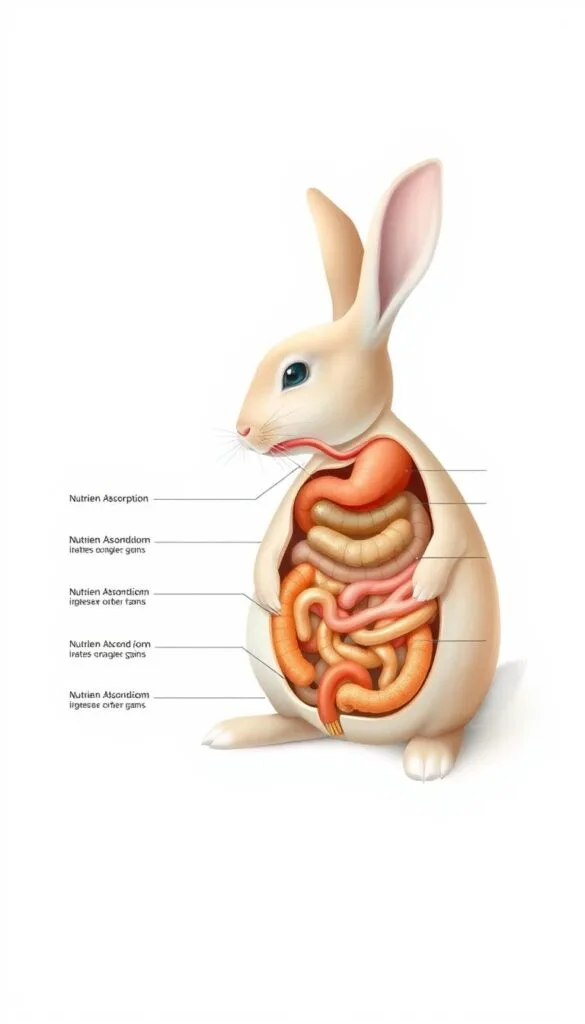
Image source: Web (Bing) / hutchandcage.com (Web image (fair-use with source credit))
This isn't to say broccoli is inherently bad for all rabbits. Many rabbits can tolerate small amounts without issue. However, because the risks are significant, it's essential to understand the potential problems before you offer it.
A rabbit's digestive system relies on a delicate balance of bacteria to break down fiber. Introducing new foods, especially those known to cause gas, needs to be done with careful consideration of this balance. As of 2026, veterinary guidance still strongly emphasizes a hay-based diet for rabbits, with vegetables as supplementary treats.
How to Safely Offer Broccoli to Your Rabbit
If you've decided to give your rabbit a taste of broccoli, the key is to introduce it slowly and observe them carefully. This approach minimizes the risk of digestive upset and allows you to gauge your individual rabbit's tolerance. Remember, every rabbit is different, and what one bunny handles well, another might not.
Start Small and Observe
The absolute first step when introducing broccoli is to offer an extremely small piece. We're talking about a piece no larger than your thumbnail. This tiny amount is just to see how their system reacts.
After they've eaten the small piece, you need to monitor your rabbit closely for at least 24 hours. Look for any changes in their behavior or droppings. Signs of distress can include lethargy, a decreased appetite, a lack of droppings, or straining to poop.
If you notice any of these symptoms, stop offering broccoli immediately and consult your veterinarian.
Portion Size and Frequency
If your rabbit tolerates the initial small piece well, you can offer a slightly larger piece (still no bigger than a thumbnail) as an occasional treat. This means it should not be a daily occurrence. A good guideline is to offer broccoli no more than once or twice a week, and even then, only as a small addition to their regular diet.
Overfeeding any treat, even a healthy one, can disrupt a rabbit's digestive balance. It’s easy to get carried away when your bunny seems to enjoy a new food, but consistency with their primary diet is what keeps them healthy. For context, a balanced diet for an adult rabbit typically includes about one cup of leafy greens per 2 pounds of body weight daily, and broccoli should only be a tiny fraction of that.
Washing and Preparation
Always wash broccoli thoroughly before giving it to your rabbit. This removes any lingering pesticides or dirt that could be harmful. You can rinse it under cool running water and gently pat it dry with a clean paper towel.
Some owners find that their rabbits tolerate the stems of the broccoli better than the florets, as they might be less concentrated in the components that cause gas. You can offer a small piece of stem if you wish. However, regardless of the part of the broccoli you offer, the principles of small portions and careful observation remain the same.
This diligent preparation ensures you're providing a safe experience for your pet.

Image source: Web (Bing) / hutchandcage.com (Web image (fair-use with source credit))
What About Other Parts of the Broccoli Plant?
Beyond the familiar florets, the broccoli plant also has leaves and stalks. These parts are also technically edible for rabbits and can offer a slightly different texture and nutrient profile. Just like with the florets, it's essential to introduce these new parts of the plant gradually and in moderation.
The leaves of the broccoli plant are often considered more nutritious than the florets, providing a good source of vitamins and minerals. However, they can also be a source of gas if fed in excess. The stalks, as mentioned earlier, tend to be tougher and may be easier for some rabbits to digest.
When considering these parts, always remember to wash them thoroughly to remove any contaminants, just as you would with the florets.
Think of the entire broccoli plant as a single food item that needs to be introduced carefully. If you're starting with broccoli, it's generally recommended to begin with the florets as they are the most common form people offer. Once you've established your rabbit tolerates a tiny amount of floret, you can then experiment with a minuscule piece of stem or leaf, continuing your vigilant observation for any signs of digestive upset.
If your rabbit has shown sensitivity to other cruciferous vegetables, it might be best to stick to safer greens.
When to Skip Broccoli for Your Rabbit
While many rabbits can handle small amounts of broccoli, there are specific situations where it's best to avoid offering it altogether. These situations often relate to a rabbit's pre-existing health conditions or their current dietary stage. Prioritizing your rabbit's specific needs will always lead to the best outcomes.
Digestive Issues
If your rabbit has a history of digestive problems, such as frequent bouts of GI stasis, diarrhea, or a generally sensitive stomach, broccoli is likely a food to steer clear of. Introducing a gassy vegetable to an already compromised digestive system can exacerbate their issues and potentially lead to a serious health crisis. It's always better to stick to the most easily digestible foods in these cases, like plain timothy hay and a vet-approved diet.
New to Greens
If your rabbit is relatively new to eating fresh vegetables and greens, it's wise to start with varieties that are generally considered safer and easier to digest. These might include things like romaine lettuce, dark leafy lettuces (avoiding iceberg), cilantro, or parsley. These options are less likely to cause gas compared to broccoli.
Once your rabbit is accustomed to a varied diet of these safer greens and tolerates them well, you can then consider introducing broccoli in very small, experimental amounts.
Unsure or Sensitive Rabbits
Ultimately, if you're ever uncertain about whether a particular food is suitable for your rabbit, the safest bet is to avoid it. Some rabbits are simply more sensitive than others, and what works for one might not work for another. Pay attention to your rabbit's individual reactions to different foods.
If they seem generally prone to digestive issues or have had negative reactions to new foods in the past, it's best to err on the side of caution and stick to their established, safe diet. Your veterinarian can always provide personalized advice for your rabbit's specific dietary needs.
What Are the Risks of Feeding Broccoli?
The primary risks associated with feeding broccoli to rabbits stem from its tendency to cause gas. This can lead to a cascade of digestive problems. When excess gas builds up in a rabbit's intestines, it can cause significant discomfort and pain.
This discomfort can lead to a rabbit becoming reluctant to move or eat, which is the hallmark of GI stasis. GI stasis is a serious condition where the digestive system slows down or stops altogether. If not treated promptly by a veterinarian, it can be fatal within 24 to 48 hours.
Rabbits are prey animals, so they are very good at hiding pain and illness, which makes early detection of GI stasis crucial.
Gas Build-Up and Bloat
Broccoli is part of the cruciferous vegetable family, which includes other items like cabbage, cauliflower, and kale. These vegetables contain complex sugars that can be difficult for rabbits to fully digest. When these sugars ferment in the hindgut, they produce a lot of gas.
A small amount of gas is normal, but too much can cause the stomach and intestines to distend painfully.
This distension is what leads to bloat, a condition where the abdomen becomes visibly swollen and hard. Rabbits with bloat will often appear distressed, may grind their teeth (a sign of pain), and their breathing can become shallow. Prompt veterinary intervention is required, often involving pain medication, motility drugs, and supportive care.
Digestive Upset
Beyond severe bloat, too much broccoli can simply cause general digestive upset. This might manifest as softer stools, loose droppings, or even temporary refusal to eat their regular food. While not as immediately life-threatening as GI stasis, these symptoms indicate that their digestive system is struggling.
It's a sign that the food introduced was not well-tolerated and should be removed from their diet. This reinforces why the "start small" rule is so important; it helps identify individual sensitivities before a significant problem arises.
Is Broccoli a Staple or a Treat?
This is a crucial distinction for rabbit owners to understand. Broccoli is definitively a treat, not a staple food. A rabbit's diet should primarily consist of unlimited, high-quality timothy hay.
This forms the bulk of their nutrition and is essential for their digestive health and for wearing down their continuously growing teeth.
A rabbit's daily food intake should look something like this:
- Unlimited Timothy Hay: This should always be available.
- Fresh Water: Always clean and accessible.
- Limited Pellets: Typically, 1/8 to 1/4 cup per 5 pounds of body weight per day, depending on the pellet quality and rabbit's age/health.
- Small Portion of Leafy Greens: About one packed cup of mixed greens per 2 pounds of body weight daily.
Broccoli, if offered, should be a minuscule part of that small portion of leafy greens, and not given every day. Think of it as an occasional "dessert" or "snack," rather than a main course. Its role is purely supplemental and should be a rare addition to an already balanced and appropriate diet.
Frequently Asked Questions About Rabbits and Broccoli
What is the best way to introduce broccoli to a rabbit for the first time?
Always start with a piece no bigger than your thumbnail. Offer it, and then monitor your rabbit closely for 24 hours for any signs of digestive upset like lethargy, reduced appetite, or abnormal droppings.
How much broccoli can a rabbit safely eat?
A safe amount is a very small piece, about the size of your thumbnail, offered only once or twice a week at most. It should never be a regular part of their daily diet.
Can baby rabbits eat broccoli?
No, baby rabbits (kits) should not eat broccoli. Their digestive systems are still developing, and they should be fed primarily their mother's milk and then gradually introduced to alfalfa hay and starter pellets. They should not have adult foods like broccoli until they are much older and their systems are more mature.
What are signs my rabbit is having trouble digesting broccoli?
Signs include gas, bloating, lethargy, loss of appetite, reduced or absent droppings, and teeth grinding (a sign of pain). If you notice any of these, stop feeding broccoli and consult your veterinarian immediately.
Are there any nutritional benefits to feeding rabbits broccoli?
Broccoli does contain some vitamins and minerals, such as Vitamin C and Vitamin K. However, these benefits are outweighed by the risks of gas and digestive upset if it's not fed in very small, infrequent amounts. Their primary nutrition should come from hay and appropriate pellets.