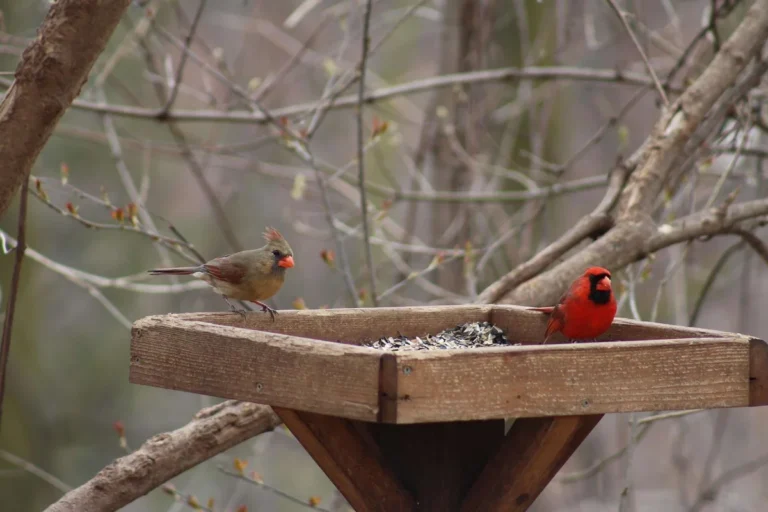
What Do Northern Cardinals Eat
You've probably seen them around, those bright red flashes in your backyard. Understanding what do Northern Cardinals eat is key to keeping these beautiful birds coming back for more. They're adaptable diners with a surprising range of preferences that change with the seasons.
Cardinals are omnivores, meaning their diet isn't limited to just one thing. While seeds form a significant part of their meals, they also enjoy fruits and insects. According to ornithological research from Cornell University, the proportion of seeds versus animal matter can shift dramatically between breeding season and winter, with a higher insect intake crucial for nestlings.
Quick Answer
Northern Cardinals primarily eat seeds, fruits, and insects. Their diet includes black oil sunflower seeds, safflower seeds, berries, and various small invertebrates like grasshoppers and caterpillars. This omnivorous diet provides them with the necessary energy and nutrients year-round.
What Northern Cardinals Love to Eat
Northern Cardinals are not fussy eaters, which helps them thrive in various environments across North and Central America. Their dietary habits are flexible, adapting to what's available throughout the year. This adaptability is a major reason why they are such a common and beloved sight in backyards and parks.
Seeds: The Cardinal Staple
Seeds are the cornerstone of a Northern Cardinal's diet, especially during the colder months when other food sources become scarce. Their strong, conical beaks are perfectly adapted for cracking open the hard shells of various seeds. Among their favorites, black oil sunflower seeds are like a gourmet meal, offering a high fat content essential for energy.
Other seeds they readily consume include:
- Safflower seeds: These are a good alternative to sunflower seeds and are often less attractive to smaller birds like house finches.
- Cracked corn: Cardinals will also peck at cracked corn, though it's not as nutritionally dense as sunflower seeds.
- Wild seeds: In their natural habitat, they forage for seeds from native plants, such as foxtail, ragweed, and pokeweed.
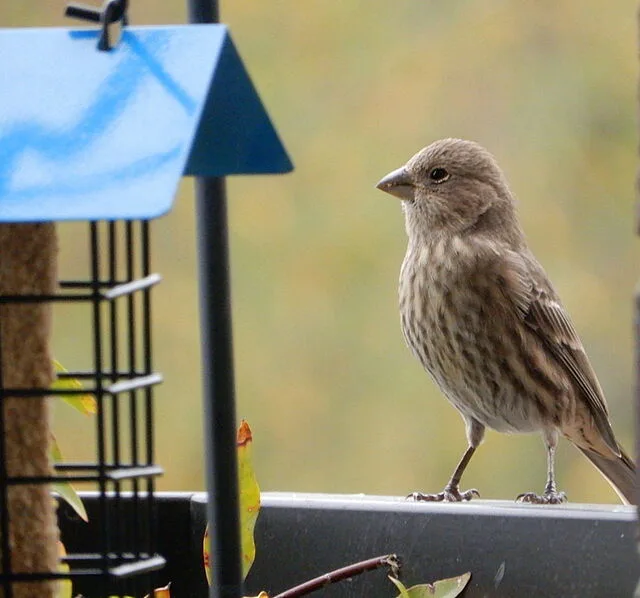
When you're filling bird feeders, opting for a mix that features black oil sunflower seeds will almost certainly attract cardinals. The image below shows a variety of seeds, the kind cardinals are always eager to crack open.
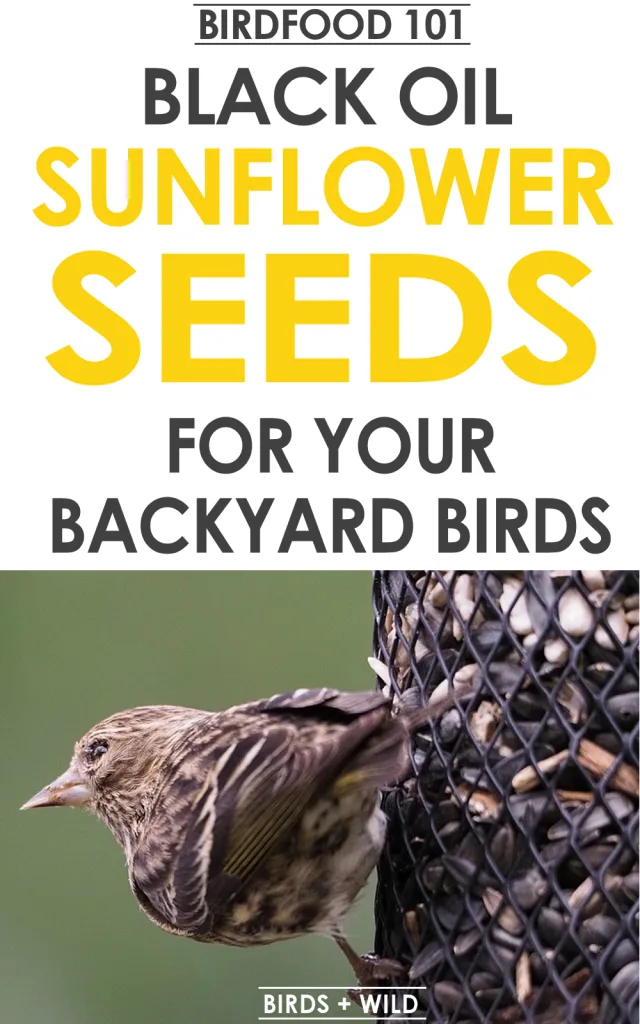
Image source: Bing (Web (fair-use with source credit))
Fruits: A Seasonal Sweet Treat
While seeds are a year-round staple, fruits become a significant part of the Northern Cardinal's diet, particularly in spring and summer. These sweet additions provide essential vitamins, minerals, and hydration. Cardinals are opportunistic feeders and will visit berry-producing shrubs and trees in their territories.
Some common fruits that cardinals enjoy include:
- Mulberries: These small, soft fruits are a favorite.
- Serviceberries (Juneberries): When in season, these are a popular choice.
- Wild grapes: They can often be found feeding on these vines.
- Fruits from ornamental shrubs: Many garden plants, like dogwood or viburnum, offer berries that cardinals will readily consume.
The availability of fruit can greatly influence where cardinals choose to forage. If your yard has fruiting trees or shrubs, you're likely to see more cardinal activity during the fruiting season.
Insects: Vital for Growing Cardinals
Insects play a critical role in the diet of Northern Cardinals, especially during the breeding season when they are feeding young. Baby birds, or nestlings, have high protein requirements for rapid growth, and insects are an excellent source of this essential nutrient. Their diet at this time shifts significantly from seeds to animal matter.
Cardinals will catch a variety of invertebrates, including:
- Grasshoppers and crickets: These are common prey items, often caught on the ground or by quickly snatching them from vegetation.
- Beetles and caterpillars: They’ll glean these from leaves, branches, and sometimes even the ground.
- Spiders: These arachnids are also a regular part of their protein intake.
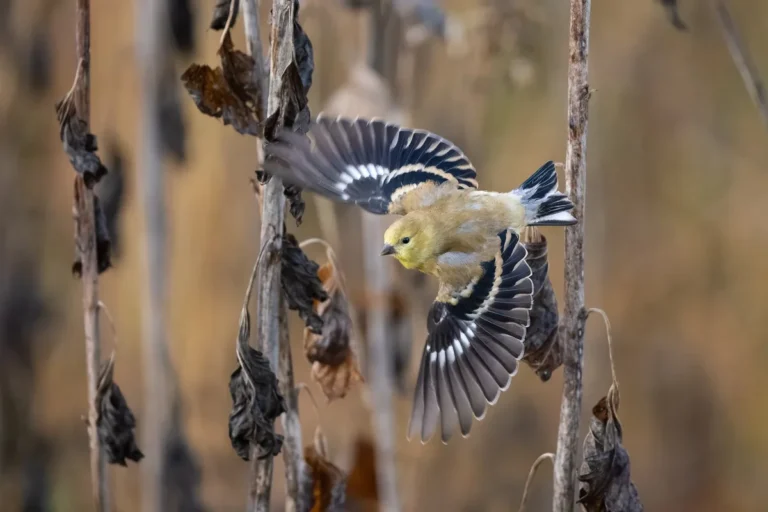
Foraging for insects involves a lot of active searching. Cardinals will often hop on the ground or meticulously search through foliage, using their sharp eyes to spot movement. The image here depicts common insects that are part of a cardinal's diet.
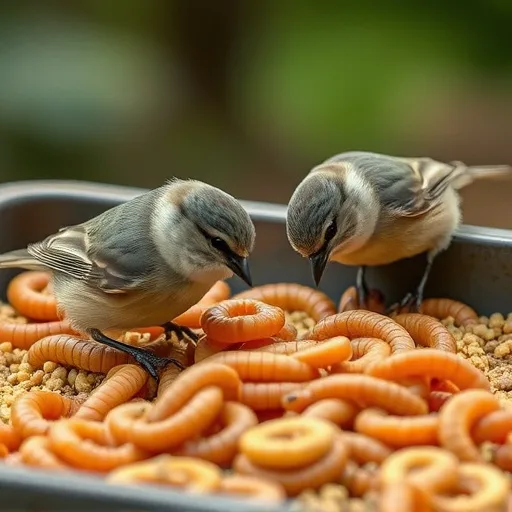
Image source: Bing (Web (fair-use with source credit))
What NOT to Offer Your Cardinals
While cardinals are adaptable, feeding them the wrong things can be detrimental to their health. It's crucial to avoid offering foods that lack nutritional value or could even be harmful. This is especially important if you're supplementing their natural diet with bird feeders.
Here are some items you should steer clear of:
- Bread and bread products: These offer very little in terms of nutrition for birds. They are essentially empty calories and can fill a bird's stomach without providing essential vitamins or energy, potentially leading to malnutrition if consumed in large quantities.
- Salty snacks: Anything with added salt is bad for birds, just as it is for us. Their bodies aren't equipped to process high levels of sodium.
- Moldy or spoiled food: Just like any living creature, birds can get sick from eating contaminated food. Always ensure feeders are clean and food is fresh.
Providing appropriate food helps ensure the health and well-being of the cardinals visiting your yard. As of 2026, leading avian nutrition guides consistently highlight the importance of natural seed, fruit, and insect sources, or commercially prepared bird feeds specifically formulated for seed-eating birds.
How to Set Up a Cardinal-Friendly Feeder
Creating a welcoming space for cardinals involves more than just putting out food; it's about offering the right kind of food in the right kind of feeder. Cardinals aren't the smallest backyard birds, and their feeding habits influence what works best. A good feeder setup means considering their size and their preferred foods.
Here's how to make your feeder cardinal-friendly:
- Choose the right feeder type: Tray or platform feeders are excellent because they offer plenty of space for larger birds like cardinals to perch and feed comfortably. Hopper feeders also work well if they have wide feeding trays. Avoid feeders with small perches that might be too difficult for them.
- Select the best food: As we’ve discussed, black oil sunflower seeds are a top choice. Safflower seeds are also a great option. You can buy these in bulk or as part of a high-quality mixed birdseed. Cracked corn can be offered in moderation.
- Placement matters: Cardinals prefer feeders that are somewhat protected by nearby trees or shrubs. This gives them a sense of security and a quick escape route if a predator appears. Ideally, place the feeder within 10-15 feet of cover.
- Keep it clean: Regular cleaning is vital to prevent mold and disease. Aim to clean feeders every couple of weeks, or more often if they become wet or visibly soiled. A mild soap and water solution, rinsed thoroughly, usually does the trick.
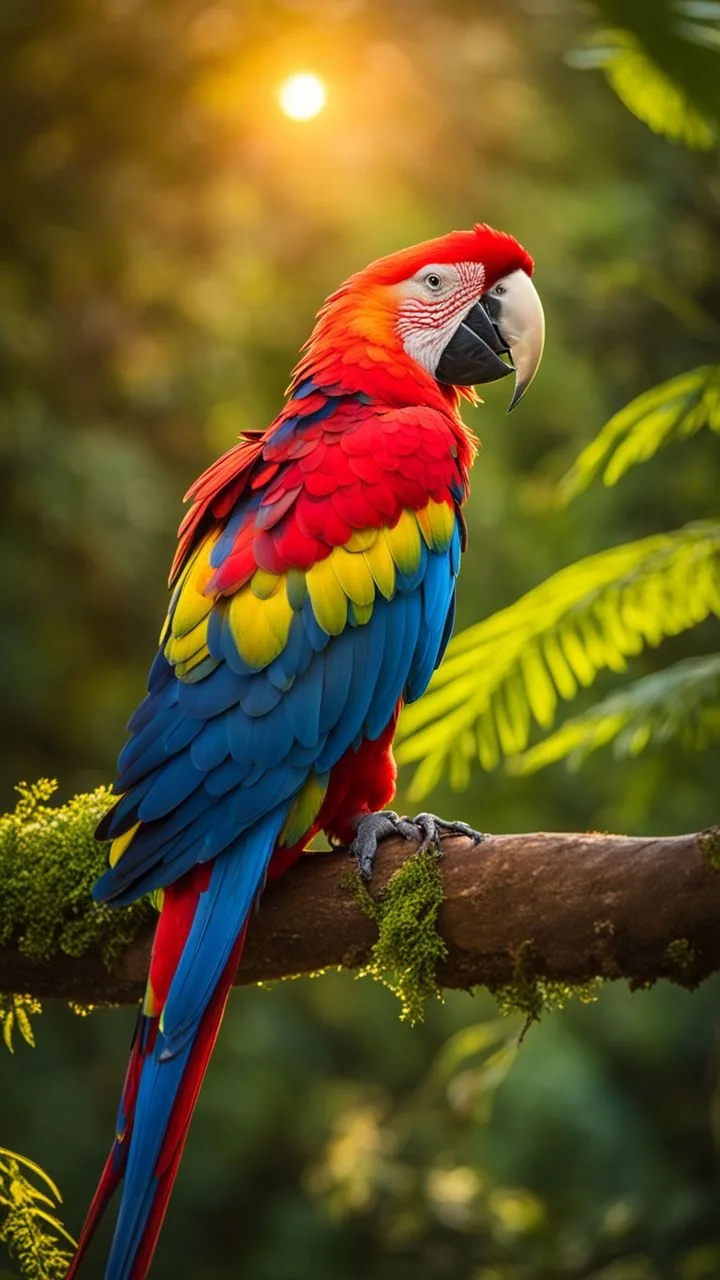
By following these steps, you can create an inviting feeding station that cardinals will visit regularly, offering you countless opportunities to enjoy their vibrant presence. The image below captures the charm of Northern Cardinals.
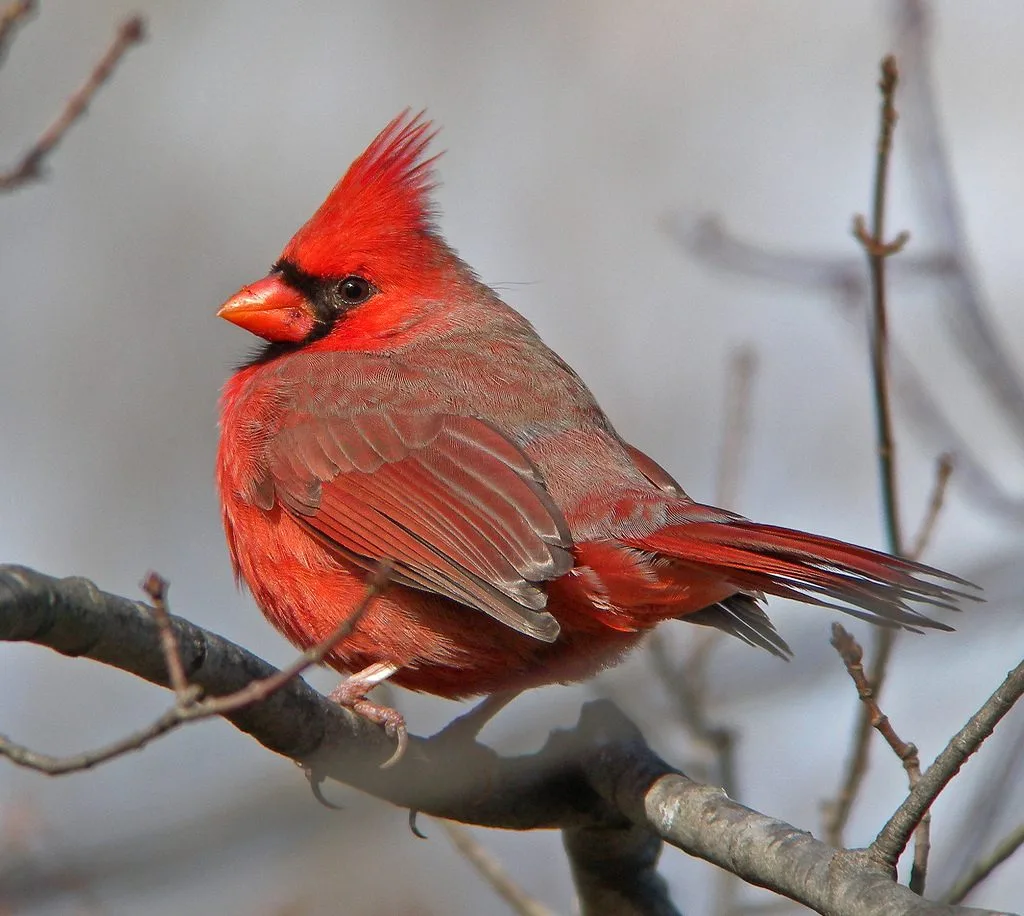
Image source: Bing (Web (fair-use with source credit))
When to Seek Expert Advice on Bird Diet
While understanding the general diet of Northern Cardinals is straightforward, there are situations where consulting an expert becomes necessary. If you observe unusual behavior or concerning physical signs in the birds visiting your feeders, it's wise to seek professional guidance. Bird health is complex, and sometimes problems require specialized knowledge.
You should consider seeking expert advice if you notice:
- Signs of illness or injury: This could include lethargy, ruffled feathers that aren't smoothed down, visible wounds, or difficulty flying.
- Abnormal droppings: Unusual colors, consistency, or frequency of droppings can indicate digestive issues.
- Crowding or aggressive behavior at feeders: While competition is normal, extreme aggression might signal a shortage of food sources or a need for more feeding stations.
- Persistent lack of visitors: If cardinals used to visit but have stopped entirely, it might suggest a change in their environment or a problem with your feeding setup that you haven't identified.
Experts like ornithologists, wildlife rehabilitators, or avian veterinarians can diagnose issues and recommend appropriate solutions. They may also offer advice on creating a more balanced habitat that supports bird health beyond just feeders. Resources like the U.S.
Fish and Wildlife Service offer guidance on wildlife health and conservation.
Frequently Asked Questions About Cardinal Diets
What is the most important food for Northern Cardinals?
The most important food for Northern Cardinals is black oil sunflower seeds, as they are highly nutritious and easy for cardinals to crack open with their strong beaks.
Can I feed cardinals bread crumbs?
No, you should not feed cardinals bread crumbs. Bread offers very little nutritional value and can fill their stomachs without providing essential nutrients, potentially leading to malnutrition.
How do cardinals eat insects?
Cardinals actively forage for insects by hopping on the ground or meticulously searching through leaves and branches to spot and catch prey like grasshoppers, beetles, and caterpillars.
Is it okay to feed cardinals peanuts?
Yes, unsalted peanuts, either whole or chopped, can be a good addition to a cardinal's diet, especially in feeders. They are a good source of protein and fat.
Do cardinals eat seeds from my garden?
Yes, cardinals will readily eat seeds from various plants found in gardens and natural landscapes, such as foxtail, ragweed, and pokeweed.