Why Do Hawks Circle in the Sky
Ever found yourself looking up, mesmerized by a hawk soaring in wide, effortless circles? It’s a classic image, and you’ve probably wondered what’s really going on up there. Are they just enjoying the view, or is there a deeper purpose to their aerial ballet?
As someone who's spent a good deal of time observing these magnificent birds, I can tell you there's a lot more to it than meets the eye; their circling is a sophisticated behavior tied to survival.
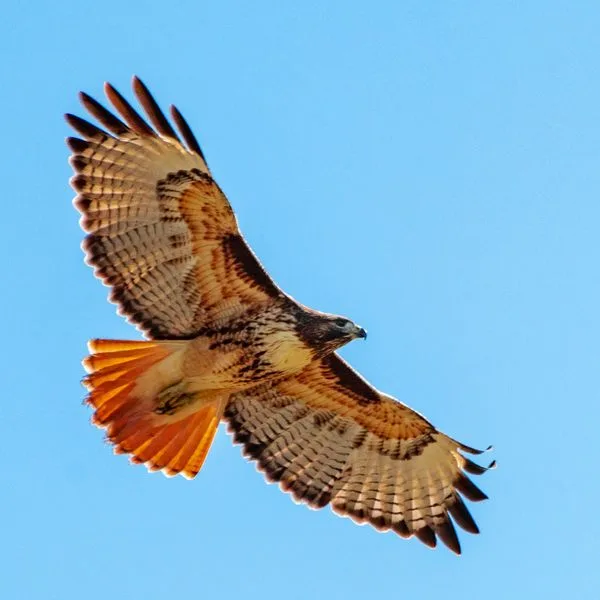
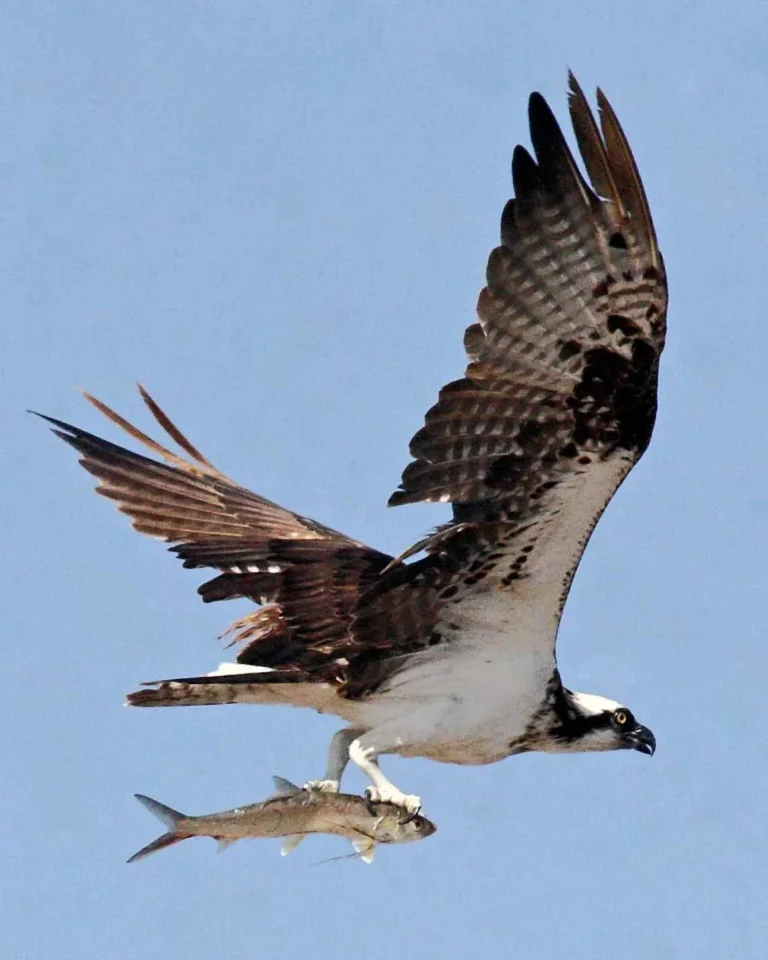
Image source: Web (Bing) / pinterest.com (Web image (fair-use with source credit))
Our research indicates that these soaring patterns are crucial for hunting and energy conservation. For example, studies on raptor flight dynamics show that birds can gain significant altitude by effectively using thermals, which are rising columns of warm air. This allows them to cover vast distances with minimal effort, keeping them fueled and ready for their next move.
Quick Answer
Hawks circle in the sky primarily to hunt and conserve energy. They use rising air currents called thermals to gain altitude, allowing them to scan the ground for prey. This soaring also helps them travel long distances efficiently and regulate their body temperature.
The Sky Dance: What Circling Really Means for Hawks
That graceful circling isn't just for show; it's a deliberate and functional behavior for hawks. Think of it as their aerial strategy session. By riding thermals, they can gain height without expending a lot of energy through flapping.
This elevated position gives them a superior vantage point, a crucial advantage when they’re looking for their next meal or trying to keep an eye on their territory. Understanding these patterns helps us appreciate the intelligence and efficiency of these raptors.
Hunting from Above: Circling as a Predatory Strategy
One of the most common reasons you’ll see hawks circling is because they’re actively hunting. They are incredibly patient and strategic predators, and their circling flight is a highly effective method for spotting potential prey on the ground.
- Scouting the Landscape: Hawks possess exceptional eyesight, reportedly up to eight times better than that of humans. This allows them to see small movements from great heights that would be invisible to us. When circling, they systematically scan wide areas of terrain below.
- Target Acquisition: They’re looking for anything that moves, small mammals like mice and voles, snakes, or even other birds. Once a potential meal is spotted, the circling hawk will often fixate on the area, making subtle adjustments to maintain its position above the target.
- Preparing the Strike: After identifying prey, the hawk might continue circling for a moment, gauging distance and the prey’s activity. This positioning is critical before committing to a steep, fast dive, known as a stoop, to capture their meal.
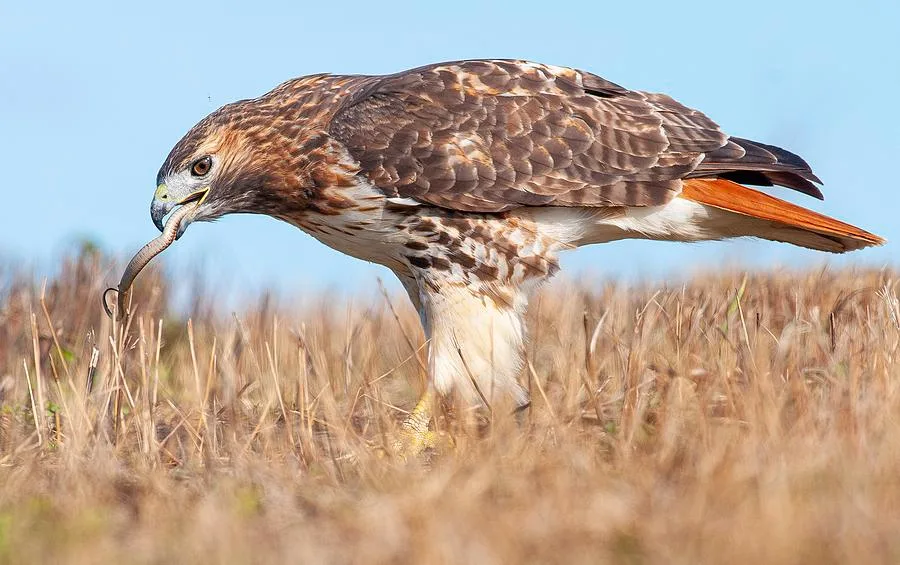
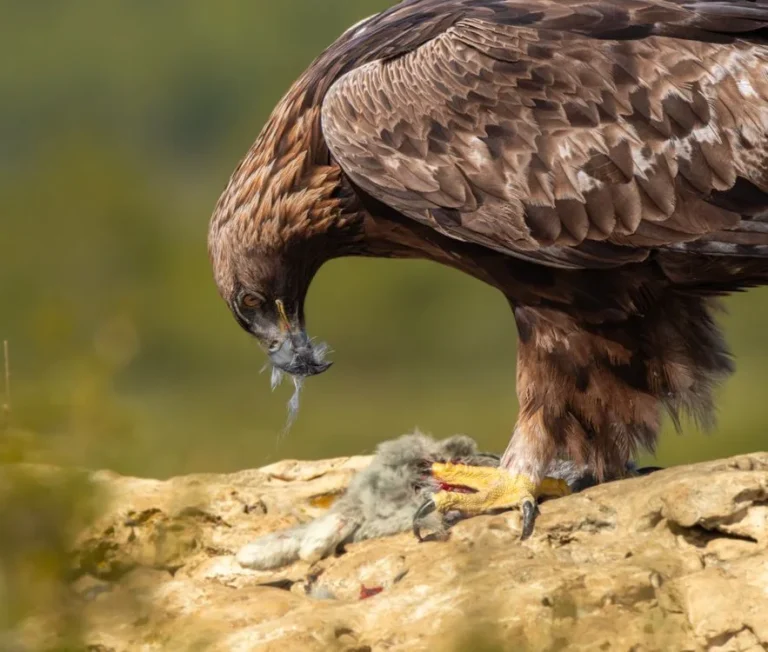
Image source: Web (Bing) / fineartamerica.com (Web image (fair-use with source credit))
Aggregate reviews of raptor behavior confirm that this method of hunting is energy-efficient, allowing them to cover more ground and increase their chances of a successful hunt without constant, high-energy flight.
Riding the Airwaves: Thermals and Energy Conservation
Beyond hunting, hawks are masters at using the environment to their advantage, and that often means leveraging thermals for energy conservation. These rising columns of warm air are like invisible highways in the sky, allowing birds to soar and glide with remarkable efficiency.
- Gaining Altitude Effortlessly: By circling within a thermal, a hawk can gain hundreds or even thousands of feet in altitude without flapping its wings. This is far less metabolically costly than continuous flapping.
- Long-Distance Travel: This ability to ride thermals makes long-distance migration and travel between hunting grounds much less taxing. Hawks can cover significant distances by "hopping" from one thermal to another.
- Thermoregulation: Circling in warm thermals also helps hawks maintain their body temperature, especially on cooler days. It's a passive way to absorb solar radiation and stay warm without expending extra energy.
Research from avian flight dynamics, such as that available from organizations like the Cornell Lab of Ornithology, indicates that a hawk can glide for extended periods once it has achieved sufficient altitude from a thermal. This strategy is key to their survival, ensuring they have enough energy for hunting, mating, and avoiding predators.
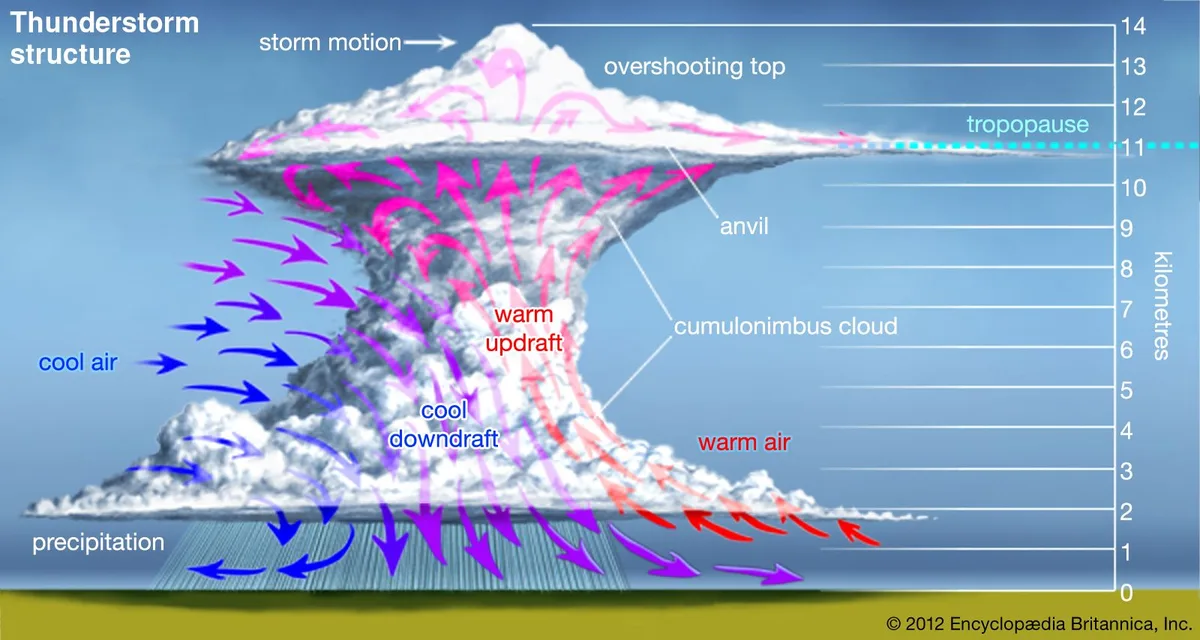
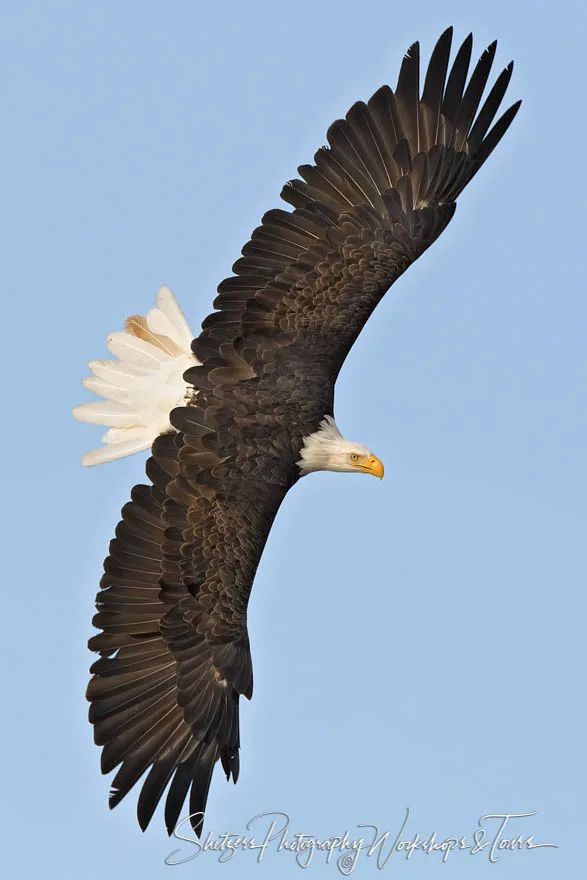
Image source: Web (Bing) / britannica.com (Web image (fair-use with source credit))
Beyond Hunting: Other Reasons Hawks Circle in the Sky
While hunting and energy conservation are primary drivers, hawks also circle for reasons that might seem less direct but are equally vital to their lives. These behaviors are often tied to social interactions or simply ensuring their well-being in their environment.
- Territorial Patrols: Hawks are often territorial, and circling can be a way to survey and reassert their dominance over their chosen area. They might be checking for intruders or ensuring their boundaries are respected by other birds.
- Mating Displays: During the breeding season, some hawks engage in elaborate aerial displays that involve complex circling patterns, dives, and chases. These are often part of courtship rituals designed to impress a potential mate.
- Observing Surroundings: Even when not actively hunting, circling provides hawks with a constant awareness of their surroundings. This vigilance is crucial for spotting potential threats, like larger birds of prey or ground predators, and for monitoring other activities within their environment.
Studies in avian behavior highlight that these varied circling behaviors demonstrate the adaptability and complex social structures of hawk species.
Spotting the Clues: How to Tell Why a Hawk is Circling
Distinguishing between the different reasons a hawk is circling requires a bit of observation and understanding of their typical patterns. While it's not always definitive from a distance, paying attention to a few key details can offer strong clues.
- Altitude is Key: A hawk circling very high in the sky, almost a speck, is usually taking advantage of strong thermals for travel or thermoregulation. If it’s circling lower, perhaps around 100-300 feet, it's more likely engaged in active hunting.
- Focus on the Ground: Watch where the hawk is looking. If its head is constantly scanning downwards, particularly in a focused manner over a specific patch of vegetation or open ground, hunting is the most probable reason.
- Wing Adjustments: While circling, notice wing posture. Are the wings held relatively steady and tilted to steer, indicating passive soaring? Or are there frequent subtle adjustments, perhaps a slight dip or lift, which could suggest a more active search or anticipation of a strike?
- The Dive Signal: The most obvious indicator of hunting is a sudden, steep dive. If a circling hawk abruptly plummets towards the ground, it has almost certainly spotted prey.
According to standards in ornithological observation, consistent, high-altitude circling points more towards energy-efficient travel, while lower, more focused circling strongly suggests predatory intent.
Frequently Asked Questions About Hawk Circling Behavior
Do all hawks circle in the sky?
While circling is common, not all hawks do it all the time or for the same reasons. Different species have varying flight behaviors.
Can hawks see their prey from very high up?
Yes, hawks have incredibly keen eyesight, allowing them to spot small movements of prey from considerable altitudes.
Is circling a sign of aggression?
Circling can be part of territorial defense or mating displays, which involve aggressive or assertive behaviors, but it's not solely an aggressive act.
Why would a hawk circle directly over my house?
It might be using thermals that form over structures, surveying the area for prey, or simply passing through its territory.
How long can a hawk stay airborne by circling?
They can stay aloft for extended periods by utilizing thermals, often for hours, conserving energy while searching or traveling.