Which Rabbit Breeds Are Best for Indoor Living?
Deciding which rabbit breeds are best for indoor living means looking beyond just cuteness. You need a bunny that fits your lifestyle and home environment, which can be a challenge if you're unsure what to look for. Many potential owners worry about noise, mess, and the general suitability of rabbits for apartment life.
Our research focuses on breeds known for their calm temperaments and adaptability to indoor settings. For instance, the American Rabbit Breeders Association (ARBA) recognizes over 50 breeds, but only a handful consistently exhibit the traits that make them excellent house pets. Let's dive into what makes a rabbit a good indoor companion.
Quick Answer
Holland Lops and Mini Rex rabbits are excellent choices for indoor living due to their calm temperaments and manageable size. These breeds generally adapt well to indoor environments and are less prone to destructive behaviors when properly cared for. While other breeds can also thrive indoors, these offer a solid starting point for those seeking a quiet, affectionate, and relatively low-maintenance companion.
Understanding Indoor Rabbit Breeds
When you're thinking about bringing a rabbit into your home, it's easy to get caught up in just how adorable they are. But to make sure it's a happy and healthy situation for both you and the bunny, we need to consider a few key things about different breeds. Not all rabbits are created equal when it comes to living inside a house.
Some breeds have specific needs or temperaments that might make them a better fit for an indoor lifestyle than others.
The core of this decision comes down to understanding what makes a rabbit thrive indoors. It’s not just about their size, but also their energy levels, their willingness to be litter trained, and how much grooming they’ll require. Research indicates that breeds with naturally calmer dispositions and a lower tendency towards excessive digging or chewing often fare best as house rabbits.
We'll explore these traits in more detail.
Key Traits for Happy House Rabbits
Choosing the right rabbit breed for your home involves looking at a few crucial characteristics. These aren't just general traits; they directly impact how well a rabbit will settle into an indoor environment and how easy they'll be to care for. Think of these as the essential ingredients for a happy house rabbit.
Temperament and Personality
Temperament is probably the biggest factor when picking an indoor rabbit. You want a bunny that's generally calm, friendly, and enjoys interacting with its humans. Breeds known for being docile and less prone to sudden outbursts or aggression tend to be more suitable for indoor living.
This doesn't mean they won't have their playful moments, but their overall disposition is more laid-back.
For example, breeds like the Holland Lop are frequently cited for their gentle nature and affectionate personalities. They often enjoy being petted and can form strong bonds with their owners. Aggressive tendencies or extreme skittishness can be challenging in a home setting, potentially leading to biting or a rabbit that constantly hides.
Grooming and Shedding
Let's be honest, rabbits shed, and some shed a lot more than others. If you're sensitive to pet dander or just prefer a tidier home, breed grooming needs are a significant consideration. Some breeds have short, low-maintenance coats, while others require regular brushing to manage shedding and prevent matting.
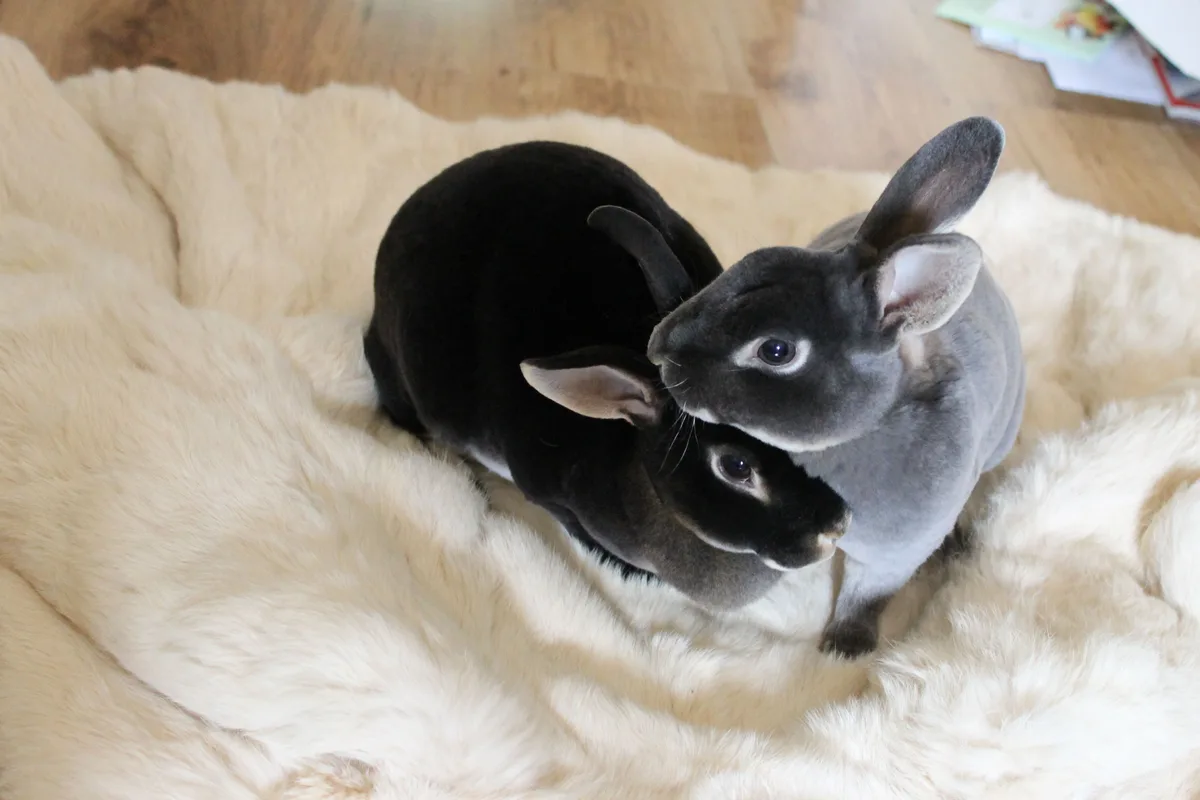
Breeds like the Rex rabbit have a unique, plush coat that, while dense, often sheds less intensely than some long-haired varieties. On the other hand, breeds with very long fur, such as the Angora, require daily grooming to prevent mats and keep their coat healthy. This intensive grooming commitment might not be ideal for everyone looking for an easier indoor pet.
Regular brushing, even for short-haired breeds, helps reduce the amount of fur around your house and keeps your rabbit's coat in good condition. This task is a crucial part of daily care routine for any rabbit owner.
Size and Space Needs
The size of a rabbit breed directly influences the space it needs to live comfortably indoors. A larger rabbit will naturally require more room to move around, stretch out, and play. While many people think of rabbits as small pets that can live in tiny cages, this is a misconception.
Even small breeds need ample space.
According to the House Rabbit Society, a good rule of thumb is that a rabbit needs at least 24 square feet of living space, and this should be a mix of their primary habitat and exercise area. For larger breeds, this requirement increases significantly. For example, a Flemish Giant, while often docile, is a very large rabbit and would need a much more expansive setup than a miniature breed.
If you have limited space, opting for a miniature or small breed is generally more practical.
Litter Box Habits
One of the most appealing aspects of keeping rabbits indoors is their potential for litter box training. Like cats, rabbits can learn to use a designated litter box, which significantly simplifies cleaning and odor control. However, not all breeds are equally inclined to be trained.
Our research indicates that most rabbit breeds can be litter trained with patience and consistency. Some breeds, however, seem to pick it up more readily. This aptitude is often linked to their inherent intelligence and desire to keep their living space clean.
Breeds that are naturally tidy and less prone to territorial marking are generally easier to train. Understanding how to litter train a rabbit is key to a successful indoor experience.
The Calm and Cuddly Choices
When you picture a perfect indoor rabbit companion, you might imagine a snuggly friend who enjoys lounging and gentle interaction. Several breeds fit this bill beautifully, prioritizing a calm demeanor and a strong inclination for affection. These bunnies often thrive in a domestic setting where they receive consistent attention and a predictable environment.
- Holland Lop: These are perhaps one of the most popular choices for indoor pets, and for good reason. They are a small breed, typically weighing between 2-4 pounds. Their most distinctive feature is their lop ears, which hang down, giving them a perpetually sweet expression. Holland Lops are known for being docile, friendly, and generally easy to handle, making them great for first-time owners or families. They are also quite adept at litter training.
- Mini Rex: Another fantastic option is the Mini Rex. These rabbits are known for their incredibly soft, velvety fur, which is a result of their unique gene. They are slightly larger than Holland Lops, usually weighing between 3.5-4.5 pounds. Mini Rex rabbits are typically very mellow and enjoy being around people. Their calm nature means they are less likely to become stressed by indoor activity and are good candidates for house rabbits. Their grooming needs are moderate, with regular brushing recommended to maintain their plush coat.
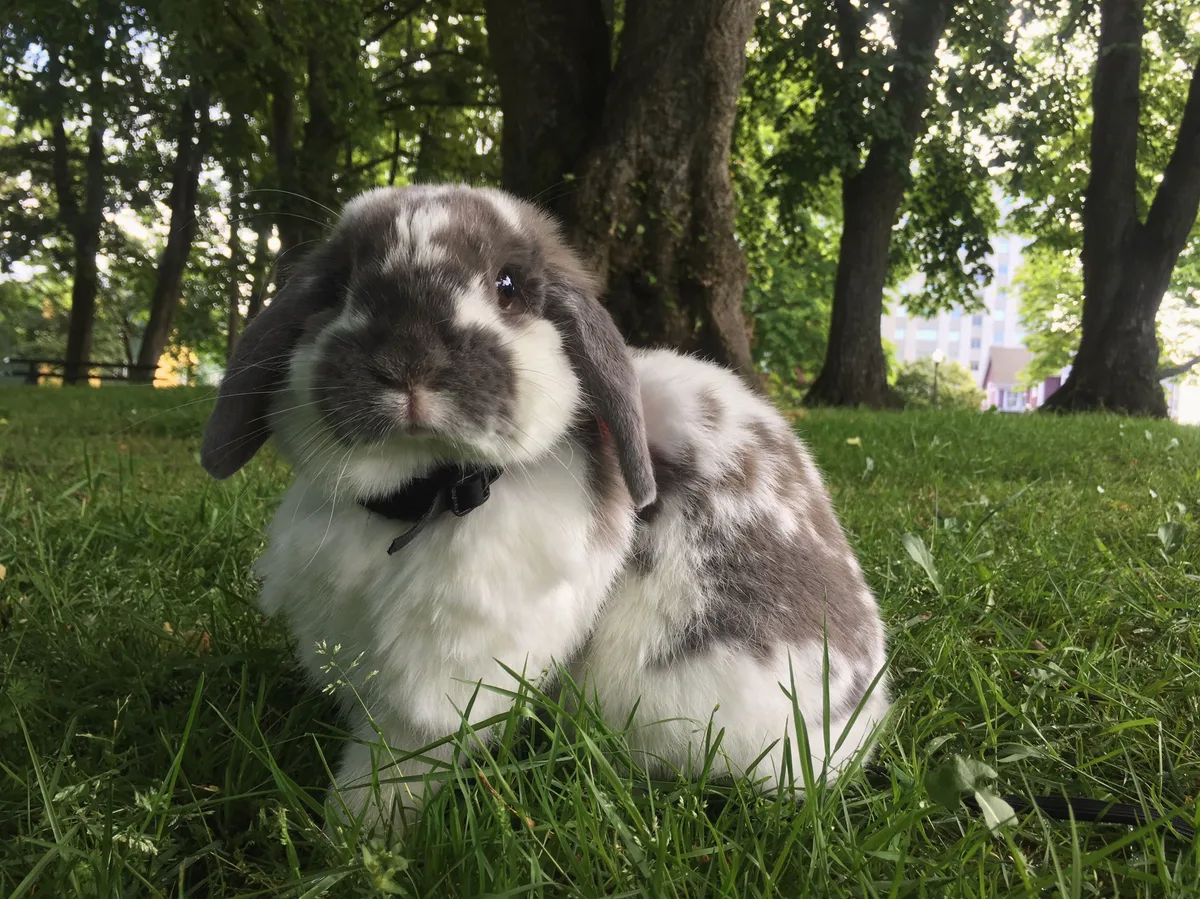
These breeds offer a wonderful balance of manageable size, pleasant temperament, and a natural inclination towards being clean. They are generally less demanding in terms of space and exercise compared to larger or more energetic breeds, making them a solid choice for many indoor living situations. If you're looking for a rabbit that seems to enjoy quiet companionship and a cozy spot on the sofa, these breeds are definitely worth considering.
They often develop a strong bond with their owners, showing their affection through gentle nudges and a desire to be near you.
The Gentle Giants
While many people associate indoor pets with small creatures, some larger breeds can also make wonderful house rabbits, provided you have the space and are prepared for their unique needs. The key here is "gentle giants", these are rabbits that, despite their size, possess calm and docile temperaments. It's crucial to remember that a larger rabbit requires a proportionally larger living space and a more substantial diet.
- Flemish Giant: This breed is renowned for its impressive size, often weighing 15 pounds or more. Despite their imposing stature, Flemish Giants are typically known for their very gentle and docile nature. They are often described as "gentle giants" because they are rarely aggressive and can be quite affectionate. They tend to be less destructive than some smaller, more hyperactive breeds.
However, their size means they need significant space. A cage or enclosure for a Flemish Giant must be considerably larger than for a small breed, and they benefit greatly from ample supervised free-roam time in a rabbit-proofed area. Their dietary needs are also higher, meaning the cost to own a rabbit might be greater.
Owners considering this breed need to be prepared for the commitment in terms of space, food, and cleaning. Their ears, while not lop-eared, are still prominent and require some attention, though not typically as intensive as long-haired breeds.
It's important to reiterate that bringing a large breed like a Flemish Giant indoors is a significant commitment. Their sheer size means any mischief can be more impactful, and their welfare depends on providing adequate room to move, play, and rest comfortably. If you have the room and are ready for a larger furry friend, a Flemish Giant can be an incredibly rewarding companion.
The Active Companions
Not all indoor rabbits are content to simply lounge around; some have a zest for life and a playful energy that can be incredibly entertaining. These active breeds still make excellent house pets, but they require owners who can provide them with plenty of stimulation, exercise, and opportunities to explore. If you're looking for a rabbit that will actively engage with you and your home (safely, of course!), consider these energetic options.
- Dutch: The Dutch rabbit is easily recognizable by its distinct color pattern, often featuring a white "blazer" on its face and front legs, with the rest of its body being black, chocolate, blue, or gray. They are considered a medium-sized rabbit, typically weighing between 4-5.5 pounds. Dutch rabbits are known for being intelligent, curious, and active. They can be very playful and enjoy interacting with their environment and their owners. Their trainability is also a plus; they can often learn tricks and respond to their names.
- English Spot: Another breed that embodies an active and engaging personality is the English Spot. These rabbits are medium-sized, usually weighing 4-5 pounds, and are characterized by their spotted coat pattern. They are known for being lively, playful, and intelligent. English Spots tend to be curious and enjoy exploring. While they need plenty of exercise, they can also be quite social and bond well with their families.
For these breeds, ensuring your home is thoroughly rabbit-proofed is even more critical. They will be more inclined to explore every nook and cranny, potentially chewing on wires or furniture if not properly managed. Providing toys, tunnels, and opportunities for supervised play sessions in a safe, bunny-proofed area is essential for their well-being.
Their trainability means you can teach them to use a litter box effectively and even engage in simple training exercises, which taps into their intelligence and keeps them mentally stimulated. Understanding how rabbits communicate with each other can also help you better understand their energetic behaviors.
Making Your Home Rabbit-Ready
Bringing any rabbit into your home, especially for the first time, means preparing your space. Rabbits are curious by nature and have specific needs that must be met for them to feel safe and comfortable indoors. This preparation isn't just about setting up a cage; it involves creating an environment where they can thrive, explore, and stay safe from potential hazards.
Rabbit-Proofing Essentials
This is arguably the most important step before your new bunny even arrives. Rabbits love to chew and dig, and household items can be incredibly tempting. Wires are a major hazard, as chewing through electrical cords can be fatal.
They can also gnaw on furniture, baseboards, carpets, and anything else they can get their teeth on.
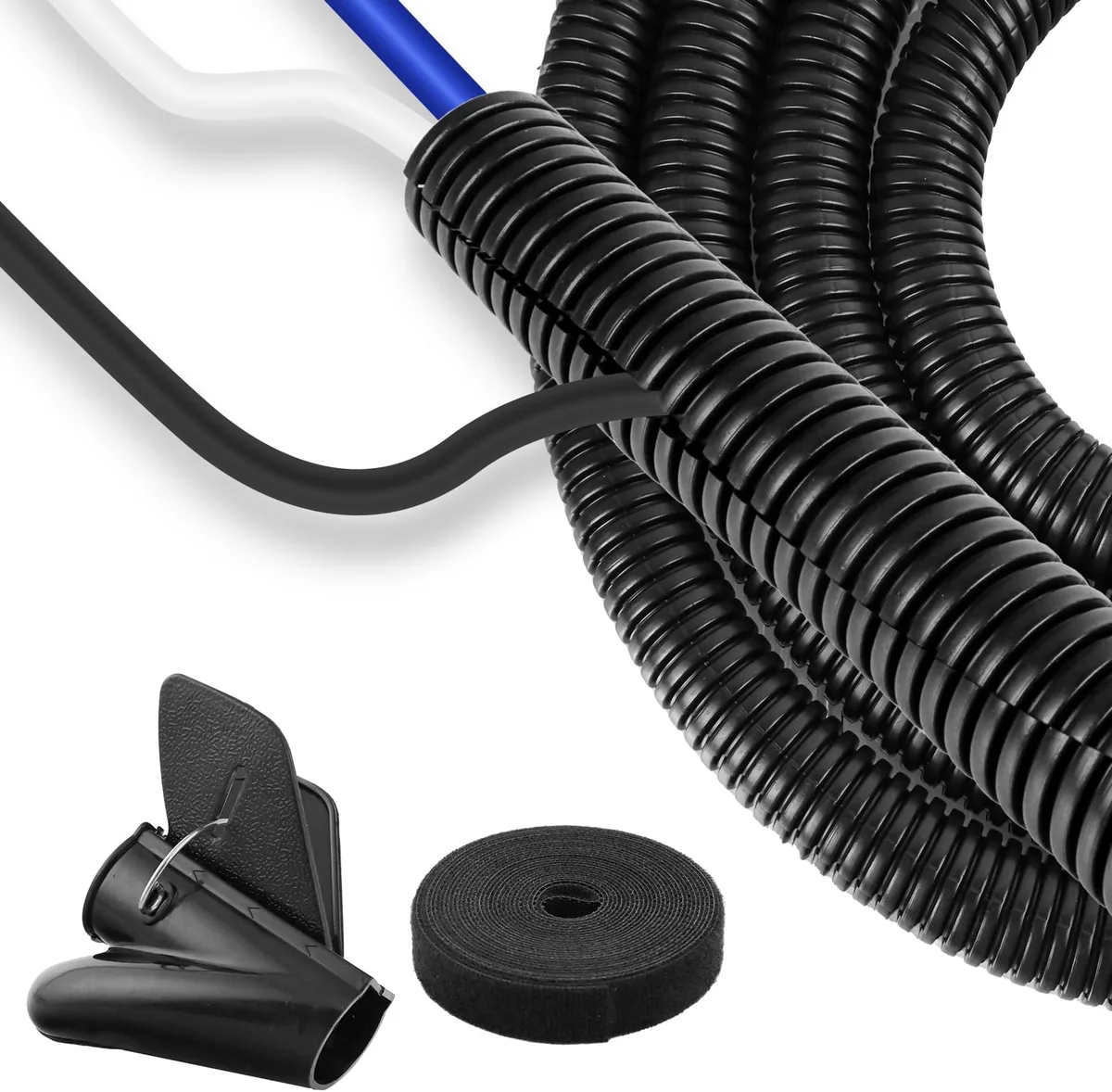
To rabbit-proof effectively, you need to:
- Cover all electrical cords: Use cord protectors, conduit, or thick plastic tubing. You can also block access to areas where cords are located.
- Protect furniture and baseboards: Use chew guards, plastic sheeting, or wooden barriers. Some owners also use cardboard to create temporary barriers.
- Remove toxic plants: Many common houseplants are poisonous to rabbits. Research any plants in your home and remove those that are toxic.
- Secure small objects: Keep anything small that could be a choking hazard or is tempting to chew out of reach.
- Block off unsafe areas: Use baby gates or playpens to restrict access to rooms or areas you haven't been able to fully rabbit-proof.
This process requires thoroughness. Get down on your hands and knees to see the world from a rabbit's perspective and identify potential dangers. Safety is paramount for any indoor rabbit.
Habitat Setup: Cage vs. Free-Roam
When it comes to where your rabbit will live, there are a few options, but the trend is moving away from traditional cages towards more spacious, free-roam or exercise pen setups. A small cage often doesn't provide enough room for a rabbit to truly express its natural behaviors.
- Traditional Cages: While some cages are marketed for rabbits, most are too small. A cage should be seen as a safe "home base" rather than a full-time residence. If you use a cage, ensure it's large enough for the rabbit to stand up on its hind legs without its ears touching the top, take at least three hops across, and have separate areas for sleeping, eating, and a litter box. The House Rabbit Society recommends a minimum enclosure size of 24 square feet.
- Exercise Pens (X-Pens): These are modular panels that can be configured to create a larger, more flexible living space. They offer more room than most cages and can be easily rearranged or expanded. X-pens are a popular choice for owners who want to give their rabbits more freedom within a controlled area.
- Full Free-Roam: With thorough rabbit-proofing, many indoor rabbits can have access to an entire room or even the whole house. This offers the most freedom and enrichment, allowing rabbits to explore, play, and exercise naturally. This option requires the most diligence in terms of safety and supervision.
Regardless of the setup, a rabbit's habitat should include a comfortable resting place, fresh hay available at all times, a water source (bottle or bowl), and a litter box. Litter training is essential for any of these setups to maintain cleanliness. For those considering a rabbit, understanding how big should a rabbit cage be is a vital first step.
Common Rabbit Challenges and How to Solve Them
Even with the best breed choice and a well-prepared home, owning an indoor rabbit comes with its unique set of challenges. Understanding these potential issues upfront and knowing how to address them is key to a harmonious living situation. It's not about avoiding problems entirely, but about being prepared and equipped to handle them effectively.
Destructive Behaviors
Rabbits have natural instincts to chew and dig, which can lead to destructive behaviors if not redirected. Wires, furniture legs, carpets, and even walls can become targets. This is why thorough rabbit-proofing is non-negotiable.
If you notice your rabbit starting to chew on something it shouldn't, redirect its attention immediately.
Offer appropriate chew toys, such as untreated willow balls, cardboard tubes, or safe wooden blocks. For digging instincts, provide a digging box filled with shredded paper, hay, or soil. Consistency is key; if you consistently redirect unwanted behavior to acceptable alternatives, your rabbit will learn what is and isn't okay to chew or dig.
Understanding how rabbits communicate with each other can also help you interpret when they might be bored or stressed, leading to chewing.
Odor and Cleaning
While rabbits are generally clean animals and can be litter trained, odor can still become an issue if their habitat isn't maintained. Regular cleaning is essential. This includes daily spot-cleaning of the litter box and weekly full clean-outs.
The type of litter you use also matters. For litter boxes, it's best to use paper-based bedding or wood pellets specifically designed for small animals. Avoid clay-based cat litters, as they can be dusty and harmful if ingested by your rabbit.
Spaying or neutering rabbits significantly reduces territorial marking behaviors, which are a common source of odor. Daily removal of soiled litter and bedding, along with a weekly deep clean of the entire enclosure, will keep your home smelling fresh. For more detailed guidance, see our advice on how often should you clean a rabbit cage.
Frequently Asked Questions About Indoor Rabbits
How long does it take to litter train a rabbit?
Litter training a rabbit can take anywhere from a few days to a few weeks. Patience and consistency are crucial. Start by placing a litter box in the corner of their enclosure where they naturally tend to go.
Add a bit of their old litter to the new box to transfer their scent.
Can indoor rabbits be left alone all day?
Most rabbits can be left alone for about 8-10 hours if they have access to food, water, and a safe, rabbit-proofed space. However, they are social animals and benefit from interaction. If you're gone for extended periods regularly, consider getting a bonded pair or ensuring they have plenty of toys and enrichment to prevent boredom.
What are the signs of a sick rabbit?
Signs of a sick rabbit include lethargy, loss of appetite, changes in droppings (size, consistency, or absence), nasal or eye discharge, hunched posture, grinding teeth loudly (a sign of pain), and difficulty breathing. If you notice any of these, contact a rabbit-savvy veterinarian immediately. Rabbits hide illness well, so any change in behavior is significant.
How much space does an indoor rabbit really need?
A rabbit needs ample space to hop, stretch, and play. A minimum enclosure size of 24 square feet is recommended, often achieved with an exercise pen. This should be a dedicated area, not just a small cage, and ideally, they should have supervised free-roam time in a larger, rabbit-proofed space daily.
Do indoor rabbits need toys?
Absolutely. Toys provide mental stimulation and allow rabbits to express natural behaviors like chewing and digging. Offer a variety of safe toys, including cardboard tubes, untreated willow balls, wooden blocks, and puzzle feeders.
Rotating toys can keep your rabbit engaged and prevent boredom.
Choosing Your Perfect Indoor Rabbit Companion
Selecting the right rabbit breed for indoor living is all about matching their needs with your lifestyle. Breeds like the Holland Lop and Mini Rex stand out for their generally calm temperaments and manageable size, making them ideal for many homes. However, remember that every rabbit is an individual, regardless of breed.
Consider the space you can provide, the time you have for grooming and interaction, and your tolerance for potential mess. Thorough rabbit-proofing and consistent care are vital for any indoor rabbit's well-being. By understanding the key traits and potential challenges, you can make an informed decision that leads to a happy, healthy, and long-lasting relationship with your furry companion.