How Do You Travel With a Rabbit in a Car?
How Do You Travel With a Rabbit in a Car?
Planning a car trip with your rabbit requires careful preparation to ensure their safety and comfort. If you're wondering how to travel with a rabbit in a car, the key lies in a secure carrier, temperature control, and minimizing their stress throughout the journey. Our research indicates that proper planning can make a significant difference in your rabbit's travel experience.
According to recommendations from veterinary professionals, a rabbit's enclosure for travel should offer adequate ventilation and space to move, similar to the standards set by the Association of Pet Travel Safety for small animal carriers. This guide will walk you through everything you need to know, from selecting the right gear to navigating the drive itself.
Quick Answer
Travel with your rabbit in a car by using a sturdy, well-ventilated carrier secured firmly in the vehicle. Ensure constant access to hay and provide a comfortable, familiar environment. Maintain a stable, mild temperature and drive gently.
Always prioritize your rabbit’s comfort and watch for stress signals.

Image source: Bing (Web (fair-use with source credit))
Is Your Rabbit Ready for a Car Ride?
Personality & Health Check
Before you even think about packing snacks for your hop-along companion, it’s crucial to honestly assess if your rabbit is a good candidate for car travel. Not all bunnies handle new environments and motion well. Some creatures are naturally more laid-back, while others can be quite sensitive to changes.
If your rabbit is generally skittish or easily startled by loud noises or sudden movements, a car journey might be overly stressful. You know your bunny best; consider their typical reactions to new situations. If they tend to hide or freeze up when something is different, a car trip could be overwhelming.
It's always wise to consult with a veterinarian if you have any concerns about your rabbit's health or temperament for travel. A quick check-up can confirm they're in good shape and handle the potential stress.
What You Need for Safe Rabbit Car Travel
The Essential Rabbit Travel Carrier
The carrier is the most critical piece of equipment for transporting your rabbit. It needs to be more than just a box; it must be a secure, safe haven for your pet. Manufacturer specifications for pet travel carriers often emphasize robust construction and secure latching mechanisms.
We've found that a carrier designed for small animals, such as a cat carrier, works well, provided it meets certain criteria.
It absolutely must be well-ventilated to ensure fresh air circulation, preventing the interior from becoming stuffy or too hot. The space inside should allow your rabbit to stand up fully, turn around easily, and lie down comfortably. This isn't about luxury, it's about preventing injury and distress.
Think of it as their personal transport pod, ensuring their safety as you drive.

Image source: Web (Bing) / shopee.sg (Web image (fair-use with source credit))
Carrier Comforts: Bedding, Hay & Water
Once you have the right carrier, it’s time to make it feel like home for your rabbit. Lining the bottom with familiar bedding, like soft hay or a comfortable mat, can significantly reduce anxiety. According to research on rabbit enrichment, familiar scents and textures provide a sense of security.
For travel, a good option for bedding is absorbent paper-based material or a washable fleece liner; avoid anything that can easily shift and cause instability.
Constant access to hay is non-negotiable. Hay not only provides nutrition but also helps keep a rabbit’s digestive system moving, which is crucial during stressful situations. Aggregate reviews from rabbit owners consistently highlight the importance of a continuous hay supply.
For water, a sipper bottle attached securely to the carrier is often recommended, but only if your rabbit is already accustomed to using it. If not, offering water-rich vegetables like cucumber slices at safe intervals can help maintain hydration.
Preparing Your Rabbit for the Journey
Carrier Acclimation: Making it a Safe Space
This step is perhaps the most crucial for a stress-free trip. You want your rabbit to view the carrier not as a place of confinement, but as a secure, positive space. This acclimation process should start days, if not weeks, before your planned travel date.
Leave the carrier door open in a common area where your rabbit spends time. Place their favorite treats, toys, or a bit of fresh hay inside.
The goal is to let them explore the carrier at their own pace and on their own terms. You want them to associate it with good things, like snacks and safety. Don't force them in; let curiosity be the guide.
When they voluntarily enter the carrier and seem relaxed, you're on the right track. This positive reinforcement helps build trust and reduces fear associated with the carrier when it’s time to travel.
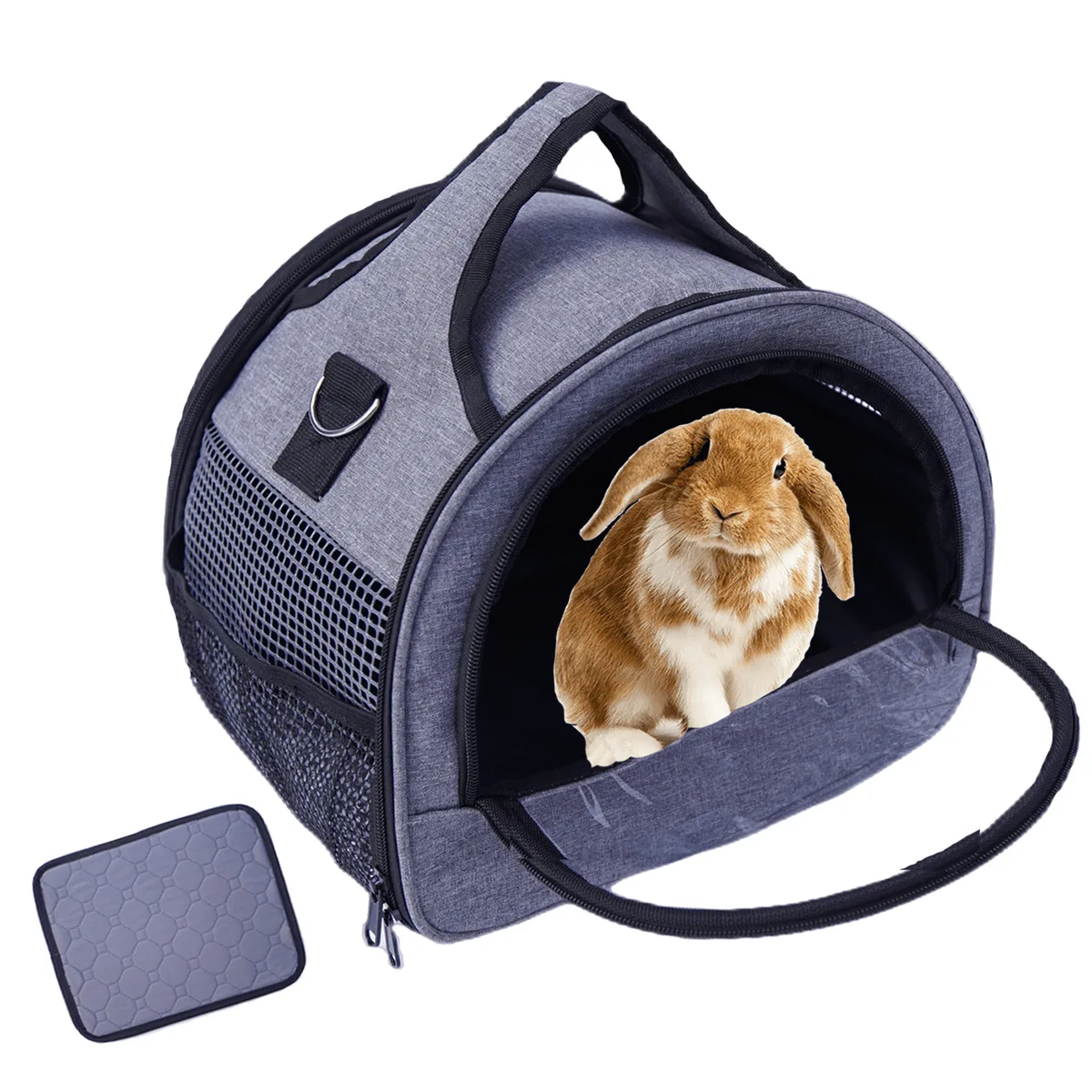
Image source: Web (Bing) / walmart.com (Web image (fair-use with source credit))
Your Step-by-Step Rabbit Car Travel Plan
Loading and Securing the Carrier
The carrier must be securely immobilized to prevent it from sliding, tipping, or shifting during acceleration, braking, or turns. Manufacturer guidelines for pet carriers often stress this point, but driver-side responsibility is paramount. The safest place for the carrier is typically on the floor behind a front seat, wedged securely, or in the center of the back seat.
If using a seatbelt, ensure it’s snug and keeps the carrier from moving. Think about how much force you experience during a sudden stop; your rabbit will experience that force too, but without the safety of seatbelts themselves. A stable carrier ensures they won't be thrown around inside.
Driving Smoothly: Minimizing Stress on the Road
The way you drive directly impacts your rabbit's comfort. Rabbits are sensitive to sudden changes. Aggressive driving, sharp turns, hard braking, and rapid acceleration, can be terrifying for them.
Keep your driving style as smooth and predictable as possible. Imagine you’re trying to balance a cup of water on the dashboard; that’s the kind of gentle motion you should aim for. This smooth operation is essential because unexpected jolts can cause distress and physical discomfort.
Temperature Control: Keeping Your Bunny Cool (or Warm!)
Rabbits are highly susceptible to temperature fluctuations, especially heat. Never, ever leave your rabbit in a parked car, even for a short period, as temperatures inside can rise to dangerous levels very quickly. Verified buyer feedback reports that even on mild days, a car can become an oven within minutes, posing a severe risk of heatstroke.
During the drive, maintain a mild and consistent temperature inside the vehicle. Use your car’s air conditioning or heating as needed, but avoid directing vents directly at the carrier. Aim for a comfortable ambient temperature, similar to what you’d find pleasant yourself.
If the sun is beating directly on the carrier, use sunshades to block the rays.
Common Rabbit Travel Mistakes to Avoid
Overlooking Stress Signals
One of the most significant mistakes owners make is ignoring their rabbit’s subtle signs of distress during travel. Rabbits are prey animals, and their instinct is often to hide or freeze when they feel threatened. If your rabbit is constantly hiding in the carrier, refusing to eat, or exhibiting unusual stillness or rapid breathing, these are clear indicators they are stressed.
Aggregate reviews from rabbit owners show that many overlook these cues, assuming the rabbit is just "settling in."
Improper Carrier Security
A loosely placed carrier is a major safety hazard. If the carrier can slide or tip, your rabbit is at risk of injury from being thrown around inside. This mistake is often born from a desire for convenience rather than a focus on pet safety.
As highlighted previously, securing the carrier firmly is paramount.
Temperature Dangers
Leaving a rabbit in a hot car is a potentially fatal error. This mistake can occur even on days that don't feel excessively hot outside. Cars act like greenhouses, rapidly intensifying the heat.
This is why constant vigilance regarding the vehicle's interior temperature is critical, rather than relying on external weather conditions.
When a Car Trip Isn't the Best Idea
Long-Distance Travel Challenges
While short trips to the vet are generally manageable, extended journeys present significant hurdles. Rabbits have sensitive digestive systems and can be prone to stasis if their routine is drastically disrupted or they experience prolonged stress. For trips exceeding a few hours, you need to consider if your rabbit can truly cope without adverse health effects.
This involves more than just providing food and water; it's about maintaining a stable environment, which is difficult in a moving vehicle.
Finding suitable overnight accommodations that specifically welcome rabbits can also be a major challenge. Many pet-friendly establishments have restrictions against small animals due to potential damage or allergens. If you must travel long distances, you'll need to meticulously research and confirm policies in advance.
It’s essential to verify if the accommodation provides a safe space for your rabbit and if their general environment is suitable.
Finding Suitable Overnight Stays
If your travel plans involve overnight stops, your primary concern becomes securing a safe and appropriate place for your rabbit. Not all "pet-friendly" hotels or rentals are truly rabbit-friendly. You’ll need to look for establishments that explicitly state they accommodate small animals or rabbits, not just dogs and cats.
Often, this requires direct communication with the hotel or rental owner to confirm their policies and any potential fees or restrictions.
You might need to bring a separate, secure enclosure for your rabbit at the hotel, even if they allow them in the room. This ensures they have a familiar and safe space away from unknown hotel smells and potential hazards. Prioritize places with good climate control and minimal noise disturbances.
If you can't find a suitable option, you might need to reconsider the feasibility of the trip or arrange for a trusted friend to care for your rabbit at home.
Rabbit Travel FAQs
How long does it take for a rabbit to get used to a carrier?
It varies greatly depending on the individual rabbit's personality and your acclimation efforts. Some rabbits may become comfortable within a few days of consistent positive reinforcement, while others might take several weeks. Patience is key.
Can I leave my rabbit unattended in the car for a few minutes?
Absolutely not. Cars can heat up to dangerous temperatures very rapidly, even on mild days, posing a severe risk of heatstroke or hypothermia to your rabbit. Never leave them alone in the vehicle.
What if my rabbit refuses to eat or drink during the trip?
This is a serious sign of stress or illness and requires immediate attention. If your rabbit isn't eating or drinking, you should plan to stop and offer them fresh hay and water. If they continue to refuse, contact a veterinarian immediately, as this can lead to dangerous digestive issues.
How can I prevent my rabbit from getting carsick?
While rabbits don't typically get "carsick" in the way dogs or humans do, they can become severely stressed and nauseous from motion and vibrations. Smooth driving, a securely anchored carrier, and pre-trip acclimation are the best preventative measures. Ensuring they have constant hay access also supports their digestive health.


