How Can You Identify a Male Rabbit?
Curious about your rabbit's gender? Figuring out if you have a buck or a doe is a common question for rabbit owners, and thankfully, it's not too complicated once you know what to look for. With a little careful observation, you'll be able to identify your rabbit's sex accurately.
The most reliable method relies on inspecting the rabbit's external anatomy. This process generally becomes clearer as the rabbit matures, with consistent differences typically observable by around 3 to 4 months of age, according to veterinary guidelines. Let's break down exactly what to check.
Quick Answer
You can identify a male rabbit by observing the external anatomy, specifically the presence of testicles and the shape of the genital opening. Males have two small bumps (testicles) near the body and a more rounded genital area. Females lack testicles and have a separate, slit-like vulva opening.
The Main Clues: What to Look For
The most dependable way to determine if your rabbit is male or female is through a direct visual inspection of their genital area. This involves gently holding your rabbit and carefully examining the underside. While it might seem a bit intimidating at first, it's a standard practice for rabbit care and becomes easier with a little experience.
Visual Cues for Male Rabbits
When examining a male rabbit, you'll be looking for a few key indicators. From underneath, the genital area tends to appear more rounded overall. The most definitive signs are the presence of the penis opening and, crucially, the testicles.

Image source: Web (Bing) / pinterest.co.kr (Web image (fair-use with source credit))
These testicles typically manifest as two distinct bumps or bulges located close to the body, just below the anus. In younger males, they might be smaller and less prominent, as they often descend and enlarge as the rabbit matures. You'll also see a smaller, round opening for the penis.
Visual Cues for Female Rabbits
Female rabbits, often called does, present a different anatomical picture from below. Their genital area typically appears more V-shaped or triangular. The key characteristic is the absence of testicles.

Image source: Web (Bing) / storage.googleapis.com (Web image (fair-use with source credit))
Instead of testicles, you'll see an anus and, a little further down, a vertical slit-like opening known as the vulva. This vulva is distinct from the anus and is the primary visual cue for identifying a female rabbit.
Visual Cues for Female Rabbits
When examining a female rabbit, you'll be looking for the absence of testicles and the distinct shape of the reproductive opening. From an underside view, the overall shape of the genital area tends to be more triangular or V-shaped compared to the more rounded appearance of males.
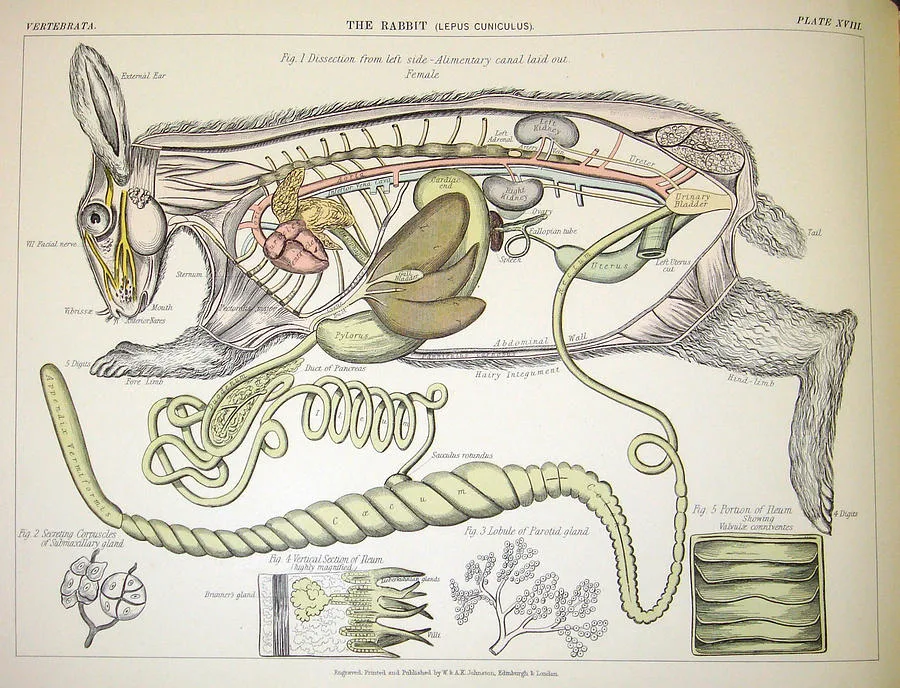
Image source: Web (Bing) / sciencephotogallery.com (Web image (fair-use with source credit))
The critical difference is the presence of a separate, vertical slit known as the vulva, situated below the anus. Unlike male rabbits, females do not have descended testicles that would appear as prominent bumps. This clear distinction is the most reliable way to differentiate sexes.
When to Check (and How to Be Gentle)
Sexing your rabbit is best done when they have reached a certain stage of maturity. Trying too early can lead to confusion due to subtle anatomical differences. Patience here pays off.
Best Age to Sex a Rabbit
For the most reliable identification, it's recommended to check your rabbit's sex when they are between 3 to 4 months old. At this age, male rabbits will typically have descended testicles that are noticeable, and the differences between male and female genital openings become more pronounced. Trying to sex a rabbit much younger than this can be challenging, as the anatomical features are not yet fully developed.
For context on rabbit development, understanding how to care for a baby rabbit can provide insight into their growth stages.
Gentle Handling Techniques for Sexing
Handling a rabbit for sexing requires a calm and gentle approach. Rabbits are prey animals and can be easily startled.
- Choose a quiet time and place: Ensure the environment is calm and free from loud noises or distractions.
- Secure your rabbit: Gently pick up your rabbit, supporting their back and hindquarters. Hold them against your body for reassurance.
- Position for inspection: You can either place the rabbit on your lap, facing away from you, and gently tilt them forward, or hold them upright.
- Gentle examination: Carefully spread the fur around the genital area to get a clear view. If your rabbit becomes stressed or struggles excessively, it's best to stop and try again later.
Things That Can Make it Tricky
While sexing rabbits is generally straightforward, a few factors can make it more challenging, potentially leading to misidentification if not accounted for.
Impact of Age on Identification
As mentioned, the most significant factor affecting ease of identification is age. Very young rabbits, particularly those under 3 months old, have underdeveloped reproductive organs. In males, the testicles may not have descended into the scrotum, appearing as small lumps or being completely retracted, making them look similar to females.
Conversely, the vulva and anus in females might be very close together and less distinct. For this reason, delaying sexing until the rabbit is closer to sexual maturity, around 3 to 4 months, is highly advisable. If you are unsure about your rabbit's age, consulting resources on how to tell the age of a rabbit can be helpful.
Breed Variations and Obesity
The variety of rabbit breeds means there can be slight differences in their overall physical appearance and the positioning of certain features. However, the fundamental anatomical structure for sexing remains consistent across breeds. More often, obesity can obscure the subtle signs.
In overweight rabbits, the fatty tissue can make it harder to distinguish the testicles in males or to clearly see the separation between the vulva and anus in females. It's important to be thorough in your examination and, if possible, compare with known examples if you have access to them. Understanding the vast array of different types of rabbit breeds can provide context, though sexing remains based on the same core anatomy.
When in Doubt, Ask a Pro
Sometimes, despite your best efforts, you might still feel uncertain about your rabbit's sex. This is completely normal, especially if you're new to rabbit care or if your rabbit is particularly uncooperative. In such situations, seeking professional help is the most sensible approach.
Recognizing When You Need Expert Help
If you've tried sexing your rabbit a few times and are still not confident in your assessment, or if the rabbit's anatomy appears unusual, don't hesitate to consult a veterinarian or an experienced rabbit breeder. They have extensive experience and can quickly and accurately determine your rabbit's sex. This is especially important if you plan on introducing a new rabbit to your existing one, as mixing sexes incorrectly can lead to unwanted litters, impacting expenses and potentially your household budget.
Resources like guides on how much it costs to own a rabbit can underscore the financial implications of unexpected litters. An expert's quick look can save you a lot of guesswork and potential future problems.
Rabbit Sexing FAQs
How long does it take to know a rabbit's sex?
It typically takes between 3 to 4 months for a rabbit's sex organs to fully develop, making it the prime time for accurate identification. Attempting to sex them earlier can be misleading due to underdeveloped features.
What if my rabbit wiggles too much for me to check?
If your rabbit is too wiggly or stressed, it's best to stop the examination and try again another time when they are more relaxed. Gentle handling and a calm environment are key. Forcing the issue can cause unnecessary anxiety for the animal.
Can I tell the sex by looking at their face or ears?
No, you cannot tell a rabbit's sex by looking at their face, ears, or general body shape. The only reliable indicators are found by directly observing their external genital anatomy. This is a consistent biological trait across all breeds.
What should I do if I think I have a male and a female, but I'm not sure?
If you are unsure about the sex of your rabbits, especially if you plan to house them together, it's highly recommended to consult a veterinarian or an experienced rabbit breeder. They can confirm the sex and advise on proper housing to prevent accidental litters.
Is it possible for my rabbit's testicles to disappear?
Male rabbits can retract their testicles into their body cavity, making them less visible or seemingly disappear. This is a normal biological function, especially when they are startled or stressed, which can temporarily complicate sex identification.


